Trump’s State of the Union Gambit: A Costly Miscalculation
Donald Trump's optimistic economic narrative faces scrutiny as critics argue it disconnects from the reality of American households, a sentiment that previously impacted election outcomes. Meanwhile, the Supreme Court's invalidation of Trump's tariffs offers a path to financial recourse for businesses and consumers, framed as a fight for both economic justice and democracy.

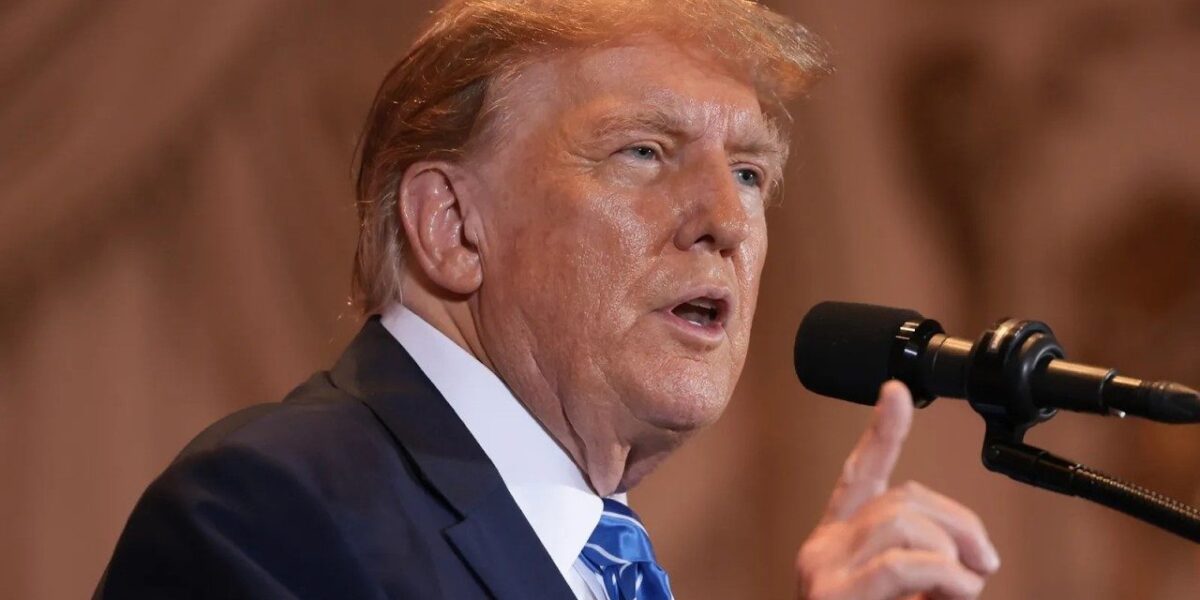
Trump’s Economic Claims Unravel Amidst Public Skepticism
During a recent State of the Union address, former President Donald Trump presented a starkly optimistic view of the American economy, asserting a narrative of unparalleled prosperity and growth. However, this portrayal appears to have walked directly into a “trap,” as critics argue it significantly disconnects from the lived economic realities of many Americans. The speech highlighted claims of a nation transformed from “dead” to the “hottest country anywhere in the world,” with Trump stating, “People are asking me, ‘Please, please, please, Mr. President, we’re winning too much. We can’t take it anymore.'” This rhetoric stands in contrast to the economic anxieties that fueled significant political shifts in recent years.
The 2024 Election Echoes: Disconnect and Discontent
The current economic messaging from Trump and his allies echoes a sentiment that proved detrimental to Democrats in the 2024 election cycle. At that time, Democratic leaders insisted on the economy’s robust health, a stance that alienated voters who felt the pinch of economic hardship. The perception that the party in power was out of touch with the struggles of ordinary Americans was a significant factor in the Republican Party’s sweep of the House, Senate, and White House. The transcript notes, “it was the fact that those Democrats seemed proud of it that was the last straw for so many Americans.” This disconnect between political messaging and public sentiment appears to be a recurring theme.
Lingering Economic Pain and Trump’s Role
Despite Trump’s claims of a golden age, the economic pain that propelled Republicans into power has not subsided; in fact, it has reportedly worsened. Critics point to Trump’s own policies, such as tariffs, as contributing factors to increased costs for essential goods like food and electronics. The transcript states, “His tariffs have raised the cost of everything from food to electronics to clothing. The one big beautiful bill gutted healthcare and food assistance, making those things more expensive.” Inflation, a major concern during the previous administration, is noted to be virtually unchanged, suggesting a lack of tangible improvement for many households. Trump’s insistence on portraying everything as “great” and himself as a “white knight” is seen by some as an attempt to “gaslight us into believing that we shouldn’t believe our own eyes.”
A Difficult Position for the Republican Party
This divergence between Trump’s pronouncements and the economic reality creates a challenging dilemma for the broader Republican party. As the midterms approach, GOP candidates face a difficult choice: either distance themselves from Trump’s often-unsubstantiated economic claims, risking his ire and that of his base, or embrace his narrative and risk appearing out of touch, mirroring the fate of Democrats in 2024. “Either way, not great options,” the analysis suggests.
Tariffs Overturned: A Legal Blow and a Path to Recourse
In a significant legal development, the Supreme Court recently invalidated Trump’s tariffs, ruling them unconstitutional. This decision, a 6-3 vote, has opened the door for individuals and businesses who paid these tariffs to seek refunds. Norm Eisen, co-founder of Democracy Defenders Action, explained that the Supreme Court “left a complete blank slate for everybody who has been wrongly assessed these tariffs that over $150 billion dollar worth of wrongly assessed tariffs to go to court and get their money back.” While the administration might not proactively issue refunds, Eisen’s organization is working with former New Jersey Attorney General Matt Platkin to help small businesses recoup these illegal payments. “These tens of thousands of dollars, in some cases hundreds of thousands of dollars that small businesses paid in tariffs are the difference between being profitable and declaring bankruptcy,” Eisen stated.
Seeking Justice for Small Businesses and Consumers
The litigation strategy aims to centralize individual claims, creating a more streamlined and effective process for businesses, particularly small ones operating on thin margins. Eisen expressed hope that this legal pressure could compel the administration to expedite the reimbursement process, avoiding prolonged and costly court battles. Beyond businesses, consumers who bore the brunt of increased prices due to tariffs are also impacted. While direct legal recourse for consumers is less clear, Eisen emphasized the importance of engaging in the “court of public opinion” by speaking out and supporting small businesses. The potential recovery of funds could indirectly benefit consumers by stabilizing prices.
Trump’s Reaction and the Broader Democratic Fight
The Supreme Court’s ruling on tariffs clearly provoked a strong reaction from Donald Trump, who reportedly held an emergency press conference and subsequently imposed new global tariffs. Eisen noted Trump’s “rampage against even the conservative justices,” highlighting the personal nature of his response. Despite this, Eisen and his allies remain undeterred, viewing the tariff case as part of a larger effort to uphold the rule of law and defend democracy. “The danger, death and destruction has been vast. But that atmosphere of impunity and fear has dissipated as people become more and more courageous,” Eisen remarked, framing the legal battles as crucial inflection points in the fight against authoritarianism.
Epstein Files and Shifting Political Landscapes
The discussion also touched upon the ongoing release of the Epstein files and their potential impact on political figures. Alex Michaelson, host of CNN’s “The Story Is,” observed that while some on the right are concerned and critical, others remain steadfastly loyal to Trump. Michaelson contended that the economy, rather than the Epstein files, remains the most significant potential problem for Trump, as it is a tangible issue affecting most Americans daily. The conversation highlighted instances where individuals mentioned in the files, like Casey Wasserman and Steve Hilton, faced public scrutiny and calls for resignation, illustrating the potent “scarlet letter” effect of such associations. However, the panel noted a perceived disparity in how such revelations are handled internationally compared to within the U.S. administration, where a lack of direct engagement has been observed.
Looking Ahead: Economic Realities and Legal Battles
As the political landscape continues to evolve, the stark contrast between Trump’s optimistic economic narrative and the everyday financial struggles of many Americans is likely to remain a central theme. The ongoing legal battles over tariffs, alongside the broader implications of the Epstein files, will undoubtedly shape public discourse and electoral strategies. The effectiveness of Trump’s communication strategy in the face of undeniable economic data, and the Republican party’s ability to navigate these complex issues, will be critical factors in the upcoming political cycles.
Source: Trump falls into TRAP with FATAL MISTAKE (YouTube)

Related Articles

Bondi’s Court Blunder Could Cost US Billions
A court filing from Pam Bondi's Department of Justice may have committed the U.S. to refunding $170 billion in tariffs. This legal promise was made during challenges to Trump-era tariffs, with the DOJ assuring the court that collected funds would be repaid if the tariffs were overturned.

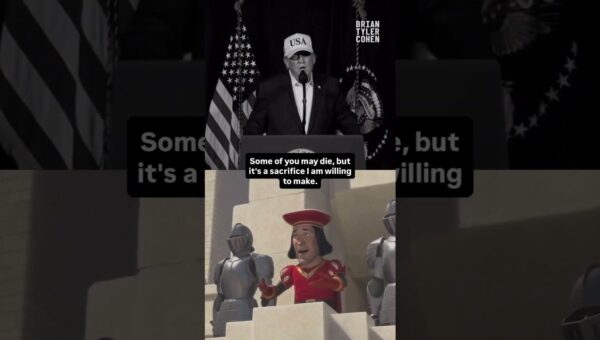
Trump’s ‘Willing Sacrifice’ Remark Sparks Outrage and Concern
President Donald Trump's recent remarks suggesting American casualties in a potential Iran conflict are "a sacrifice I am willing to make" have drawn widespread criticism. The comments, interpreted by many as insensitive, have sparked debate about presidential rhetoric and the gravity of military service.
Trump’s Tariffs Linked to Stagnant Job Growth in First Year Back
The U.S. economy saw minimal job growth in 2025, adding just 181,000 jobs, a figure attributed to business uncertainty fueled by Donald Trump's volatile tariff policies. While January 2026 showed gains, they were heavily concentrated in healthcare, masking broader economic weakness and significant layoffs.