Trump’s State of the Union: A Symbol of American Division
President Donald Trump's recent State of the Union address was criticized as undignified and a subversion of its intended purpose of national unity. Analyst Adam Boulton noted the spectacle of presidential attacks on Congress and suggested such divisive tactics may be losing their appeal with voters, citing poor Republican performance in recent special elections.

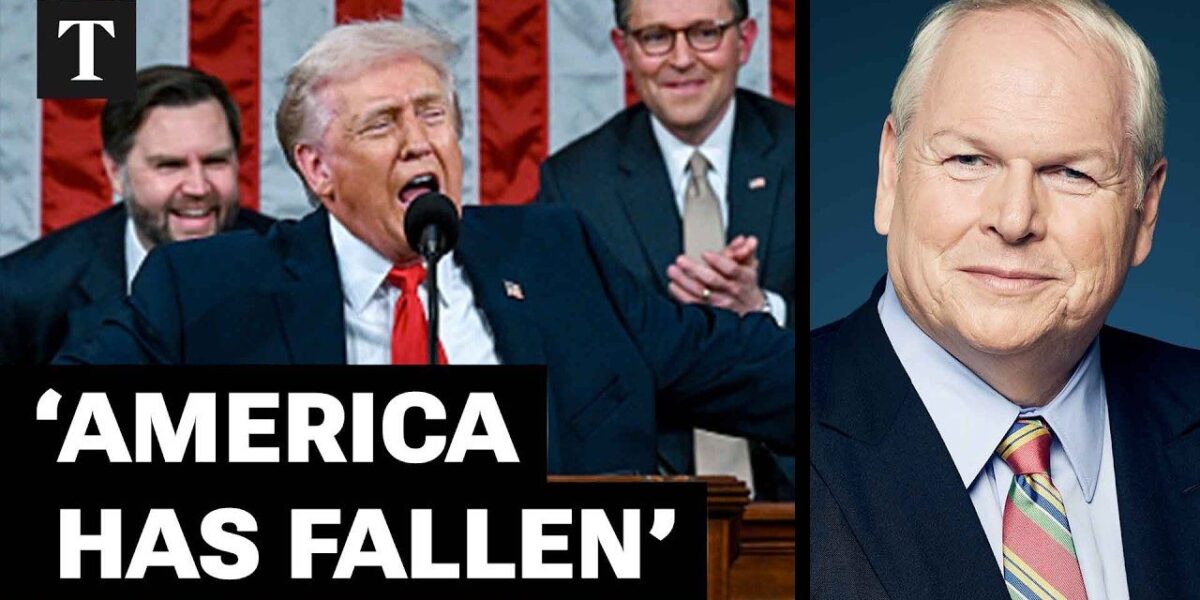
Trump’s State of the Union Undermines Purpose, Analysts Say
The recent State of the Union address, marked by President Donald Trump’s attacks on members of Congress and their heckling responses, has been described as a stark illustration of how far American political discourse has fallen. According to Adam Boulton, a presenter for Times Radio, the president’s strategy of employing division and polarization aims to secure political victories, but recent special election results suggest this approach may be losing its effectiveness.
A Subversion of Tradition
Boulton, a seasoned observer of American elections, characterized the State of the Union as a performance that was “undignified.” He noted the unusual spectacle of a sitting president verbally targeting lawmakers present in the chamber, eliciting jeers and shouts in return. This exchange, he argued, stands in stark contrast to the intended purpose of the State of the Union, which is typically meant to foster a sense of national unity and common purpose. “The purpose of the state of the union address is supposed to be reassurance… It’s about bringing the two sides together, talking about the common purpose of the United States,” Boulton explained. Instead, he observed, “this president has chosen to use it to basically say half of you are horrible and doing terrible things and I’m doing the right thing, which is which is a complete kind of subversion of the function of the State of the Union address.”
Parallels and Divergences with British Parliament
When asked to draw parallels with the robust exchanges often seen in the British Parliament, such as Prime Minister’s Questions (PMQs), Boulton distinguished the two. He acknowledged that some, like conservative commentator Matt Schlap, might see similarities in the boisterous atmosphere. However, Boulton emphasized a crucial difference: the State of the Union is a platform where the president, holding the microphone, asserts his views unilaterally. In contrast, PMQs, while sometimes lively, represents a more structured exchange of views between opposing political sides within established conventions. “The point about the State of the Union address is that the president holds the microphone. It’s not a rhombusuous argument. It’s one man asserting his views whether they’re true or not,” he stated. He also pointed out the unique position of the US president, who serves as both head of state and head of government, a role he equated to that of a monarch in some respects, further differentiating it from the parliamentary setting.
Populist Tactics and Electoral Performance
The address also featured elements often associated with populist rallies, including the showcasing of victims of crimes committed by immigrants and ovations for injured soldiers and police officers. While such displays can be emotionally charged, Boulton suggested that the polarizing tactics employed by Trump might be alienating a significant portion of the electorate. He cited recent “special elections” in the US, where the Republican party has reportedly performed poorly. “It does look a little bit as um you know Donald Trump is doing the same old shtick but actually um Americans or majority of Americans have got bored if not repulsed by it,” Boulton remarked, indicating a potential fatigue with the president’s consistent strategy of division.
Broader Implications for Political Discourse
The undignified tone and divisive rhetoric observed during the State of the Union address raise broader questions about the health of American political institutions. When the presidential address, a typically solemn occasion, devolves into partisan attacks and counter-attacks, it can erode public trust and exacerbate societal divisions. The transcript highlights a concern that the focus has shifted from substantive policy discussions and national unity to political theater and personal animosity. This trend, if it continues, could have long-term consequences for democratic norms and the ability of the government to address pressing national issues effectively.
Looking Ahead: Electoral Challenges and Political Strategy
As the United States heads towards midterm elections, the effectiveness of Donald Trump’s polarizing strategy remains a key question. While the State of the Union may have energized his base, the reported struggles of the Republican party in special elections suggest that voters may be seeking alternatives. The coming months will likely see continued debates over political strategy, with parties assessing whether to double down on divisive rhetoric or pivot towards more unifying messages. The performance of both major parties in upcoming elections will be closely watched to gauge the electorate’s appetite for political confrontation versus pragmatic problem-solving.
Source: This Moment Shows Why America Has Fallen Under Donald Trump | Adam Boulton (YouTube)

Related Articles
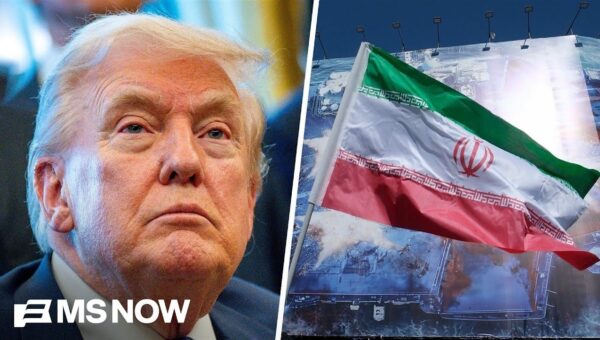
Trump Open to Iran Talks After Attacks, Shifts on Regime Change
President Trump has agreed to negotiate with Iran's new leadership following recent U.S. and Israeli attacks, signaling a potential shift from his regime change objective. The move has drawn scrutiny from former officials who question the strategic coherence of U.S. policy.
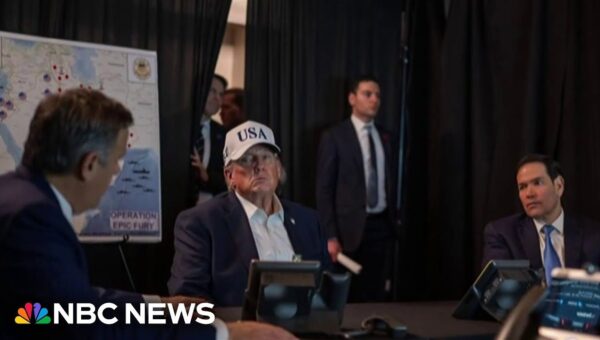
Trump: Iran Strikes Ahead of Schedule, Expects ‘Great Deal for World’
Three U.S. service members have been killed amid escalating conflict with Iran, President Trump confirmed. He stated that strikes are ahead of schedule, with senior Iranian leaders killed, and expressed optimism for a "great deal for the world" despite ongoing talks with Iranian officials.
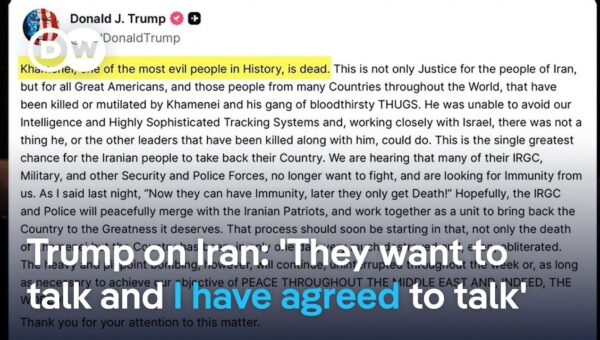
Trump Agrees to Talks with Iran After Major Strikes
President Donald Trump has agreed to talks with Iran's leadership following coordinated strikes that reportedly killed key figures, including the Supreme Leader. While Trump claims significant military successes, U.S. strategy remains unclear, and public opinion shows limited support for the actions amid rising American casualties.