Trump’s Stark Ultimatum: Global Conflict Looms Over Iran
President Trump has issued a stark ultimatum to Iran, threatening attacks on infrastructure if hostile actions against global shipping do not cease. Iran has responded by calling for citizens to form human chains at power plants, signaling a potentially dangerous escalation. This standoff highlights critical geopolitical tensions with global economic and humanitarian implications.

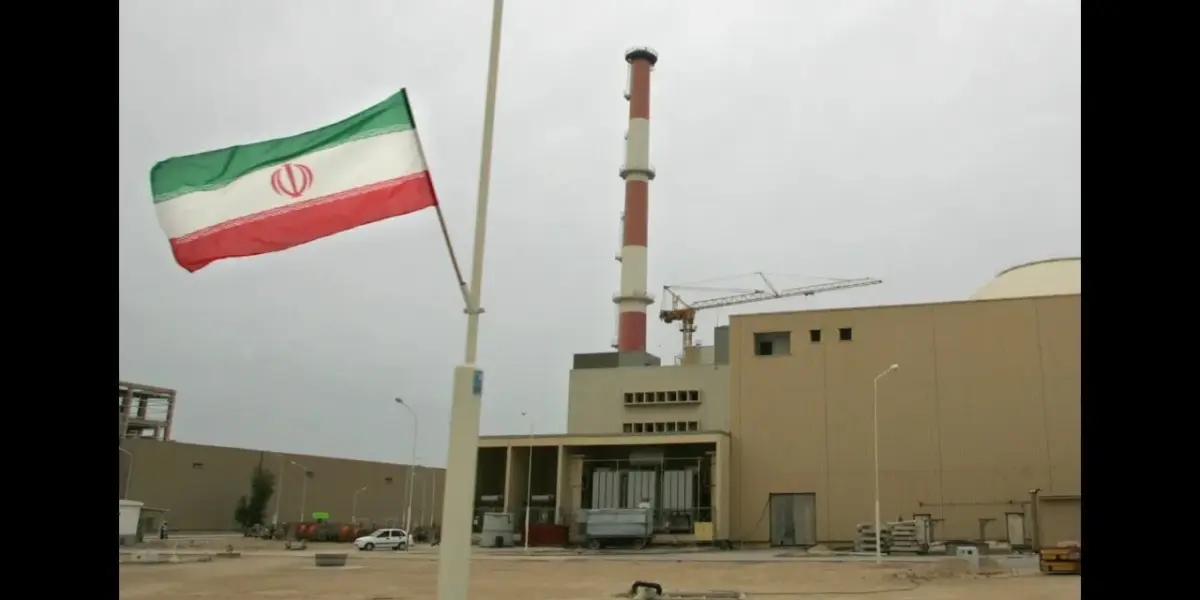
Global Tensions Flare as Trump Issues Iran Deadline
The world watches nervously as President Trump issues a stark warning to Iran, setting a firm deadline for the nation to cease hostile actions against global shipping. The situation is particularly tense around the Strait of Hormuz, a crucial waterway for international trade. Trump has made it clear that if Iran does not comply by tonight, he will order attacks on key infrastructure, including bridges and power plants.
This ultimatum carries significant weight, especially with the Israeli military also issuing safety warnings to Iranians. These warnings specifically advise people to avoid trains and railway lines, suggesting a high level of concern about potential military actions. The seriousness of Trump’s ultimatum is underscored by these widespread safety advisories, signaling that the situation has reached a critical point.
Iran’s Response: A Call for Civilian Resistance
In response to the escalating pressure, Iranian officials have called upon their citizens to form what they are terming “human chains.” This organized resistance is planned to take place at power plants across the country. The call targets youths, athletes, and students, urging them to gather at these critical energy facilities.
This tactic appears to be a defensive strategy, aiming to deter potential attacks by placing civilians in harm’s way. By positioning people at power plants, Iran seems to be signaling a willingness to endure significant consequences, potentially turning its own infrastructure into a human shield. This move highlights the deep divide and the extreme measures being considered by both sides.
Why This Matters
The events unfolding around Iran’s maritime activities and President Trump’s strong reaction are more than just a regional dispute. They represent a critical juncture in international relations, with far-reaching implications for global stability and the world economy. The Strait of Hormuz is a vital artery for oil transport, and any disruption there can send shockwaves through global energy markets, affecting prices and supply chains worldwide.
The potential for military escalation is a grave concern. Trump’s threat to attack infrastructure, coupled with Iran’s call for civilian mobilization, paints a grim picture of potential conflict. Such a conflict could have devastating humanitarian consequences and further destabilize an already complex geopolitical landscape. The involvement of other nations, even indirectly through advisories, shows how interconnected this issue has become.
Historical Context and Future Outlook
This confrontation is not happening in a vacuum. Tensions between the United States and Iran have been high for decades, marked by political disagreements, sanctions, and proxy conflicts. The current situation echoes past standoffs, where control over strategic waterways and regional influence have been central points of friction.
The economic pressures imposed by sanctions have also played a significant role in shaping Iran’s current stance. Facing internal economic challenges, the Iranian regime may feel compelled to take a harder line on the international stage to rally domestic support or project strength. This dynamic often leads to a cycle of escalation, where each side perceives the other’s actions as provocative.
Looking ahead, the outlook remains uncertain and fraught with risk. The success of Trump’s ultimatum hinges on Iran’s willingness to back down, which seems unlikely given their public response. Conversely, Iran’s strategy of civilian mobilization could provoke a stronger, more forceful response from the United States, leading to an unpredictable conflict.
The world is watching closely, hoping for a de-escalation rather than a full-blown confrontation. The economic and human costs of such a conflict would be immense, affecting not just the immediate region but the entire global community. Diplomacy, however strained, remains the most viable path to preventing further escalation and ensuring the safety of global shipping lanes.
Source: Trump Warns a 'Whole Civilization' Could Die, Adds Iran Still Has Time to Capitulate (YouTube)

Related Articles
Putin’s Russia: 25 Years of Propaganda and Paranoia
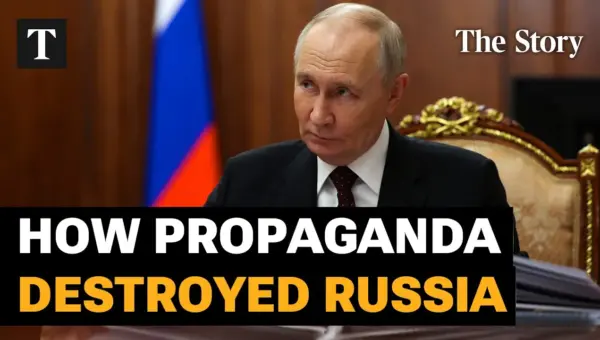
For 25 years, Mark Bennett lived in Russia, witnessing its transformation under Vladimir Putin. His firsthand account details the rise of state propaganda, the erosion of truth, and how a nation seemingly sleepwalked into conflict, influenced by a narrative of Western hostility and Russian destiny.
Trump’s Iran War Panic Fuels Escalation Fears
President Trump's aggressive rhetoric towards Iran signals desperation and a potential for massive escalation. Experts fear a breakdown in military-civilian communication and warn of a looming humanitarian catastrophe. A peaceful resolution seems distant as strategic options narrow.

Ukraine Strikes Russian Oil Ports, Crippling Exports
Ukraine's targeted strikes on Russian oil export terminals are crippling its war machine and reducing vital revenue. Retired General David Petraeus highlights Ukraine's advanced drone technology and its growing role as a global defense innovator.