Trump’s Speech Sparks Fears of Cognitive Decline
Donald Trump's recent televised address has ignited widespread concern over his cognitive health, with many observers noting signs of 'sundowning.' The speech, marked by confusing statements and low energy, has led to criticism of his advisors and fueled speculation about his fitness for office. Even former allies are now voicing alarm.

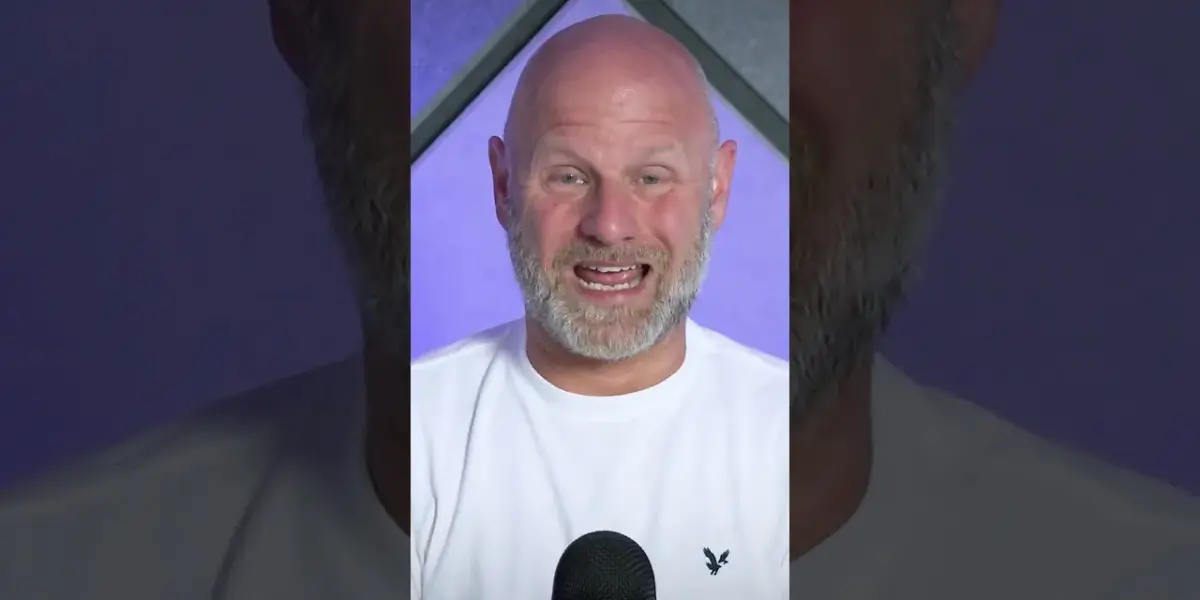
Trump’s Address Raises Alarming Questions
On a recent Wednesday evening, former President Donald Trump delivered an address to the nation that has sparked significant concern and debate. Trump claimed that the situation in Iran was going “super great” and that the United States had “totally won.” However, he also suggested that the effort would continue for “a couple more weeks.” This mixed message, presenting victory while prolonging conflict, left many observers confused.
The speech highlighted a lack of clear objectives or plans for the ongoing situation. Trump’s statements seemed to contradict each other, saying they had already won but were not yet finished. Most rational people would agree that these two ideas cannot logically exist at the same time.
Allies and Allies’ Status Questioned
Adding to the confusion, Trump also made statements about international alliances. He declared that the U.S. has “no allies” and described NATO as “horrible.” This stance on global partnerships comes after years of the U.S. working closely with many other countries on various issues.
“We have no allies and our allies are horrible and NATO is horrible.”
Concerns About ‘Sundowning’ Emerge
Beyond the policy statements, the most striking aspect of the address was Trump’s apparent condition. Many viewers and commentators noted a significant decline in his energy and coherence. He appeared low-energy, and at times, seemed to slur his words, leading some to suggest he sounded drunk.
This observation led to widespread speculation that Trump might be experiencing what is known as “sundowning.” Sundowning is a term used to describe confusion or disorientation that can occur in the late afternoon or evening, often associated with cognitive impairment, such as dementia. It’s like when someone who is usually fine during the day starts to get confused or agitated as the sun goes down.
Criticism of White House Decision-Making
The decision to have Trump speak on live television during prime time has drawn sharp criticism. Many are questioning why anyone in his White House would put a candidate perceived to be experiencing cognitive issues on display so late in the day. They argue that putting him on TV at night, when he seemed to be at his least coherent, was a serious misjudgment.
This decision, according to critics, backfired immediately. Social media platforms erupted with comments suggesting Trump was “sundowning” and that something was seriously wrong. The perception was that the speech highlighted a severe cognitive decline.
Former Allies Echo Concerns
The worries about Trump’s cognitive state are not limited to casual observers or political opponents. Even some of his former allies have begun to voice similar concerns. Alex Jones, a controversial media personality and former Trump supporter, stated publicly that Trump “looks sick” and that “he’s gone.”
These comments from unexpected sources add weight to the growing unease. When people who have previously defended him now express alarm, it suggests a significant shift in perception.
Public Concerns Reflected in Online Comments
The sentiment of concern was also visible in online discussions. A super chat comment from a user named Vargas Pure Blood highlighted a separate but related issue, stating, “Gas prices went through the damn roof.” This comment, while seemingly unrelated to Trump’s address, reflects a broader public anxiety about economic conditions and leadership during challenging times.
Why This Matters
The perceived cognitive state of a major political figure is of paramount importance. Voters rely on candidates to be clear-headed, articulate, and capable of making sound decisions. When there are public doubts about a candidate’s cognitive abilities, it directly impacts their fitness for office and the trust the public can place in them.
This situation also raises questions about the role of advisors and campaign staff. Who advises a candidate on when and how they should speak? And what are their responsibilities when a candidate appears unwell? The decision to put Trump on air at that specific time suggests a potential failure in judgment or a lack of accountability within his inner circle.
Historical Context and Future Outlook
Concerns about the health and cognitive fitness of political leaders are not new. Throughout history, the public and media have scrutinized the physical and mental well-being of presidents and candidates. However, the rise of social media has amplified these discussions, allowing observations and speculation to spread rapidly.
The “sundowning” phenomenon, while a recognized medical term, has become a public point of discussion in a way it never has before. This public diagnosis, made by laypeople watching a screen, highlights how political commentary has evolved. It also underscores the intense pressure and scrutiny that public figures, especially those in the political arena, now face.
Looking ahead, these concerns could significantly impact Trump’s political future and his campaign. Voters will likely weigh these observations heavily when deciding their support. Furthermore, it raises the bar for transparency regarding the health of all political candidates. The public has a right to expect their leaders to be mentally sound and capable of handling the demands of office.
Source: Trump is visibly beat down (YouTube)

Related Articles

Trump Threatens Iran, Shaking Global Stability
Former President Trump's aggressive Easter Sunday warning to Iran has ignited global concerns, highlighting a volatile intersection of politics, religion, and foreign policy. The analysis explores the motivations behind such rhetoric, the deep divisions within American society, and the potential for severe economic and geopolitical repercussions worldwide.
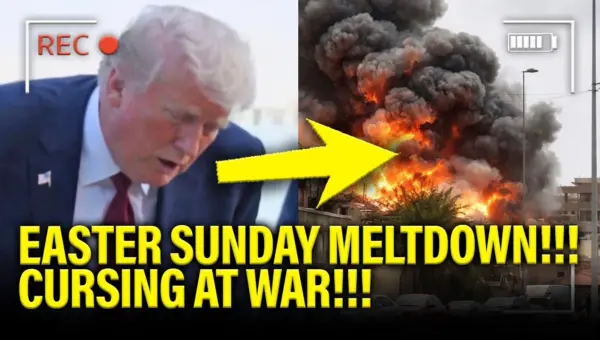
Trump’s Rhetoric Fuels Iran Tensions, Raises War Crime Alarms
Former President Donald Trump's aggressive Easter weekend social media posts directed at Iran have sparked international concern. His threats of military action and ultimatums, coupled with conflicting narratives about military engagements, have raised alarms about potential war crimes and a dangerous escalation of conflict. Critics accuse both Trump and segments of the media of downplaying the severity of his rhetoric.
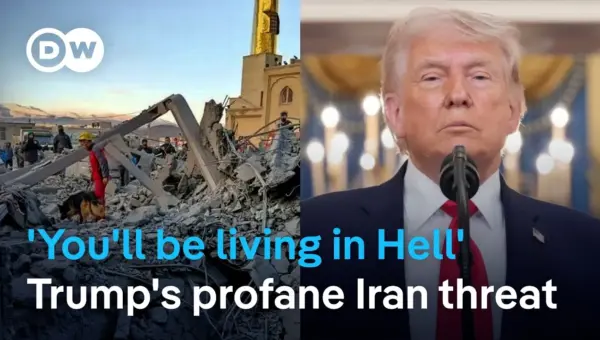
Trump’s Vulgar Iran Threat Sparks Global Outrage
President Donald Trump issued a highly profane threat against Iran via social media, warning of attacks on civilian infrastructure if the Strait of Hormuz was not opened. Experts suggest the outburst stems from frustration and desperation, while legal scholars warn of potential war crimes. The situation continues to escalate, with significant economic and political implications for the region.