Trump’s Space Tech Dominates Iran as Oil Prices Spike
The U.S. is reportedly using advanced space technology to dismantle Iranian military infrastructure in Operation Epic Fury, coinciding with oil price spikes and strategic maneuvers in the Strait of Hormuz. Meanwhile, domestic policy discussions focus on revitalizing American manufacturing and addressing energy security concerns.

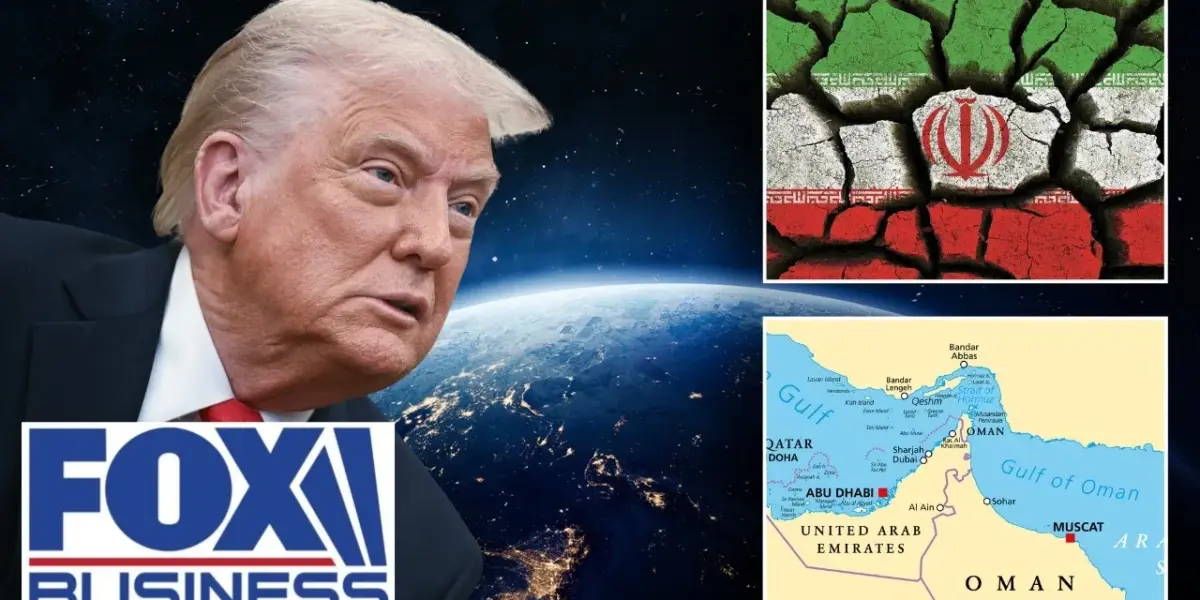
US Leverages Space Technology in Operation Epic Fury Against Iran
In a significant development in the ongoing geopolitical conflict, the United States has reportedly employed advanced space-based technology to neutralize Iran’s military infrastructure during a recent operation dubbed ‘Epic Fury.’ This strategic move, detailed in The New York Post and discussed by security analysts, underscores a new era of warfare where space assets play a critical role in national security and conflict resolution.
Strait of Hormuz and Oil Price Volatility
The escalating tensions have also brought renewed focus to the Strait of Hormuz, a vital chokepoint for global oil transit. General Jack Keane, a senior strategic analyst for Fox News, commented on the situation, stating, “The Strait of Hormuz problem gets resolved when we end this war.” He acknowledged that while oil prices have spiked, potentially exceeding $100 a barrel, this short-term economic impact is considered a necessary cost for achieving larger strategic objectives, such as dismantling Iran’s regional influence.
Keane elaborated on the tactical considerations regarding the Strait of Hormuz, noting that while Iran possesses the capability to target ships with precision weapons from hundreds of miles inland, the U.S. military is actively working to eliminate these threats before escorting operations commence. “We’re likely not going to begin that task of escorting tankers through until that threat is removed,” Keane stated, emphasizing that these actions are expected to coincide with the war’s conclusion.
“I think in the meantime, the fact that the media and the president’s opposition party seems to be in a frenzy over the fact that oil prices are spiking. And it seems to me that oil prices spiking should not be the pacing item for this war.” – General Jack Keane
US-Israel Alliance and Military Objectives
The operation highlights a strong alliance between the United States and Israel, with General Keane emphasizing the unprecedented level of trust and capability sharing between the two militaries. “These are the two most proven militaries in the world conducting the first time ever combined operations against a common objective and a common enemy,” he remarked. The confidence of military commanders, including Admiral Brad Cooper, has been directly communicated to President Trump, reinforcing the belief in successfully achieving military objectives.
The strategic goal is not just to neutralize immediate threats but to fundamentally alter the regional balance of power. “The opportunity here to take these guys off the board finally, maybe not immediately, but reduce their effectiveness so much that they’re powerless and eventually change will take place,” Keane explained. He also projected that the removal of this threat could lead to a significant increase in normalization among Arab states and Israel, reshaping the Middle East for decades.
California’s Energy Security Concerns
In a separate but related discussion on energy, Andy Walsh, President of Chevron, raised concerns about California’s energy security under current climate policies. Walsh warned of potential economic collapse and irreversible damage to the state’s economy due to regulations that could lead to the elimination of all refining in California. He expressed apprehension about the state’s increasing reliance on imports from countries like Korea, India, and China for its energy needs.
The conversation also touched upon the rising gasoline prices in California, with Walsh noting that proposed policies could add an additional $1.20 per gallon via taxes within five years. He criticized these policies for disproportionately affecting those least able to afford them and highlighted the closure of refineries as a critical issue, stating, “if you close a refinery, it doesn’t come back. These are irreversible decisions.”
‘Made in America’ Initiative and Industrial Revival
The broader economic landscape was further explored through discussions about President Trump’s “Made in America” agenda. The inaugural 2026 Supplier Matchmaking Expo, co-hosted by the U.S. Small Business Administration (SBA) and the National Association of Manufacturers (NAM), aims to connect over 800 small businesses with larger corporations like NASA, Boeing, and Ford. Jay Timonss, President and CEO of NAM, emphasized the goal of ensuring more products are manufactured domestically, particularly in sectors like aerospace, defense, and pharmaceuticals.
SBA Administrator Kelly Leler highlighted the positive impact of the administration’s policies, including tax cuts and deregulation, on small manufacturers, which constitute 98% of all manufacturers in the U.S. She noted reshoring of supply chains from China and increased job creation as direct results of this economic strategy. Data from the Institute for Supply Management indicated a second consecutive month of expansion in U.S. factory activity in February, signaling growth in the manufacturing sector.
Combating Fraud and Strengthening the Industrial Base
The administration’s commitment to accountability was also evident in discussions about combating federal benefit fraud. Vice President JD Vance is leading a nationwide crackdown targeting fraud across all 50 states. Kelly Leler confirmed that the SBA is auditing programs, including a 50-year-old, unaudited $50 billion program, to ensure taxpayer dollars are not being misused. The focus extends to preventing incentives for illegal immigrants and ensuring that economic benefits are directed towards legitimate American businesses and citizens.
The Future of Space Dominance and Exploration
NASA Administrator Jared Isaacman provided insights into the critical role of space in national security and future exploration. He reiterated President Trump’s commitment to space dominance, citing the creation of the Space Force and the Artemis program. “Space is the ultimate high ground,” Isaacman stated, emphasizing how satellites for observation and communication provide a significant edge in conflicts. He also addressed concerns about adversaries threatening U.S. space assets, underscoring the need for continued investment and development in space defense capabilities.
The Artemis program, aimed at establishing a sustained human presence on the Moon and serving as a stepping stone for Mars missions, was highlighted as a key initiative. Isaacman detailed plans for regular lunar launches, the development of a lunar base, and advancements in nuclear propulsion for future space travel. This vision for space exploration and dominance is seen as crucial for maintaining American leadership in the 21st century.
Looking Ahead
The coming weeks and months will be crucial in observing the full impact of Operation Epic Fury on Iran’s capabilities and regional stability. Concurrently, the effectiveness of the “Made in America” initiatives and the response to California’s energy policy challenges will be closely monitored. The ongoing developments in space exploration and defense underscore a strategic pivot towards leveraging technological superiority in all domains.
Source: ABSOLUTE DOMINANCE: Trump unleashes space tech as Iran faces TOTAL collapse | Recap (YouTube)

Related Articles


Tiger Woods Arrested for DUI After Crash
Golf legend Tiger Woods was arrested for DUI in Florida following a dramatic rollover crash. Meanwhile, a government shutdown continues as House Republicans block a Senate deal, leading to airport chaos and TSA worker pay issues. The stock market also plummeted into correction territory amid fears of a prolonged Iran conflict.
Trump’s Iran War Plans Criticized Amid Border Funding Standoff
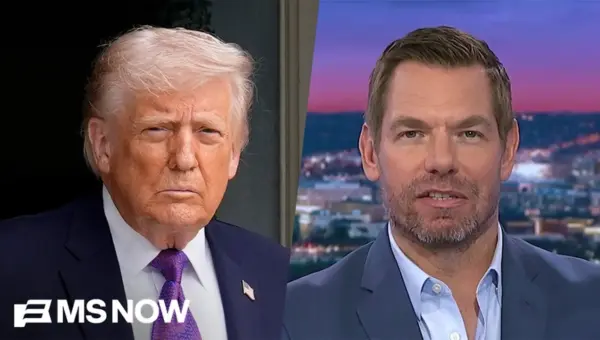
Lawmakers and analysts are criticizing the Trump administration's handling of the Iran conflict and its approach to border funding, arguing that a lack of clear planning and a focus on political battles are making the U.S. less safe. Concerns are particularly high regarding the FBI's priorities and the potential impact of these issues on national security.

Iran Tensions Send Oil Prices Soaring; Farmers Seek Relief
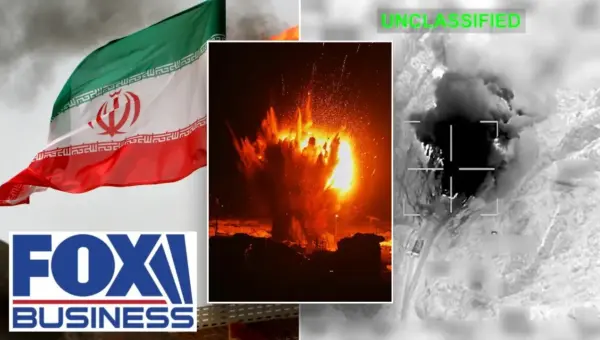
Escalating tensions with Iran are driving oil prices higher, while U.S. troop deployments to the Middle East increase. Meanwhile, American farmers are receiving relief from rising costs through regulatory changes and support measures, as devastating wildfires impact Nebraska's cattle industry.