Trump’s Space Race Returns: Moon Mission Ignites Global Tensions
NASA's Artemis 2 mission marks a historic return to the Moon, while President Trump confronts Iran with increased military action and urges global partners to take a stronger stance. Domestic policy sees shifts in firearm regulations on bases and new initiatives for election integrity and public health.

Trump’s Space Race Returns: Moon Mission Ignites Global Tensions
The White House has been a hub of significant activity, marked by a historic return to the Moon and escalating international conflicts. President Trump’s administration navigated a pivotal week, balancing ambitious space exploration with a firm stance on global security and domestic policy.
NASA’s Lunar Leap
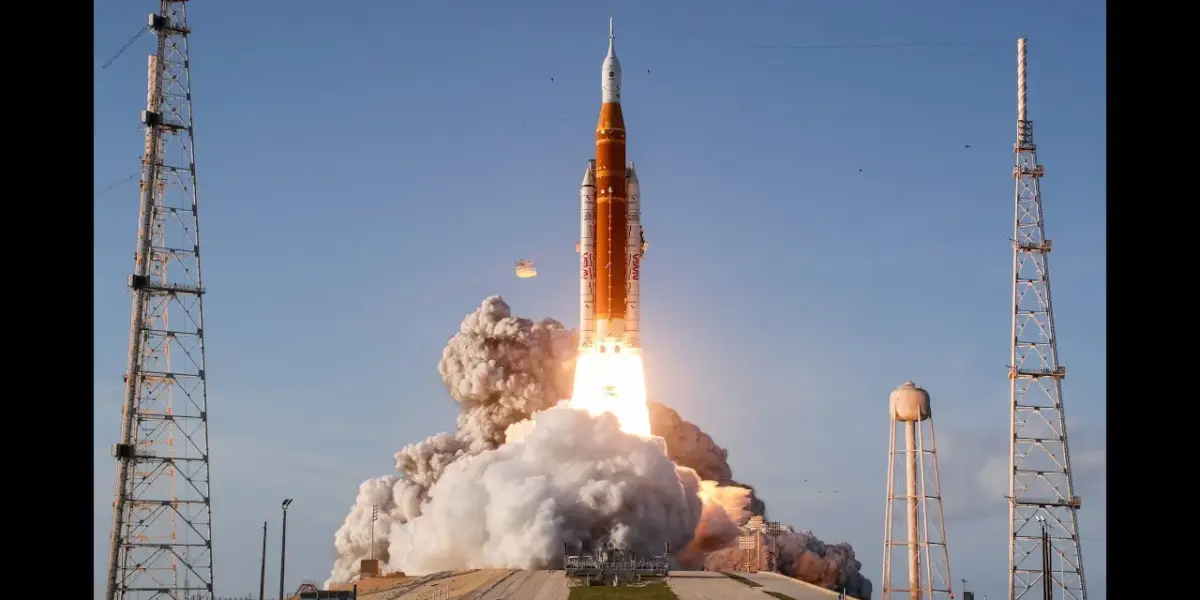
A major highlight was NASA’s Artemis 2 mission launch from Florida. This marked the first crewed journey to the Moon in nearly half a century. Four astronauts embarked on an approximately 10-day mission, circling the Moon and returning to Earth. This event is seen as a fruition of the space policy initiated by President Trump during his first term, signaling a renewed focus on lunar exploration.
Confronting Iran
President Trump addressed the nation regarding the ongoing conflict with Iran. He spoke forcefully about ending what he called Iranian aggression and nuclear threats. The President urged concerned nations to increase their oil purchases from the U.S. and to take direct action in the Strait of Hormuz if necessary. “Build up some delayed courage,” he stated, suggesting a more proactive approach.
The U.S. and Israel continued joint strikes across Iran. A video shared by the President appeared to show a large strike on an ammunition depot in Isfahan, with massive flames visible. War Secretary Pete Hegseth reported that U.S. firepower is increasing while Iran’s is decreasing. He noted that these strikes are damaging Iranian military morale, causing desertions and personnel shortages, and leading to frustration among senior leaders.
NATO and European Relations
NATO Secretary General Jens Stoltenberg is scheduled to visit Washington soon. This visit follows President Trump’s criticism of European allies for their perceived inaction in the Iran conflict. The President also previously threatened to withdraw the U.S. from NATO, indicating potential strains in the alliance.
Domestic Policy and Investigations
On the domestic front, President Trump’s White House ballroom project received approval from Washington planning authorities. However, a prior court ruling stated that the work could not proceed without congressional approval.
In a significant policy shift, the Trump administration lifted sanctions on Venezuela’s interim president, Delcy Rodríguez. This move allows Venezuela to reopen its embassies in the U.S. and reclaim control of state assets held abroad.
Health Secretary Robert F. Kennedy Jr. announced a new national program. Its goal is to measure, understand, and remove microplastics from the human body. The program will focus on three key questions: what is in the body, what is causing harm, and how can it be removed. This initiative addresses growing concerns about environmental contaminants affecting human health.
In a move reversing a previous policy, service members will now be permitted to carry personal firearms on U.S. military bases. Secretary Hegseth explained, “Our warfighters defend the right of others to carry. They should be able to carry themselves.” This change allows privately owned weapons on military installations.
The Justice Department reported the arrest of eight suspects on federal charges. They are accused of a scheme to defraud the U.S. healthcare system of over $50 million. The investigation suggests that a significant portion of healthcare providers should not be in business, based on identified red flags.
Pam Bondi is departing her role as Attorney General. She stated she is moving to an important private sector position where she will continue to support President Trump and his administration. The President confirmed her departure, praising her as a “great American patriot and a loyal friend.”
Election Integrity Focus
President Trump signed an executive order aimed at strengthening election integrity. The order requires federal agencies to verify U.S. citizenship. It also mandates the creation of voter eligibility lists, tracking of mail-in ballots, and prioritization of prosecutions for election fraud. This initiative underscores a commitment to ensuring the security of election processes.
Why This Matters
This week’s events highlight a dynamic presidency actively pursuing ambitious goals on multiple fronts. The return to lunar exploration signals a renewed national pride and technological advancement, echoing past achievements in space. However, this progress is occurring alongside heightened geopolitical tensions, particularly with Iran. The administration’s assertive stance and military actions could reshape regional stability and international relations.
Domestically, the policy changes reflect a broader agenda focused on national security, economic independence, and the integrity of democratic processes. The lifting of sanctions on Venezuela and the focus on microplastics show an engagement with international and public health issues. The decision to allow firearms on military bases and the emphasis on election security address concerns about safety and trust in institutions.
Implications, Trends, and Future Outlook
The Artemis 2 mission’s success could pave the way for more extensive human space exploration, potentially fostering international cooperation or competition in space. The assertive approach to Iran, however, carries risks of escalation, impacting global energy markets and international alliances. The President’s criticism of NATO and threats of withdrawal suggest a potential realignment of U.S. foreign policy priorities.
Domestically, the focus on election integrity and the fight against healthcare fraud indicate a continued emphasis on law and order. The microplastics initiative could lead to new public health research and regulations. The reversal of the firearm policy on bases signals a shift in approach to military base security and individual rights.
Historical Context
The Artemis program builds upon the legacy of the Apollo missions, which first landed humans on the Moon in 1969. This renewed push for lunar exploration reflects a global interest in space, with multiple countries and private companies now involved. The tensions with Iran have a long history, marked by periods of conflict and diplomatic challenges. The U.S. has historically played a significant role in the Middle East, influencing regional dynamics. The ongoing debates about election integrity and healthcare fraud are recurring themes in American politics, reflecting differing views on governance and security.
Source: White House Week in Review: NASA Launches 1st Crewed Moon Mission in Half a Century (YouTube)

Related Articles


Artemis II Crew Faces Minor Setbacks, Space Toilet Humor Persists
The Artemis II mission is addressing minor technical issues and an unusual odor detected by the crew. Despite these challenges, teams are working diligently to ensure mission success. The public's fascination with space toilets continues, highlighting the complexities of human needs in orbit.
ICE Detains Soleimani Kin; Trump’s Race Data Pause Ordered
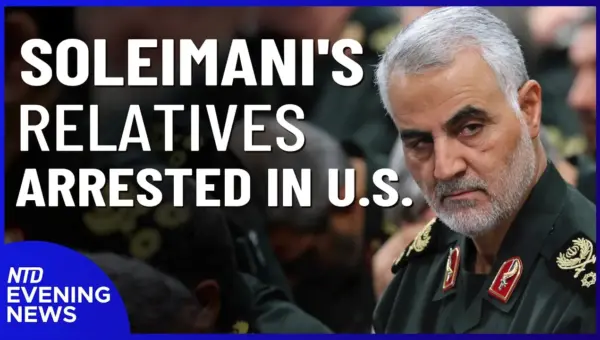
The U.S. has revoked visas for relatives of former Iranian general Qasem Soleimani, leading to their detention by ICE. Meanwhile, a federal judge has ordered a pause on President Trump's collection of race data from universities, citing procedural issues. These events highlight ongoing diplomatic tensions and debates over educational policy.
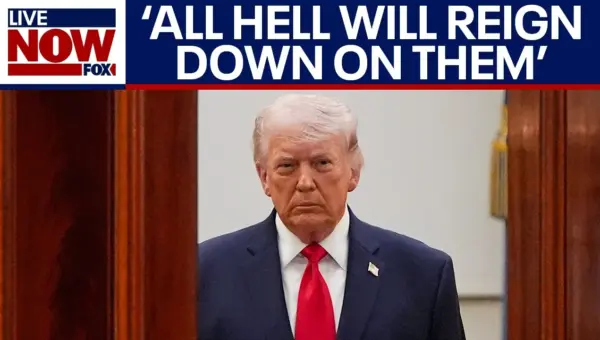
White House Faces Iran Tensions, Cabinet Shake-up, Funding Stalemate
President Trump has issued a 48-hour ultimatum to Iran amid escalating Middle East tensions, demanding a deal to reopen the Strait of Hormuz. Meanwhile, Pam Bondi has been fired, sparking speculation about further cabinet changes, and the fight over DHS funding continues to fuel a government shutdown.