Trump’s Solo War Effort Falters: Allies Refuse Aid
Donald Trump's unilateral military operation against Iran has been met with a lack of support from key international allies, including Germany, Japan, Italy, and Australia. The decision to act without consulting allies has resulted in mounting casualties, economic repercussions, and a lack of clear strategic objectives.

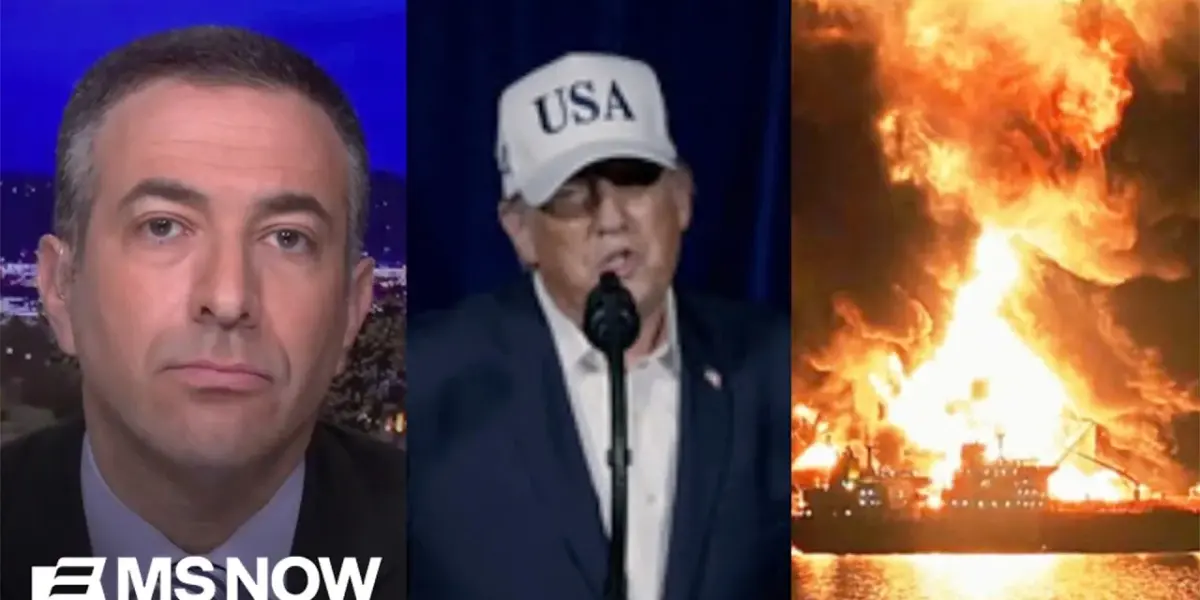
Trump’s Unilateral Strike Against Iran Met with International Silence
In a significant departure from decades of established foreign policy, former President Donald Trump initiated a military operation against Iran essentially alone, bypassing traditional consultations with Congress and key international allies. The decision, which reportedly did not involve extensive deliberation with NATO or European partners, has quickly revealed the challenges of a “go it alone” approach, as the operation enters its third week with mounting casualties and economic repercussions.
Human and Economic Toll Mounts
The human cost of the conflict is becoming increasingly apparent. As of the third week of the operation, 13 American service members have been killed and approximately 200 injured. The Pentagon has released casualty figures, though detailed coverage and extensive video documentation of these losses have been limited. On the other side of the conflict, Iranian casualties are estimated to be over 2,000. The impact has extended beyond military theaters, with Iran striking targets including Dubai’s international airport and the U.S. Embassy in Baghdad over the weekend. The U.S. has reportedly struck 15,000 Iranian targets in response.
Allies Rebuke Trump’s Late Appeals for Support
In a striking development, several key U.S. allies, including Germany, Japan, Italy, and Australia, have reportedly rebuffed late appeals from Donald Trump for assistance in the operation, particularly concerning the critical Strait of Hormuz. This region is vital for global oil transport, and disruptions there have led to surging gas prices. The refusal of these nations to join the effort underscores the isolation of Trump’s unilateral strategy. Reports suggest that Trump’s appeals were perceived as unstrategic and possibly desperate, coming after he had already committed to acting without their support for the initial two weeks of the conflict.
“Allies rebuff Trump’s appeal for help in the critical Strait of Hormuz…” – The Times headline
Economic Ramifications and Strategic Missteps
The decision to act unilaterally has significant economic consequences. Hundreds of millions of barrels of oil are estimated to be currently stuck in the Persian Gulf, leading the oil industry to warn the White House of a worsening fuel crunch if the situation does not change. Experts have also raised concerns about Trump’s proposed solutions, such as using military escorts for commercial oil tankers. Such measures could entail substantial expenditure and risk to American lives, with public tolerance for such an undertaking being questionable.
The “Escalation Trap” and Forewarning
Critics and military analysts warn that Trump may be falling into what is known as the “escalation trap” – a scenario characterized by open-ended commitments where a nation acts as the aggressor without clear objectives or international backing, facing an adversary fighting for their homeland. Reports indicate that Trump was briefed in advance by the Joint Chiefs of Staff about the potential for Iran to deploy mines, drones, and missiles to disrupt shipping lanes in the Strait of Hormuz. Despite this forewarning, Trump reportedly expressed frustration and later inquired about the possibility of immediately reopening the strait, a task that proved difficult even with the U.S. military’s capabilities.
Lack of Clear Rationale Fuels Scrutiny
The operation has also faced intense scrutiny due to a perceived lack of a consistent and clear rationale. Unlike previous major conflicts in the Middle East, such as the post-9/11 intervention in Afghanistan or the Iraq War, this operation, in its third week, has not been articulated with a defined objective or shared goal by the President or the White House. This ambiguity has led to widespread questioning of the war planning and leadership competence of the self-declared “wartime president.” Even high-ranking military officials, like the Pentagon chief, have reportedly expressed uncertainty about the strategic aims.
Humor and Criticism Highlight Strategic Void
The strategic void has not gone unnoticed, even finding its way into popular culture. Saturday Night Live, for instance, reportedly mocked aspects of the operation, including the perceived lack of a clear reason for the engagement. The contrast with previous conflicts, where rationales like toppling regimes harboring terrorists or eliminating weapons of mass destruction were presented, highlights the unusual nature of the current situation. The absence of a consistent narrative from the President or the White House regarding the “why” of the conflict has fueled public and international skepticism.
Looking Ahead: The Path Forward
As the conflict continues, the focus will be on whether Donald Trump can secure the international cooperation he initially eschewed. The economic pressures are likely to intensify, and the ongoing human cost will demand greater accountability. The administration’s ability to articulate a clear strategy and rally support, or the continued consequences of its isolationist stance, will shape the future trajectory of this volatile situation in the Middle East.
Source: 'HE BLEW IT': 'Warmonger' Trump FAILS to get allies after 'Going it Alone' – tankers burn (YouTube)

Related Articles

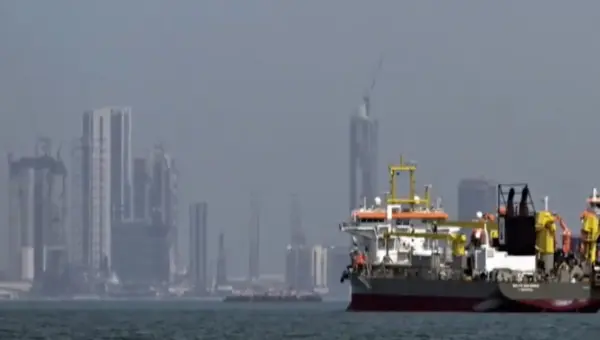
Iran Blocks China Ships, Exposing Beijing’s Weak Grip
Iran's recent decision to block Chinese ships at the Strait of Hormuz is exposing the limits of Beijing's influence in the Middle East. This action is causing delays and cancellations for Chinese manufacturers, turning a perceived geopolitical win into an economic strain.
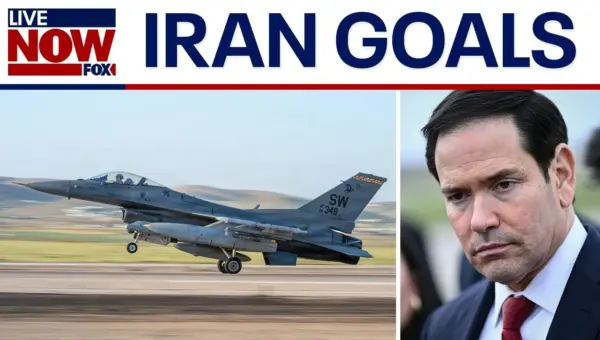
Rubio: US Can Achieve Iran War Goals Without Troops
Senator Marco Rubio outlined a strategy to counter Iran without deploying U.S. ground troops, focusing on weakening the regime and enhancing maritime security. He also criticized Cuba's economic system and expressed concerns about West Bank violence.
Trump’s “Walk Away” Tactic Signals Tougher Stance on China
Retired Air Force Brigadier General David Stillwell believes President Trump's strategy of being willing to walk away from negotiations puts pressure on China. This tactic, combined with US global actions and strengthened alliances, signals a more assertive American foreign policy.