Trump’s Silence on Russian Attacks Stuns Critics
Critics are questioning President Trump's silence on Russia potentially using intelligence to target U.S. troops. A complex web of global oil sales and drone purchases is highlighted, raising concerns about national security. This situation underscores the need for a clear and assertive foreign policy.


Trump’s Silence on Russian Attacks Stuns Critics
The idea that American soldiers might be targeted using intelligence from Russia, and that President Trump isn’t strongly condemning Vladimir Putin, is deeply confusing to many observers. This situation has drawn sharp criticism from political figures who question the administration’s response to potential threats.
A Complex Web of Global Finance and Conflict
Democratic Congressman Jim Himes recently spoke out about what he sees as a troubling chain of events. He described a scenario where Iran is allowed to sell oil, bringing in billions of dollars. This money then flows to China, which in turn buys drones from Russia. Meanwhile, Russia is permitted to sell its oil, earning dollars. These dollars, Himes argues, are then used to attack Ukraine and potentially to help target American troops.
“We are letting the Iranians so sorry. So now the Iranians are getting billions of dollars to sell their oil to the Chinese so that they can buy drones from the Russians. We’re letting the Russians sell oil so they can get dollars to attack the Ukrainians and use those dollars to attack to help attack our troops. I mean, you can’t make this stuff up. It is a Hollywood script.”
This complex financial and geopolitical picture has led to frustration. Critics feel the situation is so bizarre it sounds like something out of a movie. The core of the concern is that actions taken by various countries, seemingly unrelated, could ultimately empower adversaries who might then pose a danger to U.S. interests and personnel.
Historical Context: The Shifting Sands of Alliances
Understanding this situation requires looking at broader trends in international relations. For decades, the U.S. has played a central role in global security and economics. However, recent years have seen challenges to this order. Countries are finding new ways to trade and form partnerships, sometimes bypassing traditional alliances or U.S. influence.
The global energy market, in particular, is complex. When countries like Iran or Russia are able to sell oil, they gain access to funds. How those funds are used is a major point of contention. In the past, such financial flows might have been more easily controlled or monitored by the U.S. and its allies. Today, with a more multipolar world, tracking and influencing these financial streams has become more difficult.
Why This Matters
The central issue is the safety of American soldiers and the national security of the United States. If intelligence or resources generated by Russian actions are being used, directly or indirectly, to threaten U.S. troops, then the administration’s response is critical. The lack of strong condemnation or clear action, as suggested by the critics, raises questions about the priorities and effectiveness of current foreign policy.
Furthermore, this situation highlights how global economic activities can become entangled with military conflicts. The ability of nations to sell oil, even under sanctions or international pressure, can provide them with the means to fund activities that may be hostile to the U.S. This interconnectedness means that economic policies and security strategies must be closely aligned.
Implications and Future Outlook
The implications of this dynamic are significant. If adversaries feel emboldened because they perceive a weak or indifferent response from the U.S., it could lead to increased aggression. This might not only involve direct threats to troops but also broader destabilization in regions critical to U.S. interests.
Looking ahead, there is a clear need for a more coherent and assertive foreign policy. This involves not just reacting to events but proactively shaping the international environment. It also means carefully considering how economic sanctions and trade policies affect global financial flows and the resources available to potential adversaries.
The current situation, as described by critics, suggests a disconnect between economic realities and security imperatives. Bridging this gap will be crucial for protecting American interests and ensuring the safety of its service members in an increasingly complex world. The debate over how to address these challenges is likely to continue, shaping discussions about America’s role on the global stage.
Source: Why is Trump letting Russia help target US troops? (YouTube)

Related Articles

US Battles China for Farmland Control
The U.S. is strengthening efforts to prevent foreign entities, particularly China, from acquiring American farmland. Citing national security concerns, the USDA is working with states and federal agencies to monitor and restrict such purchases, while also promoting domestic food production.
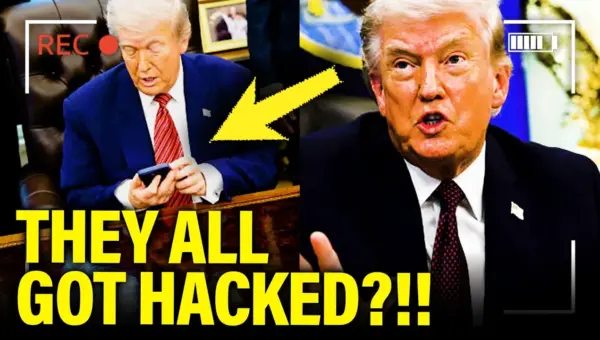
Foreign Hackers Target Trump’s Inner Circle
Reports suggest foreign governments, particularly Iran, have hacked data from individuals close to Donald Trump, including FBI Director Cash Patel. This highlights concerns about election interference and national security. The incidents raise questions about the security of sensitive information and the integrity of democratic processes.
Judge Halts Trump Ballroom Project, Cites Presidential Authority
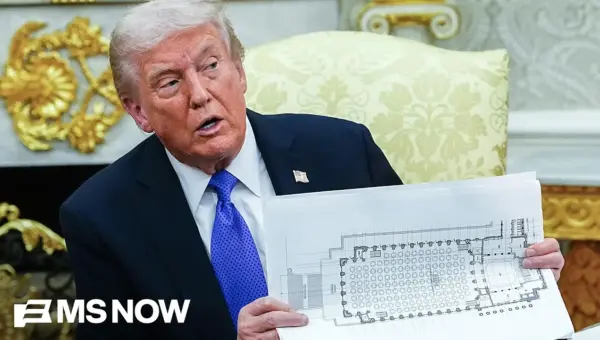
A federal judge has halted President Trump's White House ballroom renovation, citing the need for Congressional authorization. The ruling emphasizes the President's role as a steward, not an owner, of the historic building. This decision comes amid ongoing international conflict and rising gas prices, drawing parallels to the administration's handling of foreign policy.