Trump’s Shoe Dictat: A Symbol of Fear, Not Fashion
Donald Trump's alleged insistence on cabinet members wearing matching shoes reveals a troubling fixation on optics over substance. This "Shoe-Gate" phenomenon, fueled by fear, symbolizes a broader pattern of prioritizing superficial appearances and subservience within his administration.

Trump’s Fashion Footprint: More Than Just Shoes
In an era defined by political theater, the seemingly trivial act of dictating footwear choices within the halls of power has emerged as a peculiar, yet telling, symptom of a larger phenomenon. Reports suggest that Donald Trump, during his presidency, insisted that male members of his cabinet wear matching shoes, even going so far as to order them himself. While initially met with skepticism, the narrative gained traction with anecdotal accounts, painting a picture not of sartorial solidarity, but of a leader prioritizing superficial appearances and fostering an environment of subservience.
The “Shoe-Gate” Phenomenon: A Case Study in Power Dynamics
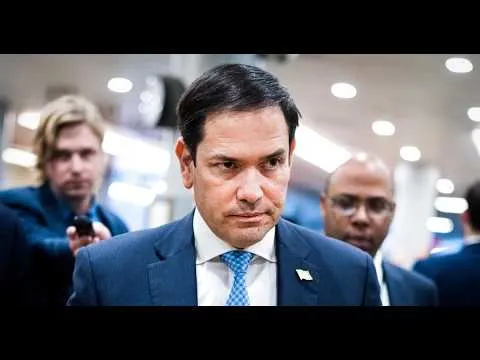
The anecdote, as recounted by individuals privy to the inner workings of the Trump administration, describes Trump interrupting discussions on pressing international matters to critique the shoes of his staff, including Vice President Mike Pence and Secretary of State Marco Rubio. He reportedly procured a shoe catalog and ordered multiple pairs for them, believing they needed to “look their very best.” This incident, framed as “Shoe-Gate,” goes beyond a mere fashion faux pas. It highlights a leader’s fixation on image, a tendency to micromanage minutiae, and a potential disregard for the substantive issues at hand.
Marco Rubio’s Recurring Footwear Fumbles
The situation takes on an almost farcical dimension when considering Marco Rubio’s past “shoe gate” incident in 2016. During his presidential campaign, Rubio faced scrutiny for wearing trendy, high-heeled boots. While his campaign defended the choice as fiscally responsible and a mere $135 purchase, the attention it garnered, at a time of economic concern, underscored the public’s perception of political figures and their choices. The irony is not lost that, years later, Rubio is reportedly among those subjected to Trump’s shoe directives, with images suggesting he may have even worn shoes that appeared oversized, a potential consequence of Trump’s own imprecise guessing of shoe sizes.
Fear as the Driving Force: Beyond Team Building
What elevates this from a quirky anecdote to a concerning commentary is the underlying motivation. Reports suggest that the uniformity in footwear was not a product of genuine team-building or shared aesthetic, but rather a manifestation of fear. A female White House official reportedly joked, “It’s hysterical because everybody’s afraid not to wear them.” This sentiment points to an administration where loyalty and adherence to the leader’s whims, however superficial, were paramount, potentially overshadowing competence and individual judgment. The implication is that officials were more concerned with pleasing Trump and avoiding his displeasure than with executing their duties effectively.
Optics Over Outcomes: A Consistent Trumpian Theme
This fixation on appearances aligns with a broader pattern observed throughout Donald Trump’s public life and presidency. From his insistence on projecting an image of success through inflated claims about his properties to his focus on the perceived attractiveness of his staff – as evidenced by his comments on the National Guard presence in Washington D.C. during protests – Trump has consistently prioritized optics over tangible results. The selection of individuals like Pete Hegseth for the Department of Defense, seemingly based on a resemblance to fictional characters rather than a robust resume, further illustrates this tendency. Success, in this paradigm, is measured not by policy achievements or effective governance, but by the curated image of power and competence.
Historical Context: The Spectacle of Power
The phenomenon of leaders using superficial displays to assert control or project an image is not new. Throughout history, rulers have employed elaborate clothing, grand architecture, and carefully staged public appearances to project authority and inspire awe. However, the Trump administration’s approach, characterized by its focus on mundane details like shoe brands and sizes, represents a modern, perhaps more bizarre, iteration of this historical tendency. It speaks to a leader who leverages personal taste and perceived aesthetic standards as tools of influence and control within his inner circle.
Why This Matters: The Erosion of Dignity and Substance
The implications of this focus on superficiality are significant. It suggests a willingness among those in power to compromise their dignity and autonomy for the sake of political expediency or proximity to influence. The narrative of officials fearing to wear their own shoes, while seemingly minor, symbolizes a broader concern: that the pursuit of power can lead individuals to abandon their principles and critical thinking. When the primary driver for action becomes appeasing a leader’s personal preferences, the very foundations of effective governance—based on merit, expertise, and independent judgment—are undermined.
Future Outlook: The Enduring Spectacle
As political discourse continues to be shaped by personality and performance, the tendency to prioritize optics over substance is likely to persist. The “shoe dictat” serves as a potent, albeit unusual, example of how superficial demands can become intertwined with the exercise of power. It raises questions about the long-term impact on political institutions and the integrity of public service when leaders cultivate an environment where appearance trumps all else. The challenge for the future lies in discerning genuine leadership from mere performance, and in holding individuals accountable not just for what they say, but for the underlying values and motivations that guide their actions.
“Donald Trump doesn’t care what you think. He cares how you look.”
The Underlying Fear: A Chilling Undercurrent
The most chilling aspect of this narrative is the pervasive fear that seems to permeate the Trump orbit. The idea that grown men, holding positions of significant responsibility, would feel compelled to adhere to their leader’s arbitrary fashion choices out of fear is a stark indictment of the environment fostered. This fear extends beyond footwear, as indicated by the mention of officials being afraid to deviate from narratives surrounding sensitive issues, such as relationships with controversial figures or policy decisions that led to civilian casualties or family separations. The “shoe gate” is merely a visible manifestation of a deeper problem: a culture where dissent is suppressed, and conformity, however absurd, is rewarded.
Conclusion: A Glimpse into the Trumpian Mindset
Ultimately, the story of Trump’s shoe directives offers a peculiar yet insightful glimpse into his leadership style and the dynamics of his administration. It underscores a consistent theme: a profound emphasis on external appearances, a desire for control, and a willingness to foster an environment where personal loyalty and outward conformity are valued above all else. The “humiliation” isn’t just about the shoes; it’s about the willingness of individuals to debase themselves, driven by fear and the pursuit of power, in a system where optics consistently trump competence.
Source: Marco Rubio suffers HUMILIATION by Trump | Another Day (YouTube)

Related Articles
Polls Spell Doom: Republicans Face Voter Backlash
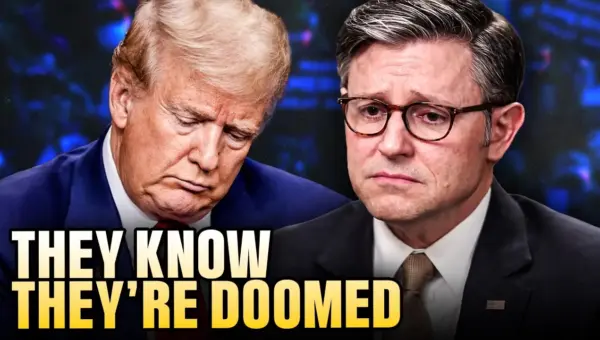
New polling data reveals a sharp decline in public confidence regarding the economic impact of Republican policies, particularly under Donald Trump. A significant majority now feel financially worse off, a trend that is especially pronounced among independent voters. This economic discontent poses a major challenge for the Republican party heading into future elections.


Trump Delays Iran Strike Deadline Amidst Shifting Diplomacy
President Donald Trump has extended his deadline for potential strikes on Iranian energy plants to April 6th, amid reports of U.S.-Iran diplomatic talks mediated by Pakistan. This move comes as Israel continues its strikes on Iran and the U.S. deploys additional military assets to the region. Analysts point to mixed signals, economic pressures, and strategic miscalculations as key factors shaping the evolving situation.
Iran War Claims Ring Hollow as US Troops Injured in New Attack
Days after Donald Trump claimed "we've won" the war with Iran, a new attack injured approximately a dozen U.S. troops and damaged aircraft. This incident contradicts Trump's assertions of victory and raises serious questions about the strategy and reality of the ongoing conflict.