Trump’s Shifting Iran Stance Confuses Allies, Experts Say
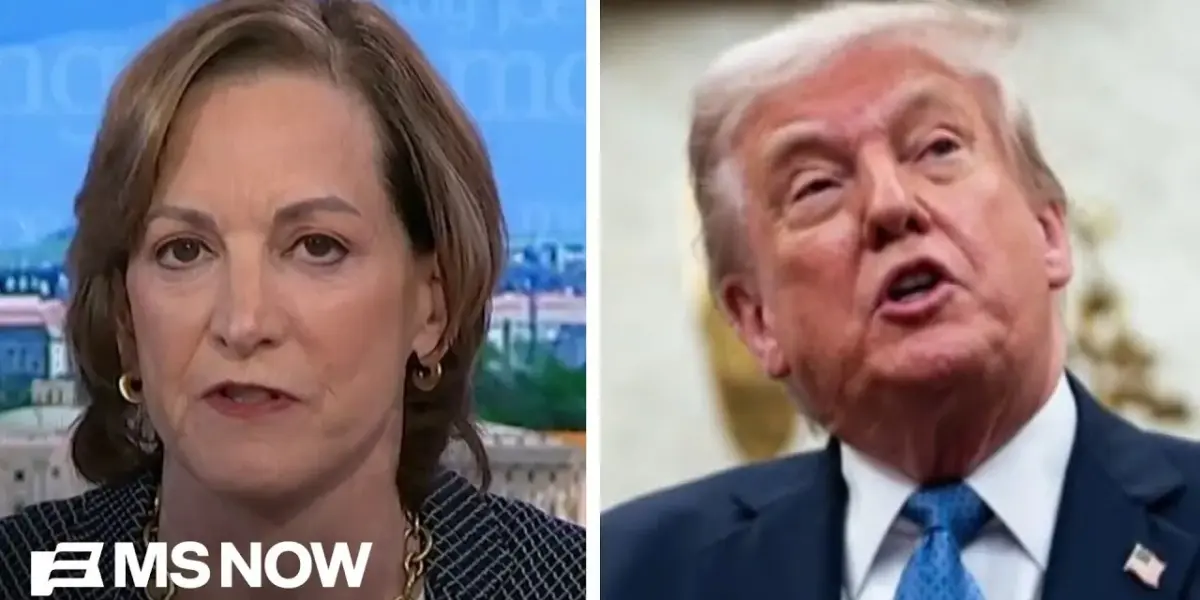
Author Anne Applebaum criticizes President Trump's inconsistent foreign policy, particularly regarding Iran, which has left allies confused and distrustful. His unpredictable actions and shifting explanations strain diplomatic relationships, while concerns grow over Hungary's close ties to Russia and potential US endorsements of its leader.

Trump’s Confusing Iran Strategy Worries European Allies
As the conflict in the Middle East intensifies, a prominent author argues that President Trump’s inconsistent approach to Iran is creating significant problems for his allies. Anne Applebaum, a staff writer for The Atlantic, points out that Trump’s shifting explanations for his actions leave other nations unsure of his goals and strategy. This confusion stems from a perceived lack of memory or concern on Trump’s part regarding his past statements and their impact on international relations.
A Pattern of Unpredictability
Applebaum highlights a pattern of unpredictable behavior that has damaged trust among allies. She recalls an incident where President Trump’s public and private statements about invading Greenland in January convinced Denmark that an invasion was possible. This led to serious discussions within Denmark about how to respond, even considering the possibility of shooting down American planes and the potential loss of life. Similar concerns were shared by other allied nations, creating a backdrop of unease and distrust.
Now, as the situation with Iran escalates, Applebaum notes that allies are expected to support Trump despite his unclear objectives. “Almost every day he has a different explanation for what he wants to happen,” she stated, adding that his stance on alliances and even NATO seems to change frequently. This inconsistency, she believes, is not being taken seriously by those around the President, who seem to act as if his words should always be accepted at face value.
Consequences for Global Diplomacy
The article suggests that this unpredictable approach has tangible consequences. Reporters close to Trump have dismissed concerns about his actions, labeling them as “just Trump being Trump.” However, Applebaum argues that the cost of this behavior is borne by allies. She points to instances like Trump mocking French President Macron in front of other world leaders, contrasting it with his praise for China’s President Xi and his deference to Russia’s Vladimir Putin. This selective approach to international relationships further strains trust.
Even close allies like Italy’s Giorgia Meloni are reportedly finding it necessary to distance themselves from Trump due to his unpopularity. Applebaum explains that in democratic nations, leaders must consider public opinion. Trump’s policies and rhetoric are often unpopular, even among groups theoretically aligned with his MAGA movement. This makes it politically difficult for European leaders to align themselves too closely with him, a stark reversal from previous years.
Concerns Over Hungarian Politics
The discussion then shifts to the political situation in Hungary. Applebaum expresses concern about Viktor Orbán’s upcoming election, suggesting he may be in deeper trouble than previously anticipated. She describes how Orbán has, over his tenure, consolidated power by taking over state institutions, including the judiciary, media, and universities. This has, according to Applebaum, led to increased corruption and made Hungary one of the poorest countries in the European Union.
Instead of addressing these domestic issues, Orbán is reportedly weaving a narrative of a mythical invasion to rally support. Applebaum witnessed this firsthand in Budapest, where posters of Ukrainian President Zelenskyy with slogans like “Don’t let him get the last laugh” were displayed. Despite being behind in some polls, Orbán is expected to take extreme measures to secure his victory, potentially altering election results or creating public outrage.
Russia’s Influence and US Endorsement
The article also touches on Hungary’s close ties with Russia. Reports of intercepted calls between Russian Foreign Minister Lavrov and his Hungarian counterpart suggest open collusion to influence events. Applebaum notes that Orbán has been blocking European funds for Ukraine and sanctions against Russia, often echoing Russian propaganda. The fact that Russia supports Orbán is not surprising, she states.
A significant point of concern is the reported upcoming visit of US Senator J.D. Vance to endorse Orbán. Applebaum finds this move “absolutely unbelievable,” given Orbán’s actions and his alignment with Russian interests. This endorsement, she implies, further complicates the already strained relationships between the US and its European allies.
Source: Anne Applebaum: Almost every day Trump has a different explanation for what he wants in Iran (YouTube)

Related Articles

US Bombs Iran After Peace Talks Collapse
The United States has launched significant bombing raids against Iran following the collapse of peace negotiations. The strikes targeted military sites, industrial areas, and airports, while also leading to the reported deaths of senior Iranian military leaders. Iran continues to fire missiles at Israel and the UAE, indicating a dangerous escalation.
Trump Targets Protesters: Secret Summit Aims to Squash Dissent
Donald Trump is reportedly organizing a secret global summit to label protesters as terrorists and combat "left-wing violence." Critics argue this move unfairly targets dissent and ignores statistics showing greater threats from right-wing extremism. The meeting may include leaders with similar approaches to suppressing opposition.
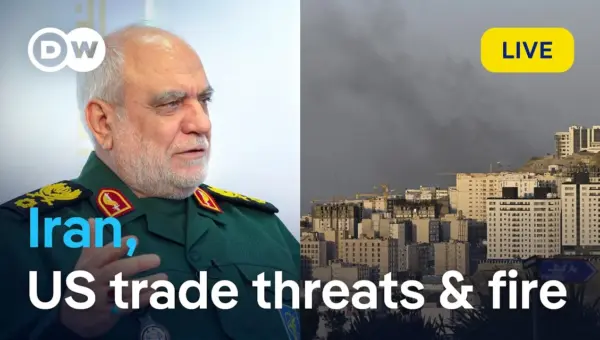
Iran Vows ‘Devastating’ Retaliation Amid Peace Talks & IRGC Chief Death
Middle East tensions are high as a proposed peace deal emerges, aiming for a ceasefire and eventual agreement between the U.S. and Iran. However, Iran has voiced skepticism, viewing the plan as a potential tactic. The situation is further complicated by the reported death of a top Iranian Revolutionary Guard intelligence chief and continued aggressive rhetoric from Tehran.