Trump’s Russia Ties: Decades of Suspicious Russian Interest
New analysis suggests a decades-long pattern of Russian intelligence interest in Donald Trump, potentially grooming him as an unwitting 'asset.' Key events, from business dealings to presidential actions like firing James Comey and siding with Putin, are presented as evidence of manipulation that served Russian interests.

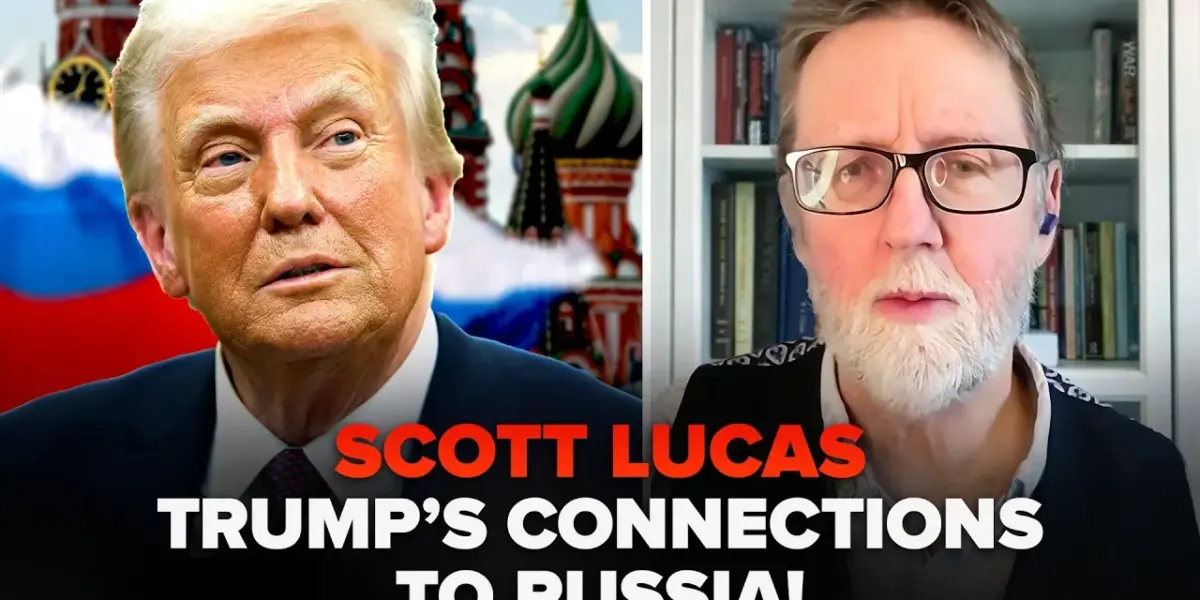
Trump’s Russia Ties: Decades of Suspicious Russian Interest
Allegations and questions surrounding former President Donald Trump’s relationship with Russia have resurfaced, with new analysis suggesting a decades-long pattern of interest from Soviet and Russian intelligence services. The core of the argument posits that Trump may have been an unwitting ‘asset’ for Moscow, manipulated over time due to his business dealings and public statements, culminating in actions that benefited Russian interests.
Defining ‘Asset’ vs. ‘Agent’
The discussion begins by clarifying the terminology often used in intelligence. An ‘agent’ is typically someone who knowingly works for a foreign intelligence service, often for payment or favors. In contrast, an ‘asset’ is someone who may be useful to a foreign power without their explicit knowledge or consent. This distinction is crucial when examining the historical interactions between Trump and entities linked to the Soviet Union and later Russia.
Early Soviet Encounters
According to the analysis, the Czech intelligence services, operating within the Soviet sphere of influence, began cultivating contacts around Donald Trump in the late 1970s. This interest reportedly intensified in the 1980s when the KGB, the Soviet Union’s primary intelligence agency, assigned a field officer in the United States to engage with Trump. These interactions, characterized by flattery and discussions about business, allegedly fostered a sense of connection, with Trump reportedly viewing these individuals as representatives from the Soviet embassy or consulate.
Business Dealings and Financial Vulnerabilities
The narrative suggests that Russian interest in Trump continued through the 1990s and into the early 21st century, a period when Trump reportedly faced significant financial difficulties. A key event highlighted is the 2013 sale of a Florida property. Trump had purchased the property for approximately $40-45 million, but it was in poor condition. A Russian businessman then offered to purchase it for $95 million. This transaction is presented not only as a potential instance of money laundering but also as an opportunity for Russia to increase its leverage or ‘credit’ with Trump, particularly during a time of financial strain for him.
Destabilizing Influence on NATO and Foreign Policy
From the late 1980s onwards, Trump’s public pronouncements on foreign policy, particularly his calls for the U.S. to reduce its involvement in NATO, limit its financial commitments to European allies like Germany, and demand greater contributions from countries like Japan, are viewed as aligning with Russian strategic interests. This stance is described as a potentially ‘destabilizing influence’ on the Western alliance structure that Russia has long sought to undermine.
Post-Presidency Actions Fueling Allegations
The analysis points to specific actions taken during Trump’s presidency as evidence supporting the ‘asset’ theory. The firing of FBI Director James Comey in May 2017 is cited as a pivotal moment. Comey had reportedly refused to pledge loyalty to Trump and to halt investigations into Russian interference in the 2016 election. Trump’s subsequent boast about firing Comey to Russian Foreign Minister Sergey Lavrov and Ambassador Sergey Kislyak during a White House meeting, where he also allegedly shared sensitive intelligence regarding U.S. operations in Syria, is presented as a direct act benefiting Russian knowledge.
“The Russians did not need to pay Donald Trump any money. They did not, at least directly, they did not need to directly say to him, ‘Will you work for us?’ They manipulated him and they still try to manipulate him.”
Choosing Putin Over U.S. Intelligence
A further critical event highlighted is the 2018 Helsinki summit between Trump and Russian President Vladimir Putin. When asked to choose between the U.S. intelligence services’ assessment of Russian interference in the 2016 election and Putin’s denial, Trump publicly sided with Putin. This moment is characterized as a definitive act, aligning with the definition of an asset.
Broader Geopolitical Context: Ukraine and the Middle East
The discussion then pivots to the ongoing conflict in Ukraine and the situation in the Middle East, drawing parallels in diplomatic strategy and potential manipulation. Regarding Ukraine, the analysis suggests that while diplomatic talks are ongoing, a ceasefire is unlikely in the immediate future. The strategy, from Ukraine’s perspective, is to gain political and diplomatic advantage, maintain European support, and demonstrate resilience against Russian aggression, with the hope of outlasting Russia’s economic and military capacity.
In the Middle East, the conflict involving the U.S., Israel, and Iran is described as escalating due to the failure of initial plans to collapse the Iranian regime. The retaliatory actions by Iran have expanded the conflict, and concerns are raised about the tactics employed by the U.S. and Israel, which are likened to Russian tactics in their targeting of infrastructure, potentially alienating the Iranian population.
Economic Repercussions and Political Pressure
The surge in global oil prices, reaching as high as $118 per barrel, is identified as a significant consequence, impacting gasoline, electricity, food, and manufacturing costs worldwide. This economic pressure, particularly rising energy prices, is seen as a potential breaking point for the Trump administration, threatening domestic support and future electoral prospects, especially with upcoming mid-term elections.
The Risk of Instability
The analysis concludes by warning against the pursuit of a ‘short-term loss for long-term gain’ strategy, drawing parallels with Russia’s approach to the war in Ukraine. The potential collapse of regimes, as seen in the hypothetical scenario of Iran, could lead to fragmentation, infighting among various ethnic and political groups, and prolonged instability, echoing the post-2003 Iraq experience. The argument is that without careful political planning, such actions risk creating a power vacuum and a far more chaotic long-term outcome, regardless of initial objectives.
Looking Ahead
The coming weeks and months will be crucial in observing whether diplomatic efforts in the Middle East can de-escalate the current conflict and whether economic pressures will force a shift in strategy. Furthermore, continued scrutiny of Trump’s rhetoric and actions concerning international relations, particularly with Russia, will likely persist, fueled by ongoing analyses of historical patterns and their potential implications for current geopolitical dynamics.
Source: 😱US President Russian ASSET? Questions around Trump’s Inner Circle @WorldatStake24 (YouTube)

Related Articles

G7 Allies Clash Over Iran War Strategy, Urge Focus on Russia
G7 foreign ministers met in Paris, revealing deep divisions over the U.S. war with Iran. European allies urged the U.S. to pressure Russia, linking its actions to the conflict and fearing support for Ukraine will wane.

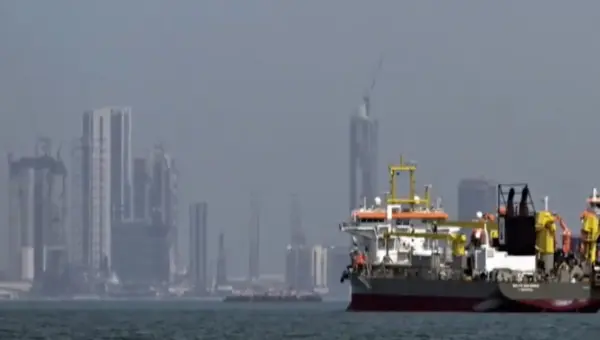
Iran Blocks China Ships, Exposing Beijing’s Weak Grip
Iran's recent decision to block Chinese ships at the Strait of Hormuz is exposing the limits of Beijing's influence in the Middle East. This action is causing delays and cancellations for Chinese manufacturers, turning a perceived geopolitical win into an economic strain.
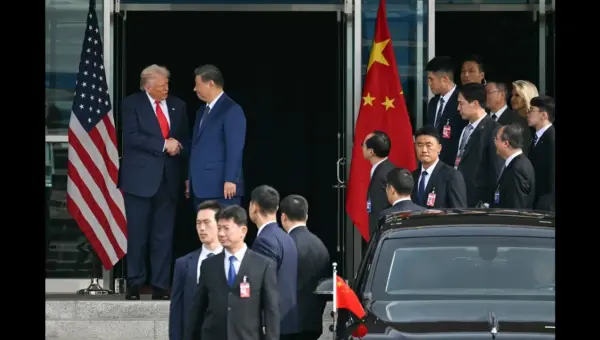
Trump’s “Walk Away” Tactic Signals Tougher Stance on China
Retired Air Force Brigadier General David Stillwell believes President Trump's strategy of being willing to walk away from negotiations puts pressure on China. This tactic, combined with US global actions and strengthened alliances, signals a more assertive American foreign policy.