Trump’s Russia Ties: An ‘Asset’ or Naive Ally?
An in-depth analysis questions Donald Trump's relationship with Vladimir Putin, exploring whether his admiration and past dealings have made him a Russian 'asset.' The discussion covers historical ties, financial leverage, and key moments perceived as beneficial to Moscow, alongside Ukraine's diplomatic efforts and escalating Russia-Iran cooperation.

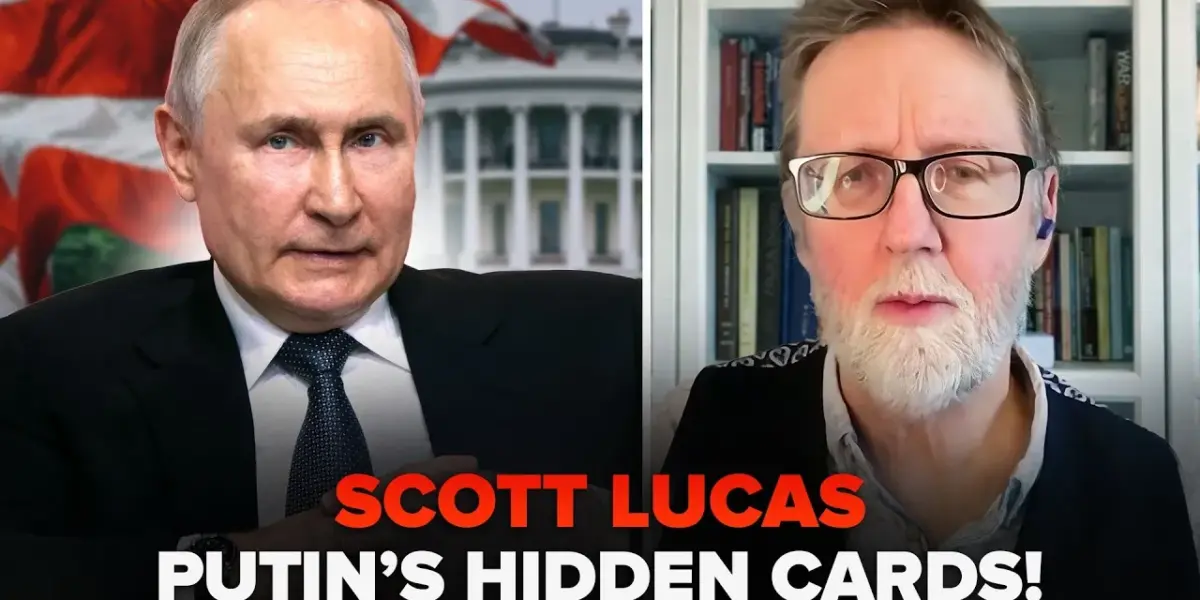
Analysis Questions Trump’s Relationship with Putin
Recent discussions and allegations surrounding Donald Trump’s connections with Russia and Vladimir Putin have intensified, prompting a closer examination of his past dealings and potential influence. While the term “asset” carries specific intelligence connotations, experts suggest that Trump’s actions and perceived affections for Putin may have made him a useful, albeit perhaps unwitting, tool for Russian interests.
Historical Ties and Admiration
Donald Trump’s fascination with Russia and Vladimir Putin dates back decades. The transcript highlights Trump’s long-held ambition to develop property in Russia, including a Moscow Trump Tower, which began in the 1990s. This desire for a significant Russian venture continued into the 2000s. In 2013, Trump brought the Miss Universe pageant to Moscow, reportedly hoping for a face-to-face meeting with Putin. Although Putin could not attend, he sent Trump a handwritten note, an gesture that deeply impressed Trump, leading to him being described as a “fanboy” of Putin.
This admiration, coupled with a perceived belief in Putin’s sincerity, is seen by some as a key factor in Trump’s approach to Russia. An adviser named Steve Wickoff, described as a “real estate developer and supposed envoy,” has stated that Putin is “candid and honest” with him. This sentiment, if conveyed to Trump, could reinforce his positive perceptions of the Russian leader, even in the face of actions like the invasion of Ukraine.
The ‘Asset’ vs. ‘Agent’ Distinction
Distinguishing between a Russian “agent” and an “asset” is crucial in this context. Agents are typically intelligence officers or individuals directly working for foreign services, often for payment or favors. Assets, on the other hand, are individuals who may be useful to a foreign power without necessarily being aware of their role or directly collaborating with intelligence services. The analysis suggests that Trump may fall into the latter category, having been cultivated by Russian and Soviet services since the late 1970s.
The KGB, and later Russian services, reportedly sought to build contacts around Trump. Early interactions involved Soviet embassy officials who engaged with Trump, who, at the time, may have viewed them as merely representatives of a foreign government. However, these efforts continued, with Russian services maintaining contact with Trump and his inner circle. Trump’s own stated foreign policy positions, such as advocating for reduced NATO involvement and demanding financial contributions from European allies, aligned with Russian strategic interests, making him “useful” without direct Russian instruction.
Financial Dealings and Leverage
Financial circumstances have also played a role in Russia’s engagement with Trump. During periods of financial difficulty in the early 21st century, Trump reportedly received a lucrative offer for a mold-infested property in Florida from a Russian businessman for a significantly inflated price. This transaction, while potentially involving money laundering, also served to increase Russia’s perceived leverage over Trump.
Steve Wickoff’s interactions further illustrate this dynamic. Described as “hopelessly naive with the Russians,” Wickoff was reportedly favored by Russian officials over other potential envoys. His tours of Russian manufacturing and high-tech plants, guided by figures like Kirill Dmitriev, Putin’s top financial official, seemingly fueled his enthusiasm for potential US-Russian business ventures. This culminated in an ultimatum to Ukraine, presented by Wickoff and Jared Kushner, which offered significant economic projects contingent on Ukraine’s acceptance of certain terms, with a reported value of $12 trillion.
Key Moments and Perceived Betrayals
Several key events are cited as evidence of Trump’s alignment with Russian interests, even at the expense of US intelligence or policy:
- Firing of FBI Director James Comey (May 2017): Trump reportedly fired Comey for refusing to pledge loyalty and halt investigations into Russian interference in the 2016 election.
- Meeting with Russian Officials: Following Comey’s dismissal, Trump allegedly bragged about it to Russian Foreign Minister Sergey Lavrov and the Russian ambassador, and shared sensitive intelligence regarding US operations in Syria.
- Helsinki Summit (2018): At his first one-on-one summit with Putin, Trump publicly sided with Putin over his own US intelligence agencies when questioned about Russian interference.
These actions, the analysis argues, define Trump as an “asset” because they served Russian interests without direct payment or explicit instruction, but through manipulation and exploitation of his perceived affections and vulnerabilities.
Ukraine’s Diplomatic Maneuvers
In the context of the ongoing war in Ukraine, Ukrainian President Volodymyr Zelensky has deployed interceptor drones and military experts to Jordan to aid in the protection of U.S. military sites. This move is seen as a strategic political calculation by Ukraine, aimed at garnering goodwill and support from the U.S. and its allies, particularly in anticipation of potential dealings with a Trump administration.
While this action might not directly influence U.S. air defense capabilities due to existing shortages, it could enhance Ukraine’s political standing. Ukraine’s proactive role as an ally, demonstrating its capacity and willingness to contribute to regional security, is intended to solidify its position as a reliable partner deserving of continued political and military support, especially concerning air defense and future negotiations with Russia.
Russia-Iran Cooperation and US Response
The report also touches upon the alarming development of Russia allegedly providing Iran with targeting information to aid attacks against U.S. soldiers in the Middle East. While direct confirmation from all sources remains pending, U.S. officials have reportedly shared this intelligence with The Washington Post. The lack of denial from the Trump administration, coupled with dismissive remarks from White House officials and Trump himself, is seen as problematic.
Experts criticize this response, arguing that any indication of intelligence sharing that could endanger U.S. troops should be treated as a hostile act. Instead, the focus within the Trump camp appeared to be on justifying sanctions waivers for Russian oil and downplaying the significance of the Russia-Iran cooperation. This approach is characterized as a departure from reality, prioritizing a narrative of successful conflict resolution and avoiding confrontation with the Kremlin.
Future Outlook and Instability
The ongoing conflict in the Middle East and the stalled negotiations over Ukraine present a complex geopolitical landscape. The analysis suggests that a ceasefire in Ukraine is unlikely to result from military breakthroughs or negotiated settlements but rather from Russia’s eventual economic exhaustion. The current focus remains on outlasting Russia and securing lasting security guarantees for Ukraine.
In the Middle East, the situation is highly uncertain, with escalating attacks and the potential for prolonged conflict. The surge in global oil prices, driven by these events, is highlighted as a potential breaking point for the Trump administration, as it could negatively impact domestic support due to rising inflation and economic slowdown. The long-term consequences of current military actions, particularly in Iran, are also a concern, with the risk of fragmentation and instability if political planning does not accompany military objectives.
Source: ⚡️Russian ASSETS inside US! Trump’s inner circle in Putin’s POCKET. Kremlin’s GAME @WorldatStake24 (YouTube)

Related Articles

Trump’s War Costs Ignite Fury Across Political Divide
As the US expends billions on a new Middle East conflict, questions about cost, rationale, and broken promises ignite fury across the political divide. Even Fox News and conservative figures are voicing concerns, highlighting the growing public unease with escalating warfare.
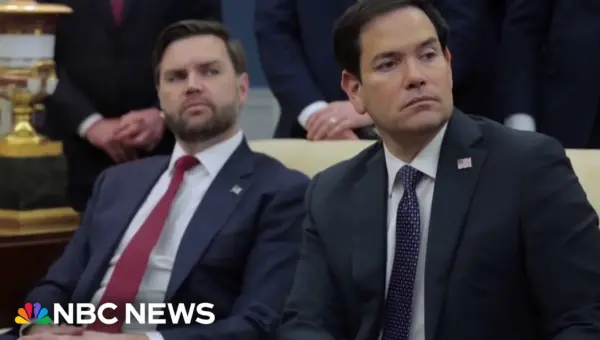
Iran War Boosts Rubio’s Profile Amid 2028 Presidential Race
As the US engages in military action against Iran, Secretary of State Marco Rubio's profile has risen, fueling 2028 presidential speculation. Former President Trump's fundraising poll highlights his focus on succession, while JD Vance remains a strong contender. The duration of the Iran conflict and its impact on public opinion will be key factors.
China’s Iran War Stance: Strategic Restraint Amid Global Rivalry
China's subdued response to the Iran war, despite significant economic ties, highlights a strategic approach prioritizing self-interest over alliance obligations. This calculated restraint, analysts suggest, is part of Beijing's long-term strategy to gain global influence by allowing geopolitical rivals to expend resources.