Trump’s Rhetoric Ignites Global Market Mayhem
Global markets experienced a significant downturn as oil prices surged, exacerbated by geopolitical tensions and Iran's attacks on regional infrastructure. Analysts criticize unclear U.S. policy responses, while former President Trump's rhetoric is seen as dangerously dismissive of the risks.

Global Markets Reel Amidst Escalating Tensions
A seismic shockwave rippled through global financial markets on a recent Monday, with significant downturns observed not only in the United States’ Dow and S&P but across Europe, Asia, and other international exchanges. This widespread market instability coincided with a dramatic surge in oil prices, a critical commodity whose fluctuations have far-reaching economic consequences. Brent crude, the global benchmark for oil, saw a staggering 27% increase in a single day, signaling a profound supply shock.
Analysts Point to Washington’s Unclear Strategy
Market analysts, such as Hale Lima Croft of RBC Capital Markets, have characterized the situation as the “worst oil supply shock since the 1970s.” The focus, according to Croft, is squarely on Washington’s response. The lack of a clearly defined objective for U.S. involvement, coupled with ambiguous policy prescriptions, has amplified market anxiety. The analyst’s statement, “With no clear definition of what winning looks like, it is hard to forecast whether this will be a multi-week or multi-month conflict,” underscores the uncertainty plaguing investors and businesses alike. The transcript highlights a disconnect between optimistic pronouncements from the White House and the stark realities faced by financial markets. As the analysis notes, “Markets don’t care about your talking points. Markets care about reality.” This sentiment suggests that while political rhetoric may appease a domestic base, it fails to sway the objective forces of global commerce.
The Dual Threat: Strait of Hormuz and Regional Attacks
The current oil crisis is not solely attributable to the instability surrounding the Strait of Hormuz, a vital chokepoint through which over 20% of the world’s oil supply transits. An equally significant factor is Iran’s direct targeting of regional oil infrastructure. This strategic decision by Iran, described as a form of economic retaliation, aims to inflict financial pain on a broader scale, rather than focusing solely on direct confrontation with the United States. The transcript clarifies, “Iran’s like, ‘You know what? We’re going to everybody financially. You’re going to hit us. We’re going to start attacking everybody’s oil infrastructure.'” This widespread disruption means that even if transit through the Strait of Hormuz were to be secured, the damage to production and distribution networks would continue to exert upward pressure on prices.
Historical Parallels and Economic Vulnerability
The reference to the 1970s oil shock is particularly salient. The Organization of Arab Petroleum Exporting Countries (OAPEC) oil embargo of 1973, in response to U.S. support for Israel during the Yom Kippur War, led to a quadrupling of oil prices and triggered a global recession. This historical event serves as a stark reminder of how geopolitical conflicts, particularly those involving major oil-producing regions, can have profound and lasting economic repercussions. The current situation, while distinct in its specifics, echoes the vulnerability of global economies to disruptions in oil supply. The transcript’s analogy of being “like a junkie looking for our next fix” vividly illustrates the deep-seated dependence on oil and the desperation that arises when supply is threatened.
Rhetoric vs. Reality: The Perilous Advice
The commentary highlights a concerning exchange between former President Donald Trump and Fox & Friends co-host Brian Kilmeade. Kilmeade, relaying a conversation with Trump, suggested that oil prices would soon decline. Trump’s purported advice to tanker captains was to “show some guts” and proceed through the Strait of Hormuz, asserting that Iran’s naval capabilities were negligible and that their ships had been sunk. He further claimed that Iran had a limited number of operational missile launchers remaining. This pronouncement, characterized by the transcript as telling captains they are “just a bunch of scaredy-cats,” is presented as both dismissive of the real risks involved and irresponsible.
The Dangers of Downplaying Geopolitical Threats
The analysis strongly criticizes this approach, arguing that it dangerously downplays the volatile nature of the region and the sophisticated capabilities of Iran’s asymmetric warfare tactics. The transcript points out the discrepancy between Trump’s assertion that Iran has “no navy” and the reality of ongoing attacks on oil infrastructure. Furthermore, the idea that simply having “guts” would be sufficient to navigate a conflict zone is portrayed as absurd and potentially fatal. The advice, if taken, could lead to further escalation and increased casualties, while the economic consequences would likely persist. The author of the transcript expresses a stark warning to tanker captains: “If I were you, if I were a tanker captain, um, I’d quit.” This extreme reaction underscores the perceived recklessness of the advice and the profound risks involved.
Why This Matters
The events described have immediate and significant implications for the global economy. Rising oil prices translate directly into higher costs for transportation, manufacturing, and consumer goods, contributing to inflation and potentially slowing economic growth worldwide. For consumers, this means higher prices at the pump and increased expenses for everyday necessities. For businesses, it can mean reduced profit margins, supply chain disruptions, and a more challenging operating environment. The geopolitical instability also has broader consequences, potentially leading to increased regional conflicts and a more volatile international relations landscape. The effectiveness and clarity of leadership responses to such crises are paramount in mitigating economic fallout and ensuring global stability.
Implications, Trends, and Future Outlook
The current situation underscores several critical trends. Firstly, it highlights the continued strategic importance of oil and the vulnerability of global supply chains to geopolitical disruptions. Secondly, it demonstrates the power of market sentiment, which can be heavily influenced by both actual events and the rhetoric surrounding them. The disconnect between political messaging and market reality is a recurring theme in contemporary finance. Looking ahead, the resolution of this crisis will depend on a combination of de-escalation efforts, diplomatic solutions, and the ability of major powers to project stability. The long-term outlook may see a renewed push towards energy diversification and a reduction in reliance on fossil fuels, although such transitions are inherently slow and complex. The effectiveness of international cooperation in managing such crises will be a key determinant of future economic and geopolitical stability.
Source: Trump Just Caused TOTAL MAYHEM Across The World (YouTube)

Related Articles
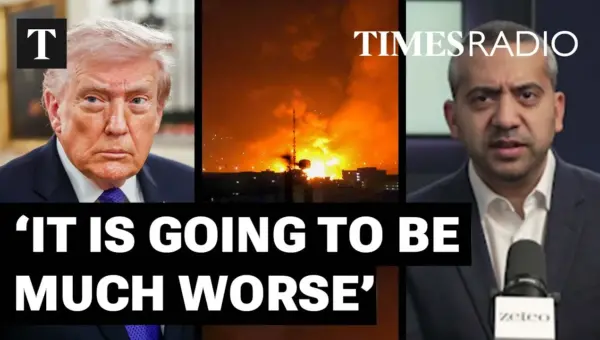
Trump’s Iran War Lacks Plan, Exit Strategy, Analyst Warns
Mehdi Hasan criticizes the Trump administration's military strikes in Iran, labeling the war as lacking a clear plan and exit strategy. He questions the justifications provided, highlighting conflicting narratives and the potential for increased terrorism.

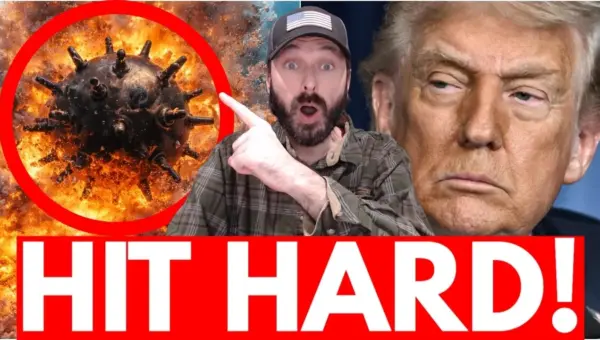
Iran’s Strait of Hormuz Mine Threat: A Dangerous Escalation
Reports indicate Iran has allegedly mined the Strait of Hormuz, a vital global energy chokepoint. This alarming escalation threatens maritime security and global oil supplies, prompting urgent calls for decisive military response and raising fears of wider conflict.
Trump Pushes SAVE Act: Democrats Call It ‘Let Them Eat Cake’ Moment
Former President Donald Trump has made the SAVE Act his top legislative priority, asserting it will guarantee Republican midterm victories. However, Democratic strategists decry the act as voter disenfranchisement, comparing it to a 'let them eat cake' moment disconnected from the struggles of ordinary Americans.