Trump’s Reporter Confrontation: A New Low in Political Discourse?
A recent confrontation between Donald Trump and reporters over fallen troops raises questions about political temperament and respect for sacrifice. The incident highlights the adversarial nature of modern political discourse and the expectations placed upon leaders when discussing national valor and loss.

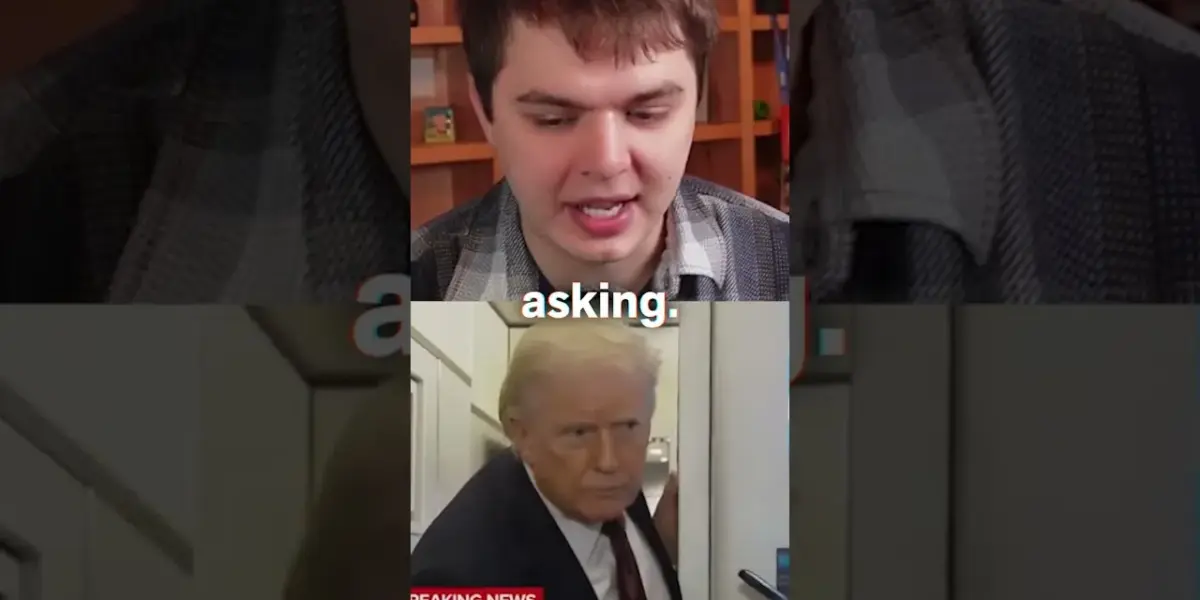
Trump’s Reporter Confrontation: A New Low in Political Discourse?
The recent exchange between former President Donald Trump and reporters, specifically when questioned about fallen troops, has ignited a firestorm of debate. The incident, captured and shared widely, raises critical questions about political temperament, the role of the media, and the respect accorded to those who have made the ultimate sacrifice for their country. While the transcript itself is sparse, the implication of Trump’s reaction to such a sensitive inquiry suggests a pattern of behavior that warrants closer examination.
The Incident and Its Immediate Aftermath
Details surrounding the specific questions posed by reporters and Trump’s exact verbal responses are limited in the provided transcript. However, the description itself, “Trump Snaps at Reporters When Asked About Fallen Troops,” paints a vivid picture of a tense confrontation. The use of the word “snaps” implies an aggressive, defensive, or dismissive reaction. Such a response to a question about fallen soldiers is particularly jarring, given the gravity of the subject matter and the expected decorum in such instances.
Historically, discussions surrounding military service, sacrifice, and the treatment of veterans and fallen soldiers have been areas where political figures often tread with extreme caution. These are typically moments that call for empathy, respect, and a somber acknowledgment of loss. Trump’s alleged reaction deviates sharply from this norm, suggesting a potential disconnect or a deliberate choice to engage in a combative stance even on hallowed ground.
Interpreting the ‘Snap’: Political Strategy or Personal Temperament?
Several interpretations can be drawn from an incident where a political figure “snaps” at reporters, especially concerning fallen troops. One perspective is that it reflects a deeply ingrained personal temperament. Trump has often been characterized by his confrontational style, a willingness to challenge journalistic norms, and a tendency to react viscerally to perceived criticism or difficult questions. In this view, the incident is not an anomaly but a consistent manifestation of his public persona.
Another interpretation leans towards political strategy. Confronting the media, particularly on sensitive issues, can be a calculated move. By appearing to dismiss or attack the premise of the question, a politician might aim to rally their base, portray themselves as an outsider fighting against a biased establishment, or pivot away from an uncomfortable topic. The “fallen troops” question, while deeply emotional, could be perceived by some as a “gotcha” question designed to elicit a politically damaging response. Trump’s alleged reaction could be seen as an attempt to preemptively neutralize such a perceived attack.
However, the ethical implications of using fallen soldiers as a political football, even indirectly, are profound. The families of fallen service members, and indeed the nation, often expect a level of respect and solemnity when discussing such profound sacrifices. Any perceived disrespect, whether intentional or a byproduct of a political strategy, can cause significant pain and outrage.
The Role of the Media and Accountability
The media’s role in questioning political figures, especially on matters of national importance and human sacrifice, is crucial. Reporters are tasked with holding power accountable and ensuring that leaders address difficult issues. The very act of asking about fallen troops is a testament to the media’s function in bringing these somber realities to the forefront of public consciousness. The transcript highlights a situation where the media’s pursuit of information may have clashed directly with the subject’s comfort or willingness to engage.
Trump’s alleged “snap” also brings into focus the broader dynamic between politicians and the press. In an era of heightened political polarization, the relationship is often adversarial. For Trump, the media has frequently been cast as an “enemy,” a narrative that can embolden a combative approach. Yet, when the subject is the sacrifice of soldiers, the stakes of such an adversarial relationship become exceptionally high, touching upon national values and collective memory.
Historical Context: Presidents and Military Sacrifice
Throughout American history, presidents have often used moments involving military sacrifice to project strength, unity, and solemn respect. Think of presidential visits to military cemeteries, speeches on Memorial Day, or remarks following a significant loss of life in service. These occasions are typically marked by carefully chosen words, a tone of profound gratitude, and an acknowledgment of the immense cost of freedom. Figures like Abraham Lincoln, in his Gettysburg Address, or Franklin D. Roosevelt, in his wartime speeches, set a high bar for how leaders should speak about sacrifice.
While political rhetoric has always been a part of the presidential office, the nature of these public moments of remembrance and respect has generally evolved towards greater solemnity and less partisanship. Trump’s reported reaction, if accurate, represents a departure from this established tradition, suggesting a willingness to inject his characteristic combative style into a domain typically reserved for national unity and grief.
Why This Matters
This incident matters because it probes the very essence of leadership and public service. How a leader, particularly a former president who aspires to return to power, responds to questions about those who have died in service to the nation is a significant indicator of their character and their understanding of national values. It speaks to:
- Respect for Sacrifice: The core issue is the level of respect shown to fallen troops and their families. Any response that appears dismissive or aggressive can be deeply hurtful and undermine the national appreciation for military service.
- Political Discourse: The way politicians interact with the media, especially on sensitive topics, shapes the broader public discourse. A combative approach can normalize aggression and discourage respectful dialogue on important issues.
- Accountability and Transparency: While the specific question’s intent is debatable, the reaction highlights the ongoing tension between the public’s right to know and a politician’s desire to control the narrative.
- National Unity: Moments of national mourning and remembrance are often seen as opportunities to foster unity. A divisive or aggressive response can fracture this sense of shared purpose.
Implications, Trends, and Future Outlook
The implications of Trump’s reported behavior are far-reaching. If this incident is indicative of a prevailing attitude, it suggests a future where even the most solemn aspects of public life are subject to aggressive political maneuvering. This trend could further erode public trust in institutions and political figures.
The future outlook depends heavily on how the public and political establishments react. Will such incidents be normalized, or will they serve as a catalyst for demanding greater decorum and empathy from leaders? The digital age, with its rapid dissemination of information and viral moments, means that such exchanges are instantly scrutinized. This immediate feedback loop can either reinforce a politician’s chosen style or create pressure for them to adapt.
Ultimately, the confrontation over fallen troops serves as a microcosm of larger debates about the nature of political engagement in the 21st century. It forces us to consider what qualities we expect from our leaders and how we wish national sacrifice and remembrance to be honored in the public square. The way this incident is processed and remembered will undoubtedly contribute to the ongoing evolution of political communication and leadership expectations.
Source: Trump Snaps at Reporters When Asked About Fallen Troops #politics #fyp #new (YouTube)

Related Articles

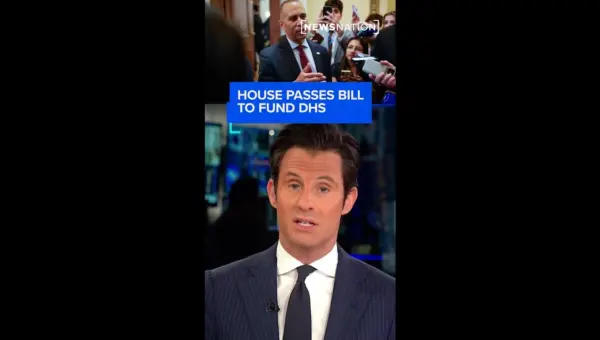
Congress Stalemate Threatens Border Security Funding
The U.S. House passed a temporary funding bill for the Department of Homeland Security, but Senate Democrats are expected to block it. This recurring stalemate highlights deep divisions over border policy and funding, potentially impacting national security and international perceptions of U.S. stability.
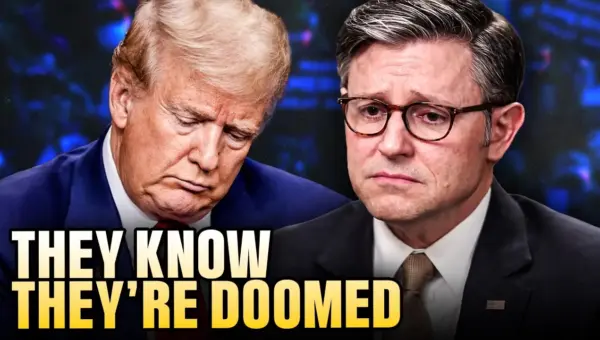
Polls Spell Doom: Republicans Face Voter Backlash
New polling data reveals a sharp decline in public confidence regarding the economic impact of Republican policies, particularly under Donald Trump. A significant majority now feel financially worse off, a trend that is especially pronounced among independent voters. This economic discontent poses a major challenge for the Republican party heading into future elections.

Americans Rally for Democracy Amidst War and Economic Woes
Thousands of Americans are participating in "No Kings" rallies nationwide, demanding accountability from leaders and drawing parallels to historical movements that spurred significant change. The protests occur amidst a controversial war with Iran, economic uncertainty, and a partial government shutdown. Organizers emphasize solidarity, joy, and the power of collective action in defending democracy.