Trump’s Purge: Generals Fired Amidst Escalating Iran Conflict
President Trump has reportedly overseen a significant purge of top military brass amidst an escalating conflict with Iran. The dismissals, affecting over a dozen senior officials, raise concerns about national security, potential political motivations, and the impact on military readiness during a tense international period.

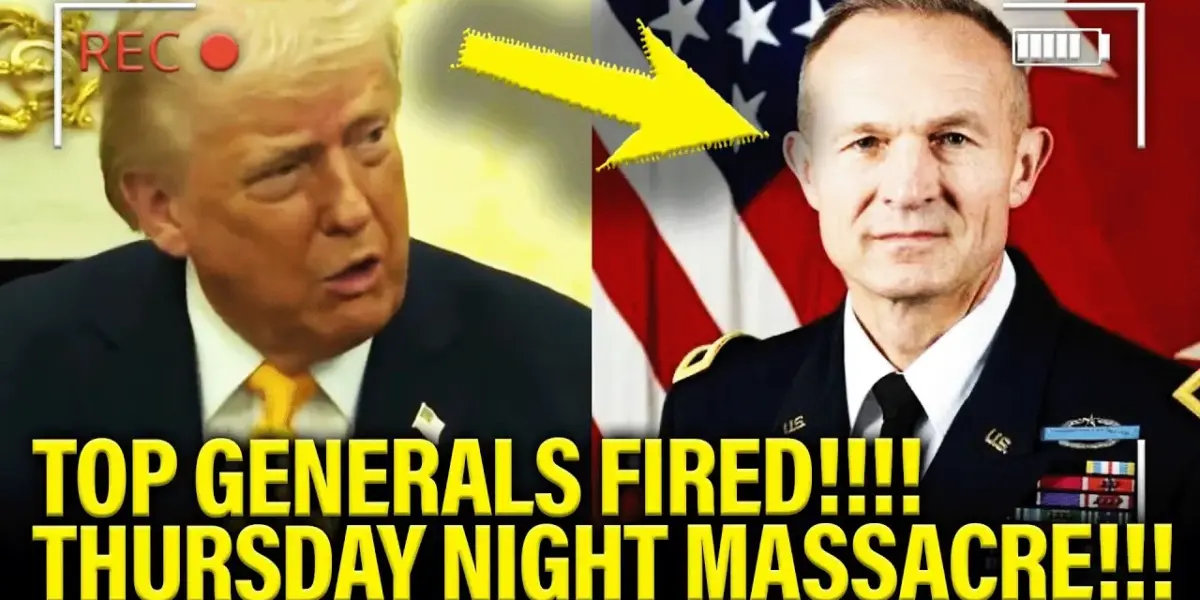
Trump’s Purge: Generals Fired Amidst Escalating Iran Conflict
In a move drawing sharp criticism, President Donald Trump has reportedly overseen a significant shake-up of top military leadership. This wave of dismissals, described by some as a “Thursday night massacre,” has affected numerous high-ranking officials within the Army and other branches. The firings come at a particularly tense moment, as the United States is engaged in what is called a “catastrophic war in Iran.” This internal upheaval raises serious questions about national security and military readiness during a period of international conflict.
Key Figures Dismissed and the Context
Among those reportedly forced into retirement or outright dismissed are Army Chief of Staff General Randy George, the 41st to hold the position. Also mentioned are General David Honey, who led the Army’s transformation and training command, and Major General William Green Jr., head of the Army’s Chaplain Corps. These actions, led by Secretary Pete Hegsith, bring the total number of purged senior military officials to over a dozen. This list includes prominent figures like Admiral Lisa Franchi, Chief of Naval Operations, and General Charles Q. Brown, Chairman of the Joint Chiefs of Staff. The sheer number and seniority of those removed suggest a deliberate and extensive restructuring of military command.
Allegations of Political Motivation and Discrimination
The reasons behind these mass firings are a subject of intense debate. A report from The New York Times suggests that a key factor in General George’s dismissal was his refusal to remove four officers—two Black and two female—from a promotions list. According to the report, General George and Army Secretary Dan Driscoll defended these officers, citing their long and exemplary service and arguing against demotion based on race or gender. This refusal was reportedly viewed as insubordination, leading to their termination. Critics argue this points to a pattern of politically motivated dismissals and potential discrimination, contrasting sharply with established military norms.
Iran’s Capabilities and the War’s Status
The firings occur while US intelligence assesses that Iran still possesses substantial missile launching capabilities. This includes a significant portion of its cruise and ballistic launchers, along with thousands of attack drones. Despite ongoing strikes by the United States and Israel against military targets in Iran for the past five weeks, reports indicate that Iran’s drone and missile arsenal has not been severely degraded. Some estimates suggest only about one-third of Iran’s ballistic missile launchers have been affected. This ongoing conflict, coupled with the internal leadership changes, creates a volatile and uncertain situation.
President Trump’s Rhetoric and Iran’s Response
President Trump himself has been outspoken about the conflict. He posted a video of a destroyed bridge in Iran, calling it “the biggest bridge in Iran” and urging Iran to “make a deal before it’s too late.” This rhetoric has drawn strong reactions from Iran. Iranian social media accounts interpreted Trump’s actions as an admission of targeting civilian positions and questioned the international community’s response to such actions. Iran’s foreign minister also responded by stating that striking civilian structures would not lead to surrender but instead highlighted the “defeat and moral collapse of an enemy.” The situation is further complicated by Iran’s threats regarding the Strait of Hormuz, with reports suggesting they are working with Oman to set transfer fees for ships passing through, potentially barring US and Israeli vessels.
International Reactions and Diplomatic Concerns
The actions have not gone unnoticed internationally. French President Emmanuel Macron has called for a more serious and calm approach, suggesting that daily pronouncements are unhelpful. He emphasized the need for verification and a less confrontational stance, particularly concerning the Strait of Hormuz. Macron stated that forcing the strait open is unrealistic and would be a lengthy and dangerous operation. He also stressed the importance of reopening it in coordination with Iran, rather than through unilateral force. Meanwhile, Gulf Cooperation Council (GCC) countries are reportedly seeking to establish normal relations with Iran and resolve security issues through direct negotiations, indicating a potential divergence from the US approach.
Broader Implications and Future Outlook
This series of events raises significant concerns about the stability of military command and the direction of US foreign policy. The alleged political motivations behind the firings could undermine morale and trust within the armed forces. Furthermore, the escalating conflict with Iran, combined with the internal turmoil, creates a dangerous environment where miscalculation is a real possibility. The differing approaches from international allies like France and regional partners like the GCC countries highlight the complex diplomatic challenges ahead. The proposed $1.5 trillion defense budget also signals a potential shift towards increased military spending and a focus on defense buildup as a central theme.
Why This Matters
The mass firings of senior military leaders, especially during an active conflict, are not merely personnel changes; they are indicators of potential shifts in military doctrine, political influence over the armed forces, and the overall strategic direction of the nation. The allegations of discrimination in promotions, if true, suggest a troubling disregard for meritocracy and equal opportunity within the military. The escalating tensions with Iran, coupled with the internal instability, could have far-reaching consequences for regional and global security. Understanding these developments is crucial for grasping the current state of international relations and the potential trajectory of future conflicts and diplomatic efforts.
Historical Context
While mass firings of military leaders are not unheard of in history, particularly during times of war or significant political upheaval, the scale and alleged motivations behind these recent dismissals are noteworthy. Historically, military leadership is often seen as a stable pillar, even during periods of intense political change. When this perceived stability is disrupted, it can signal deeper issues within the relationship between civilian leadership and the military establishment. The current situation echoes concerns raised in past administrations about the politicization of military appointments and decisions, though the specific context of an ongoing conflict with Iran adds a unique layer of urgency and potential risk.
Trends and Future Outlook
The trend of increased military spending, as indicated by the proposed defense budget, suggests a continued focus on defense capabilities. However, the effectiveness of such spending in a complex geopolitical landscape is debatable, especially when contrasted with diplomatic efforts and the potential for regional de-escalation. The differing approaches among allies and partners in dealing with Iran could lead to a fragmented international response, potentially weakening collective security efforts. The future outlook remains uncertain, with the potential for further escalation in the conflict with Iran, continued internal adjustments within the US military leadership, and ongoing diplomatic maneuvering on the international stage.
Source: Trump PANICS and FIRES GENERALS During WAR!!! (YouTube)

Related Articles

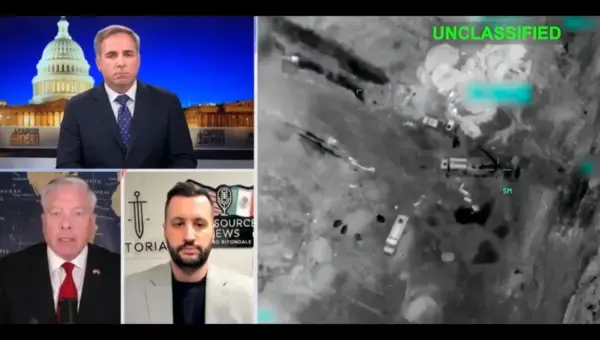
Iran’s Internal Feuds Cripple Its Fight Against US
Internal power struggles within Iran are weakening its ability to confront the US, with different factions fighting each other rather than focusing on external threats. This internal conflict offers strategic options for the US but complicates any potential negotiations.

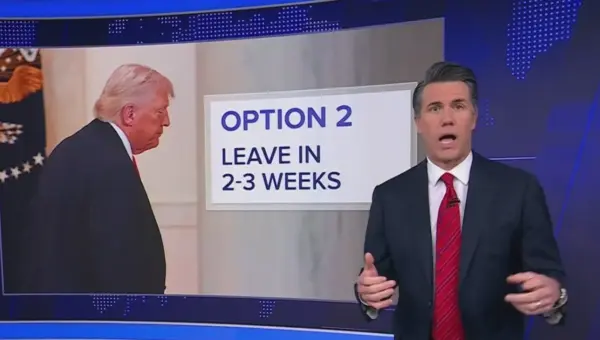
Trump Faces Grim Iran Choices: War, Exit, or Deal
President Trump faces a difficult choice regarding Iran, with limited options including escalating the conflict, withdrawing forces, or negotiating a deal. Each path carries significant risks for U.S. interests, regional stability, and global energy markets.

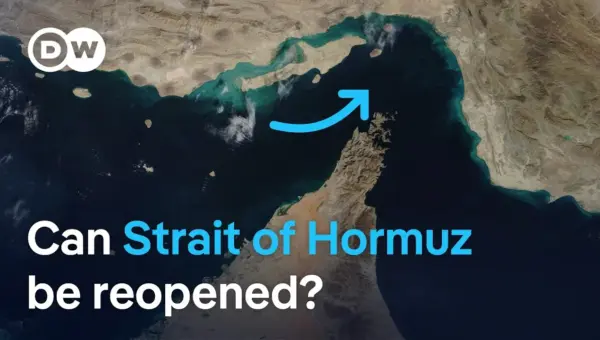
Allies Must Reopen Strait of Hormuz, US Urges
The critical Strait of Hormuz remains closed, impacting global oil prices and trade. Allies are urged to help reopen the vital passage, but military intervention is complex. Experts discuss diplomatic, economic, and military strategies, highlighting the distinction between naval and sea power.