Trump’s Press Conference Sparks Global Unease and Alliance Strain
Donald Trump's recent press conference with Japan's Prime Minister sparked concerns over alliance strain and unclear foreign policy. His remarks, including a reference to Pearl Harbor, highlighted a transactional approach to international relations and raised questions about diplomatic communication and financial commitments.

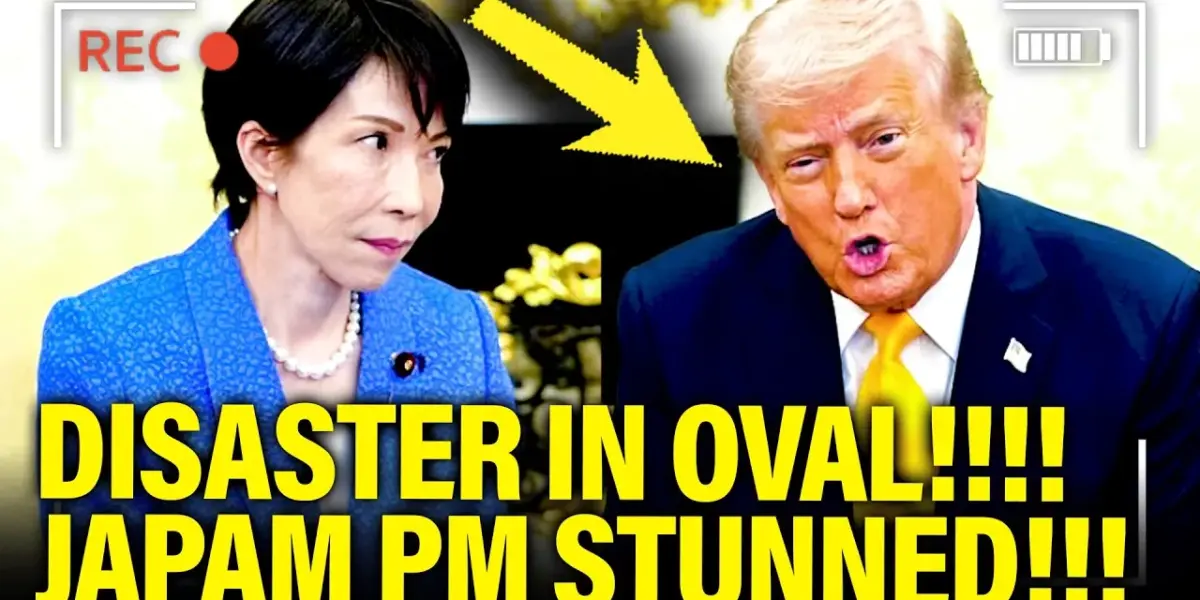
Trump’s Press Conference Sparks Global Unease and Alliance Strain
During a recent press conference in the Oval Office, former President Donald Trump’s remarks alongside Japanese Prime Minister Fumio Kishida raised significant concerns about the stability of international alliances and the clarity of U.S. foreign policy. The exchange, particularly Trump’s reference to Pearl Harbor when questioned about not informing allies of an attack on Iran, highlighted a potential disconnect in diplomatic communication and strategy.
When asked why allies like Japan were not informed about military actions before an attack on Iran, Trump responded by invoking the surprise attack on Pearl Harbor. He suggested that secrecy is key to military success, stating, “Who knows better about surprise than Japan? Why didn’t you tell me about Pearl Harbor?” He argued that informing allies would eliminate the element of surprise, hindering military effectiveness. This approach, while prioritizing tactical surprise, seemed to visibly unnerve Prime Minister Kishida, who appeared uncomfortable with the historical comparison and the implied criticism.
Trump also addressed the issue of NATO’s involvement in defending vital shipping lanes, specifically the Strait of Hormuz. He expressed frustration that NATO allies were not more proactive in defending these routes, which are crucial for global trade and energy supplies. He noted that while these allies are now showing more willingness to help, he feels it is “too late” and their offers of assistance, such as aircraft carriers, are not needed after the immediate conflict has subsided. This sentiment suggests a transactional view of alliances, where immediate, perceived benefits outweigh long-term partnerships.
Historical Context and Alliance Dynamics
The United States has long relied on a network of alliances to project power and ensure global stability. The post-World War II era saw the formation of organizations like NATO and bilateral security agreements with countries such as Japan and South Korea. These alliances are built on mutual defense, shared intelligence, and diplomatic cooperation. Trump’s approach, however, appears to emphasize a more unilateral and transactional relationship, where allies are expected to contribute significantly to U.S. interests, often on demand.
The comparison to Pearl Harbor is particularly sensitive. The attack by Imperial Japan on the U.S. naval base at Pearl Harbor on December 7, 1941, was a pivotal moment that drew the United States into World War II. It remains a symbol of a devastating surprise attack and a stark reminder of the importance of intelligence and communication in international relations. Using this historical event in a press conference setting, especially when discussing current military strategy, risks misinterpretation and can be seen as insensitive to historical trauma.
Economic and Military Spending Concerns
The discussion also touched upon the significant financial commitments associated with military operations. Trump indicated that an additional $200 billion would be needed for the ongoing conflict, framing it as a necessary cost to maintain U.S. military superiority. This figure drew immediate questions from reporters regarding the long-term financial implications and whether such spending aligns with domestic priorities, especially when contrasted with previous debates about funding for social programs like Obamacare.
Trump defended the expenditure by emphasizing the need to remain “tippy tippy top” in military readiness. He also linked the conflict to economic factors, suggesting that an “excursion” into Iran was necessary despite potential negative impacts on oil prices and the economy. He claimed that the economy was strong before the action and that the situation in Iran posed a serious threat that needed to be addressed for global safety. However, this narrative was challenged by reports of continued Iranian military actions, including strikes on energy facilities, suggesting that Iran’s capabilities may not have been as diminished as stated.
Diplomatic Messaging and Misinformation
A recurring theme was the perceived disconnect between Trump’s statements and the reality on the ground. Reports indicated that Iran’s capabilities and its ability to strike targets had actually improved, contradicting claims of widespread demolition. Furthermore, Trump’s assertion that Iran’s oil infrastructure was almost entirely destroyed was questioned, with evidence suggesting ongoing attacks and Iranian resilience.
The press conference also included a discussion about coordinating actions with Israeli Prime Minister Benjamin Netanyahu regarding attacks on oil and gas fields in Iran. Trump stated that he had spoken with Netanyahu and advised against such actions, framing it as an independent decision. However, this exchange raised questions about the level of coordination and potential U.S. involvement in Israeli military operations.
Another point of contention was Trump’s claim that Federal Reserve Chairman Jerome Powell was under investigation due to the high cost of building a new Federal Reserve facility. Trump contrasted this with his own building projects, which he claimed were always under budget and ahead of schedule. This assertion about Powell’s investigation was not supported by public information and appeared to be a personal critique rather than a factual statement.
The Role of Aid and Geopolitical Strategy
The conversation then shifted to the allocation of military aid. When asked about the $200 billion request, Trump suggested that much of the ammunition was being depleted due to aid provided to Ukraine. He criticized the Biden administration’s handling of military assets, stating that they were given away “stupidly.” This statement tied the ongoing conflict in Iran to other geopolitical issues and highlighted a critical perspective on U.S. foreign aid policies.
Finally, the discussion touched upon the role of religion in political discourse, particularly in the context of war. The transcript included commentary criticizing the invocation of religious blessings during discussions of military action, labeling such rhetoric as hateful and despicable. This critique underscored a broader concern about the intertwining of faith and foreign policy, especially when connected to military interventions.
Why This Matters
This press conference, as described, reveals a complex interplay of diplomatic challenges, military strategy, and economic considerations. Trump’s direct and often confrontational style, while appealing to some, risks alienating allies and creating uncertainty about U.S. foreign policy commitments. The use of historical analogies like Pearl Harbor, while intended to make a point, can be interpreted as insensitive and may undermine the careful diplomacy required in international relations.
The financial implications of prolonged conflicts and the demand for increased military spending raise important questions about national priorities and the sustainability of U.S. global engagement. The apparent disconnect between official statements and on-the-ground realities, as well as the personal attacks on figures like Jerome Powell, contribute to an environment of distrust and confusion. The reliance on alliances, while sometimes strained, has been a cornerstone of U.S. foreign policy for decades. Any erosion of these partnerships could have significant long-term consequences for global security and economic stability.
Implications, Trends, and Future Outlook
The events described suggest a trend towards a more transactional and potentially isolationist foreign policy, where alliances are viewed through the lens of immediate national interest rather than shared values and long-term security. This approach could lead to a weakening of international cooperation, making it harder to address global challenges like climate change, pandemics, and economic instability.
The future outlook depends heavily on how diplomatic relations are managed and how communication is conducted on the international stage. A return to more traditional diplomatic norms, emphasizing collaboration and mutual respect, could help to mend strained alliances. Conversely, a continuation of the confrontational rhetoric and unilateral decision-making could further destabilize the global order.
Source: Trump CRASHES OUT in WAR PRESS CONF with JAPAN PM!!! (YouTube)

Related Articles

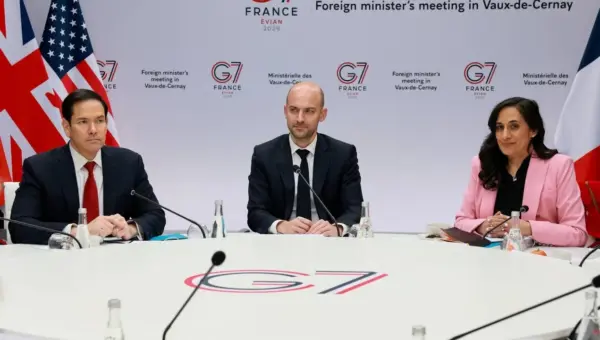
Rubio Puts US First at G7 Summit, Sparks Debate
Secretary of State Marco Rubio attended the G7 summit in France, emphasizing his commitment to serving the American people above all else. The meeting addressed the war in Iran and Russia's role, revealing differing approaches among allies on regional security and the Strait of Hormuz.
Trump’s Name Everywhere: A ‘Stain’ on GOP Legacy?
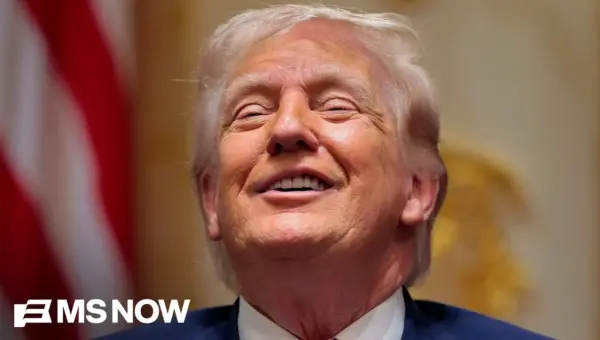
Former President Donald Trump's efforts to brand national symbols, including a proposed signature on dollar bills, spark debate. Critics view this as an authoritarian attempt to embed his legacy, potentially staining the Republican Party's history and contrasting with democratic ideals of public ownership.
Trump’s War Talk Stuns Financial Crowd
Donald Trump's recent speech in Miami focused on his foreign policy, particularly his critical views on NATO and his vision for international relations. He declared the U.S. would no longer defend NATO allies, questioned the value of existing alliances, and suggested renaming the Strait of Hormuz. The speech also touched on his personal views of success, his allies, and his perceived role as a global peacemaker.