Trump’s Polling Plummets Amidst Growing Calls for Systemic Reform, Senator Ossoff Highlights Working Class Betrayal
Donald Trump's polling numbers have reportedly hit historic lows, amidst growing concerns over the defunding of rural hospitals and Medicaid. Senator Jon Ossoff's viral speech highlighting the "betrayal" of the working class has amplified calls for systemic reform, including the newly unveiled "Project 2029" aimed at combating billionaire corruption.


Trump’s Polling Numbers Hit Historic Lows as Political Landscape Shifts
Recent analysis from Adam Mockler, reporting for the MeidasTouch Network, indicates a significant and concerning downturn in Donald Trump’s polling numbers, reaching what are described as historic lows. This sharp decline signals a potential shift in the political climate and raises questions about the trajectory of upcoming electoral contests. While the specifics of the polling data are not detailed in the source material, the assertion of a “complete collapse” and “historic lows” suggests a substantial erosion of support.
Senator Ossoff’s Viral Speech: A Wake-Up Call for the Working Class
Amidst this shifting political landscape, Senator Jon Ossoff has delivered a viral speech that has resonated widely, particularly with the working class. The speech reportedly exposes what is characterized as a “betrayal” of these communities by the current administration. This narrative suggests a growing disillusionment among a crucial segment of the electorate, who may feel that their concerns and economic well-being have been neglected. The emphasis on betrayal implies a breach of trust and a failure to deliver on promises, potentially impacting voter loyalty and electoral outcomes.
The implications of such a speech are far-reaching. For the working class, it offers a voice to their grievances and a potential rallying point for political action. For political strategists, it highlights the critical importance of addressing the economic anxieties and aspirations of this demographic. The virality of the speech indicates that the message has struck a chord, suggesting a fertile ground for political movements that prioritize the needs of everyday Americans. The focus on “betrayal” also suggests a more critical and perhaps confrontational approach to economic policy and its impact on various societal groups.
The Catastrophic Defunding of Rural Hospitals and Medicaid
A significant point of concern raised in the analysis is the “catastrophic defunding of rural hospitals and Medicaid.” This issue strikes at the heart of healthcare access and equity in underserved areas. Rural hospitals often serve as vital community hubs, providing essential medical services to populations that may lack access to care in more urbanized regions. The defunding of these institutions can lead to closures, reduced services, and a critical decline in healthcare accessibility, disproportionately affecting vulnerable populations, the elderly, and low-income families.
The link between the defunding of rural hospitals and Medicaid is particularly stark. Medicaid plays a crucial role in providing health insurance to millions of low-income Americans, including many in rural areas. Reductions in Medicaid funding can strain the finances of rural hospitals, which often rely heavily on Medicaid reimbursements. This creates a vicious cycle where funding cuts lead to hospital instability, further jeopardizing healthcare access for those who depend on these services. The term “catastrophic” suggests a severe and widespread negative impact, potentially leading to increased mortality rates, poorer health outcomes, and a widening of health disparities.
The analysis implies that these funding decisions are not merely budgetary adjustments but represent a fundamental failure to support essential public services. This perspective aligns with the broader theme of betrayal of the working class, suggesting that policy decisions are actively harming the very communities they are intended to serve. The long-term consequences of such defunding could include a decline in the economic vitality of rural communities, increased healthcare costs due to untreated chronic conditions, and a growing burden on emergency services as preventative care becomes less accessible.
Introducing “Project 2029”: A Bold Plan to Combat Billionaire Corruption
In response to these pressing issues, Adam Mockler has unveiled “Project 2029,” a comprehensive plan aimed at eradicating “billionaire corruption” and fundamentally fixing the existing system. While the specifics of this project are not detailed in the provided transcript, the framing of “billionaire corruption” suggests a focus on the undue influence of wealth in politics and policy-making. This perspective posits that a concentration of wealth at the top leads to policies that benefit a select few at the expense of the broader population.
The ambition of “Project 2029” to “fix the system” indicates a desire for deep, structural change rather than incremental adjustments. The proposed timeframe of 2029 suggests a long-term vision and a commitment to sustained effort. Such a project would likely involve a multi-faceted approach, potentially including campaign finance reform, increased regulation of corporate lobbying, and measures to promote greater economic equality. The focus on “billionaire corruption” is a powerful rhetorical tool, aiming to galvanize public opinion against what is perceived as an oligarchical system.
The success of such a project would depend on its ability to articulate clear, actionable steps and to build a broad coalition of support. It would need to address complex economic and political challenges, such as wealth inequality, the concentration of power, and the influence of money in politics. The initiative represents a significant call to action, urging a proactive and systemic approach to addressing what are seen as fundamental flaws in the current socio-economic and political structures.
Broader Implications and the Road Ahead
The confluence of Donald Trump’s declining poll numbers, Senator Ossoff’s impactful speech, the critical issue of healthcare defunding, and the ambitious “Project 2029” paints a picture of a nation at a crossroads. The reported collapse in Trump’s polling could indicate a public weariness with his political brand or a shift in voter priorities towards issues of economic justice and systemic reform. Senator Ossoff’s message, amplified by its virality, suggests a growing demand for political accountability and a renewed focus on the needs of the working class.
The defunding of rural hospitals and Medicaid highlights a tangible crisis in healthcare access, with potentially devastating consequences for millions. This issue serves as a stark reminder of how policy decisions can directly impact the lives and well-being of citizens, particularly those in vulnerable communities. The unveiling of “Project 2029” offers a forward-looking perspective, proposing a radical overhaul of the system to combat perceived corruption and inequality. It represents a desire to move beyond the status quo and to forge a new path that prioritizes the collective good over the interests of a wealthy elite.
The narrative presented suggests a growing momentum for change, driven by a sense of betrayal among working-class communities and a recognition of systemic failures. The coming months and years will likely be characterized by intense political debate and a struggle to define the future direction of the country. The success of any reform movement will hinge on its ability to mobilize public support, offer credible solutions, and effectively challenge established power structures. The call to action, encapsulated in the need to “do this,” implies an urgent necessity for collective engagement and a commitment to building a more equitable and just society.
The platform for this discussion, the MeidasTouch Network, is known for its progressive stance and its commitment to holding political figures accountable. Adam Mockler’s role as a reporter in this context suggests a deep dive into the nuances of these political developments, aiming to provide a critical perspective on the issues at hand. The call for community engagement through various social media platforms further indicates a desire to foster a broader dialogue and to empower citizens to participate in the political process.
Ultimately, the information presented points to a period of significant political and social flux. The challenges are substantial, ranging from the erosion of public trust and the decline of essential services to the pervasive influence of wealth in politics. However, the emergence of initiatives like “Project 2029” and the resonance of messages highlighting working-class concerns suggest a growing desire for a more responsive and equitable system. The path forward will require sustained effort, innovative solutions, and a unified commitment to addressing the deep-seated issues that affect the fabric of society.
Source: We need to do this. (YouTube)

Related Articles


Trump Open to Iran Talks After Attacks, Shifts on Regime Change
President Trump has agreed to negotiate with Iran's new leadership following recent U.S. and Israeli attacks, signaling a potential shift from his regime change objective. The move has drawn scrutiny from former officials who question the strategic coherence of U.S. policy.

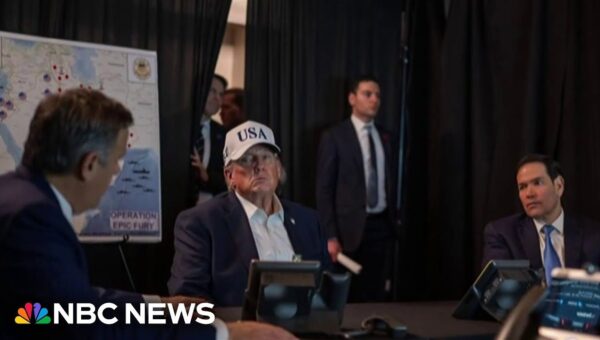
Trump: Iran Strikes Ahead of Schedule, Expects ‘Great Deal for World’
Three U.S. service members have been killed amid escalating conflict with Iran, President Trump confirmed. He stated that strikes are ahead of schedule, with senior Iranian leaders killed, and expressed optimism for a "great deal for the world" despite ongoing talks with Iranian officials.
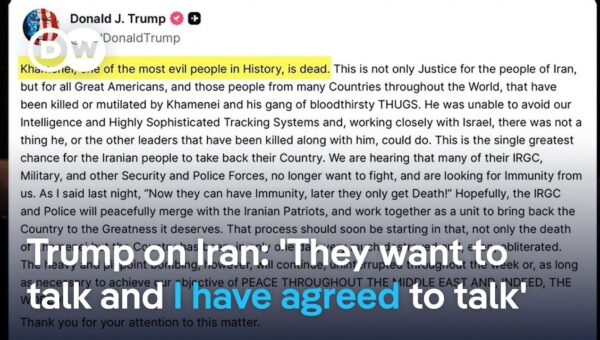
Trump Agrees to Talks with Iran After Major Strikes
President Donald Trump has agreed to talks with Iran's leadership following coordinated strikes that reportedly killed key figures, including the Supreme Leader. While Trump claims significant military successes, U.S. strategy remains unclear, and public opinion shows limited support for the actions amid rising American casualties.