Trump’s Policies Ignite Global Chaos, Self-Inflicted Wounds
This analysis dissects how Donald Trump's policies are allegedly fueling global conflict, economic instability, and domestic crises. It argues that moments of pressure reveal a pattern of reckless decision-making with devastating human and economic consequences, urging collective action to counter perceived anti-democratic trends.

Global Tensions Escalate Amidst Reckless Policy Decisions
The current global landscape appears to be rapidly unraveling, a phenomenon the speaker attributes directly to the “reckless actions” of Donald Trump and, to a lesser extent, Netanyahu. This analysis delves into the cascading consequences of these policies, highlighting a perceived pattern of self-inflicted wounds on the international stage and domestic front.
A Year of Devastation: Beyond the Headlines
The scope of devastation attributed to Trump’s tenure extends far beyond recent conflicts. A stark example cited is the slashing of US aid, a decision predicted to result in 10 to 15 million deaths by 2030, with a tragic 4.5 million being children under five. These are deaths from easily preventable diseases, exacerbated by a lack of medicine and caloric deficits leading to starvation, particularly noted in Sudan. The transcript also points to concerning domestic incidents involving ICE, including the deaths of Renee Good and Alex Prey, and the detention of a five-year-old, Liam Ramos, in deplorable conditions. These events, alongside alleged healthcare cuts and the ongoing Epstein files revelations, paint a grim picture of America’s standing.
Escalation of Conflict: Wars and Posturing
Focusing on the recent past, the analysis highlights a significant escalation in military engagement. The United States has reportedly gone to war with Venezuela and Iran, with further posturing towards Cuba. The question posed is stark: what has been gained from this “death and destruction,” which has reportedly claimed the lives of 175 schoolgirls and six US soldiers? The answer, according to the speaker, is “nothing.” This perceived lack of tangible benefit, coupled with the human cost, fuels the argument that these actions are not only destructive but also strategically hollow.
Crisis as a Magnifier of Flaws
A central thesis is that moments of crisis uniquely expose and exacerbate Trump’s worst tendencies. Drawing parallels to the COVID-19 pandemic, where denial and recklessness allegedly replaced a search for solutions, the speaker argues that under immense pressure, his behavior deteriorates further. This pattern is extended to the 2024 election cycle, where, facing mounting losses and negative news, Trump allegedly resorted to claims of a rigged system, aiming for “maximum destruction of the United States system.” This tendency to lash out when cornered is seen as a recurring theme.
The Illusion of Stasis Shattered
Within certain Gen Z and Millennial communities, a prevailing sentiment has been that despite significant headlines, “nothing ever really shifts.” Wealth inequality persists, stock markets trend upward, and political discourse is dominated by Trump’s pronouncements. However, the speaker asserts that a tangible shift is now occurring. A viral tweet highlighted a “catastrophic morning” where oil prices surged due to a halt in the Strait of Hormuz, leading to unexpected job losses and a market downturn. This event, coupled with subsequent policy decisions, suggests a departure from the perceived political inertia.
A Cycle of Unforced Errors and Funding the Enemy
The narrative deepens with an examination of a specific sequence of events: panic-driven easing of sanctions on Russian oil, which then allegedly enabled Russia to fund Iran’s war efforts. This creates a paradoxical situation where the United States is seen as “effectively funding the enemy in a war that Donald Trump recklessly started.” The average American is waking up to headlines of war and the nation indirectly funding its adversaries, a situation used as a distraction from the ongoing trickle of information from the Epstein files.
Epstein Files: A Microcosm of Pressure and Panic
The Epstein files are presented as a perfect illustration of how Trump reacts under pressure. His perceived discomfort and “squirmy” behavior when the topic arises, leading to lashing out at reporters, is seen as a predictable pattern. The lack of transparency surrounding these files mirrors the broader alleged panic and defensiveness displayed by the administration when confronted with challenging issues. This is characterized as Trump “stepping on the rake and making mistakes” repeatedly.
The Midterms and the Fight Against Anti-Democratic Behavior
Looking ahead to the upcoming midterms, the speaker expresses concern that Trump will actively seek to undermine the election. The call to action is for collective resistance: by banding together and voting in large numbers, the message can be sent that “anti-democratic behavior, his illegal wars, his pedophilic covering up of the Epstein files, his tariffing of every country, his utter destruction of the US economy is not welcome.”
What Truly Wakes Americans Up
The analysis attempts to differentiate between issues that engage political junkies and those that penetrate the broader public consciousness. While international conflicts or specific policy details might not resonate widely, the Epstein files have reportedly broken through, with even casual acquaintances sharing memes about alleged cover-ups. Incidents like ICE “murdering US citizens” also garner significant attention, prompting former educators and others to speak out. However, the ultimate awakeners, it is argued, are tangible economic impacts: spiking gas prices, a plummeting economy, and the commencement of wars. These issues, the speaker believes, open the eyes of Americans on a mass scale.
A Self-Defeating Chain of Events
The transcript concludes by reiterating a specific, mind-blowing sequence of events: Israel dragging the US into war with Iran, leading to oil price surges. Trump then lifts sanctions on Russian oil, which Russia uses to aid Iran, effectively meaning the US funded its own enemy. This is framed not just as a mess or a catastrophe, but an “absolute unforced error” and a “self-defeating chain of events.” The speaker expresses dismay at how many Americans remain unaware of this complex and damaging situation, emphasizing the need for constant reiteration and community building through platforms like Mockler Media to effect change.
Why This Matters
The core of this analysis lies in the assertion that a series of policy decisions, driven by a particular leadership style, are not merely creating geopolitical instability but are actively causing immense human suffering, economic damage, and undermining democratic norms both domestically and internationally. The interconnectedness of these events – from aid cuts to international conflicts, and from economic sanctions to domestic policy failures – suggests a systemic issue rather than isolated incidents. The piece argues that the current administration’s actions are leading to a dangerous and potentially irreversible decline in America’s standing and well-being, driven by what are perceived as reckless, short-sighted, and self-serving decisions.
Implications, Trends, and Future Outlook
The implications are profound: increased global conflict, economic hardship for American citizens, and a potential erosion of trust in democratic institutions. The trend identified is a pattern of crisis management that exacerbates problems rather than solving them, leading to a cycle of escalating negative consequences. The future outlook, as presented, is bleak unless there is a significant shift in policy and leadership, with a strong emphasis on collective action and awareness to counter perceived anti-democratic forces.
Historical Context and Background
While the transcript focuses on recent events, it implicitly references historical patterns of US foreign policy and domestic challenges. The mention of aid cuts echoes past debates about humanitarian responsibility versus national interest. The references to election integrity and undermining democratic processes recall historical periods of political division and challenges to electoral outcomes. The Epstein files, while a contemporary scandal, taps into broader societal concerns about accountability, transparency, and the influence of powerful individuals.
Source: It’s actually happening… (YouTube)

Related Articles
Trump’s War Sparks Public Outrage, Questions Nation’s Strength
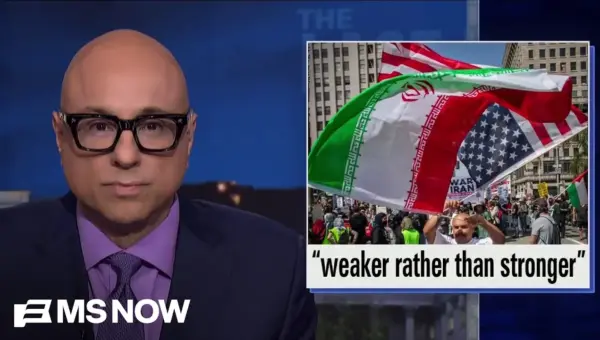
President Trump's initiation of a war with Iran, lacking public support, has sparked widespread concern and damaged national morale. Critics argue the conflict is weakening the U.S. and is driven by a performative display of strength rather than strategic necessity.

Iran War: Regime Change, Not Nukes, Fuels US Conflict
The stated reason for the U.S. war with Iran centers on nuclear threats, but a deeper analysis of recent history and strategic shifts suggests regime change is the primary, unstated objective. This distinction has profound implications for the conflict's duration and global impact.

US Demands Iran’s Surrender Amid Escalating War
President Trump has escalated demands for Iran's unconditional surrender amidst a widening conflict, with new reports suggesting consideration of U.S. ground troops. Meanwhile, escalating airstrikes, including a potential U.S.-linked attack on an Iranian school, and economic turmoil grip global markets.