Trump’s Policies Are Killing the American Dream
Donald Trump once declared the American dream dead, a statement now seemingly validated by hard economic data. Small businesses, long considered the backbone of the U.S. economy, are facing unprecedented challenges, including significant losses from tariffs and increased competition. This decline suggests a fading promise of upward mobility for many Americans.

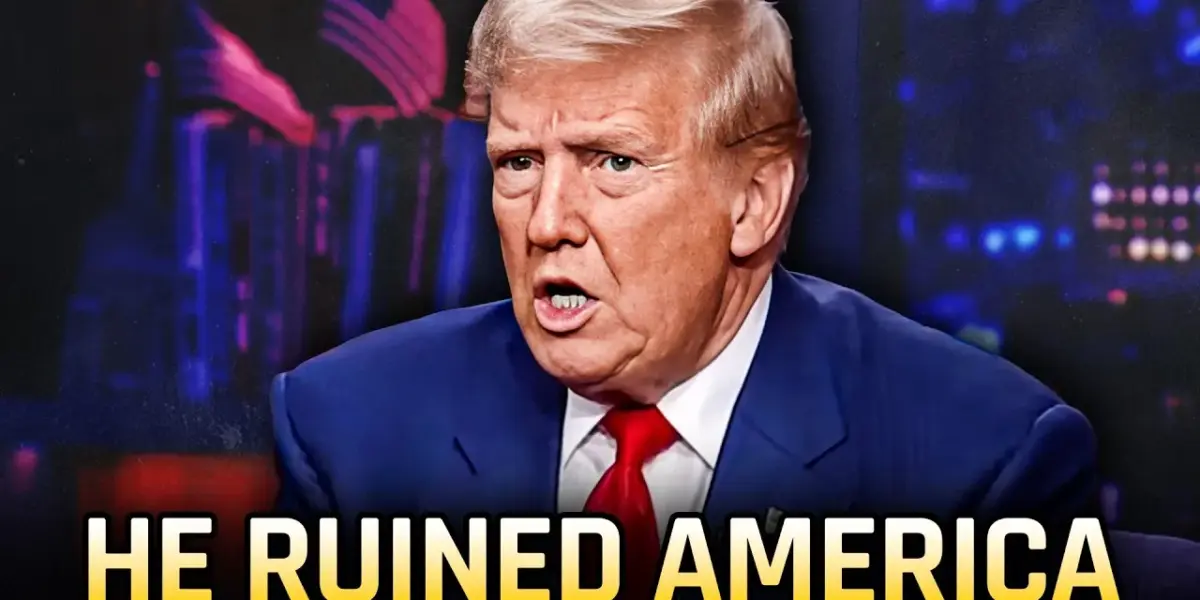
The Fading Promise: How Economic Policies Undermine the American Dream
When Donald Trump first announced his presidential candidacy in 2015, he declared the American dream dead. At the time, the statement, though provocative, didn’t fully resonate with the prevailing optimism. However, years later, a growing body of evidence suggests that Trump’s initial assertion, if repeated today, would be alarmingly accurate. A significant portion of Americans no longer feel optimistic about the nation’s future, with polls indicating a widespread belief that the country is on the wrong path. Beyond mere sentiment, hard economic data now supports this grim outlook, painting a stark picture of a dream in decline.
Defining the Elusive American Dream
The American dream, a concept deeply ingrained in the national psyche, has traditionally been defined by aspirations of upward mobility, homeownership, and the opportunity to build a better life through hard work. For decades, a key component of this dream has been the image of the successful small business owner – the ‘mom and pop’ entrepreneur risking everything to open a local shop or restaurant, often lauded by politicians as the backbone of the American economy. This ideal is frequently showcased in popular culture and championed by political rhetoric, particularly from Republican platforms.
The Unraveling of Small Business
However, the reality for small businesses under the Trump administration has been anything but a dream. Data reveals a troubling trend: in Trump’s first year in office (2017), the majority of job losses occurred within the small business sector. This suggests that the very entities often celebrated as the engine of American prosperity are, in fact, struggling and failing at an alarming rate.
Adding to this crisis, new data from the JP Morgan Chase Institute highlights the devastating impact of Donald Trump’s tariffs on these smaller enterprises. These trade policies, intended to protect American industries, have instead cost small businesses billions of dollars. Faced with increased costs, many were forced to absorb these expenses, pass them on to consumers, or, in the worst cases, close their doors permanently.
The narrative of small business decline is not just an abstract economic theory; it has tangible consequences for local communities and individual livelihoods. The ability of a local restaurant to compete with a national chain offering a cheap, fixed-price meal – like a ‘Chili’s two for $20’ – is severely hampered when the local establishment must contend with higher operating costs, rent, and payroll without the financial backing of a massive corporate entity. This uneven playing field, exacerbated by policies that increase business expenses, leads to the heartbreaking closure of beloved local businesses, eroding the fabric of communities.
Economic Forecasts Cast a Shadow
Despite pronouncements from the administration of an impending ‘Trump boom’ and a ‘golden year’ for the economy, many economists offer a more sobering perspective. Their analysis points towards potential economic slowdowns and even the risk of a major recession. This outlook is underpinned by the expectation that American consumers will have less disposable income, forcing them to become more cautious with their spending.
Historical patterns during economic downturns, such as the latter half of the George W. Bush administration, illustrate this phenomenon. During that period, when economic conditions deteriorated significantly, the sector that experienced the most substantial growth was not small, independent businesses, but large chain retailers like Walmart. These massive corporations, with their vast financial resources and ability to operate on thin margins, or even at a loss on certain items, can weather economic storms far better than their smaller counterparts. Consumers, facing tighter budgets, naturally gravitate towards the lowest prices, further disadvantaging local businesses that cannot compete on cost.
The Stark Reality for the Dreamer
The confluence of rising costs due to tariffs, increased competition from large corporations, and a projected economic slowdown creates a particularly bleak environment for aspiring entrepreneurs and existing small business owners. The promise of the American dream – that hard work and risk-taking will lead to prosperity – appears increasingly out of reach for many. The data suggests that rather than fostering an environment where small businesses can thrive, current economic policies are contributing to their demise, leaving a trail of economic hardship and dashed hopes.
Why This Matters
The erosion of the American dream, particularly as evidenced by the struggles of small businesses, has profound implications for social mobility, economic inequality, and the overall health of the nation. Small businesses are not just economic engines; they are often community anchors, providing local jobs, supporting local charities, and fostering a sense of place. Their decline can lead to hollowed-out downtowns, increased unemployment, and a widening gap between the wealthy and the working class.
Furthermore, the perception that the American dream is unattainable can lead to widespread disillusionment and political disengagement. When individuals feel that the system is rigged against them, and that hard work no longer guarantees a better future, the social contract begins to fray. This can fuel populism, social unrest, and a general distrust in institutions.
Implications, Trends, and Future Outlook
The current economic trajectory suggests a future where large corporations continue to consolidate power, potentially leading to reduced consumer choice and further stifling innovation from smaller players. The trend of small businesses struggling against the might of big-box retailers and online giants is likely to accelerate if policies do not actively support their survival and growth.
The future outlook is contingent on a shift in economic policy. A focus on supporting small businesses through targeted tax relief, deregulation tailored to their needs, and a re-evaluation of trade policies that disproportionately burden them could help reverse the current trend. Additionally, fostering an economic environment that prioritizes consumer spending power without exacerbating inflation will be crucial. Without such interventions, the American dream, once a beacon of hope and opportunity, risks becoming a relic of the past, accessible only to a select few.
Historical Context
The concept of the American dream has evolved significantly throughout U.S. history. Post-World War II, a period of economic expansion and a burgeoning middle class saw a more widespread realization of this dream, characterized by suburban homeownership and stable, often unionized, manufacturing jobs. The rise of small businesses as a symbol of entrepreneurial spirit gained prominence in the latter half of the 20th century, fueled by a belief in individual initiative and free-market principles. However, economic shifts, globalization, and technological advancements have continuously reshaped the landscape, making the dream harder to grasp for many. The current challenges faced by small businesses can be seen as a continuation of these long-term economic transformations, exacerbated by recent policy decisions.
Source: Trump Has Killed The American Dream (YouTube)

Related Articles

Reeves’ Spring Statement: Mixed Economic Signals Spark Political Debate
Chancellor Rachel Reeves' Spring Statement presented a mixed economic picture, highlighting falling inflation and borrowing but also revised lower growth forecasts. Analysts are scrutinizing the OBR figures and the government's narrative amidst public concern over living standards and the rise of radical political parties.

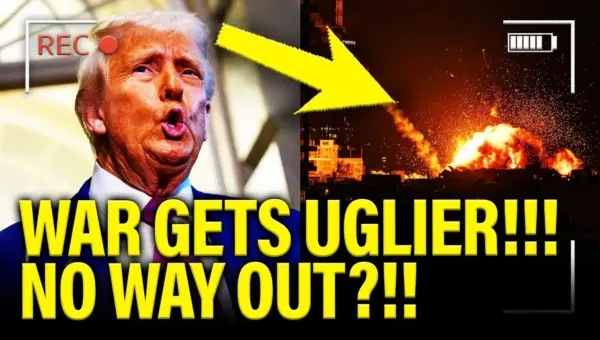
Trump’s Mideast Gamble: War, Evacuation Chaos, and Market Meltdown
Reports indicate escalating conflict in the Middle East, with the U.S. struggling to evacuate its citizens and facing severe market repercussions. The rationale behind recent military actions and their unintended consequences are under scrutiny, highlighting a complex and volatile geopolitical situation.
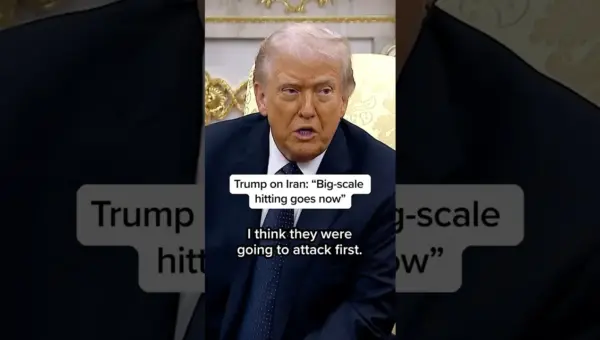
Trump Warns of ‘Big Scale Hitting’ Against Iran
President Donald Trump stated that "big scale hitting goes now" against Iran, signaling a significant escalation amid rising regional tensions. The remarks were made while meeting with German Chancellor Friedrich Merz in the Oval Office, with Trump believing Iran was preparing to attack.