Trump’s ‘Poison Pen’ Threatens US-UK Alliance, Ex-Diplomat Warns
A former US diplomat warns that President Trump's public criticism of allies, particularly the UK, could damage the long-standing special relationship. Despite the harsh words, she believes the alliance will survive Trump but urges Europe to reassess its ties amidst shifting global power dynamics.

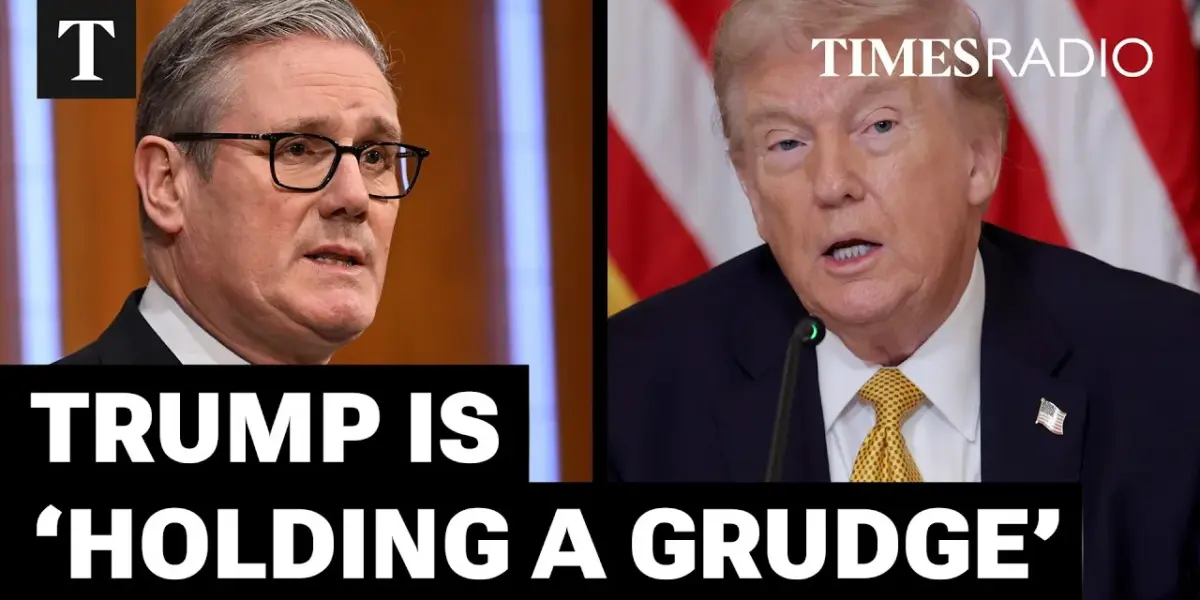
Trump’s Angry Rhetoric Strains Key US-UK Ties
President Donald Trump’s sharp criticism of Britain’s handling of the Iran crisis has raised concerns about the long-standing alliance between the United States and the United Kingdom. Trump publicly described the UK government’s response as “not very happy and terrible” and expressed frustration that the UK was not sending warships as he requested. This public airing of grievances has led to questions about the reliability of the UK as an ally and whether the relationship can recover.
Ex-Diplomat: Relationship Will Survive Trump’s Outbursts
Despite the president’s harsh words, a former US diplomat believes the core of the US-UK relationship will endure. Gina Abercrombie-Winstanley, who served for 30 years as a US diplomat and Middle East specialist, suggested that Trump’s comments, while harsh, are likely to blow over. She pointed to the deep history and shared interests between the two nations, as well as the presence of “calmer voices” within the US government. Abercrombie-Winstanley noted that Trump is also fond of the King and likely does not want to jeopardize an upcoming royal visit.
“The alliance is one of such longstanding. There are many calmer voices around him… and we have such an array of shared interest and ties that yes, this will blow over.”
UK Public Opinion Cool Towards Trump
On the UK side, public opinion towards President Trump is largely critical, with polls showing around 90% disapproval. This presents a challenge for the UK government, which must proceed with an upcoming state visit by the President. The goal is to smooth over the relationship despite domestic sentiment. Abercrombie-Winstanley acknowledged that presidents often see their popularity fluctuate globally, but pointed out that America itself is not as popular among its traditional European allies as it is with Americans. This sentiment highlights a growing disconnect.
Trump’s Broader Criticism of Allies
The criticism directed at the UK is part of a broader pattern of Trump questioning the commitment of US allies. He recently expressed anger at Germany and made lukewarm comments about France, suggesting NATO needs to step up or face consequences. While these comments touch on NATO’s core mission, Abercrombie-Winstanley emphasized the technical distinction that the current Iran situation falls outside the defined scope of the NATO treaty. However, she stressed that the president’s approach often disregards these nuances.
Allies Vital, Even if President Doesn’t See It
Abercrombie-Winstanley defended the importance of allies, even if the president sometimes fails to acknowledge it. She recalled how NATO allies supported the US under Article 5 of the treaty, a fact that Americans recognize. The need to call on allies, even now, demonstrates their value. The diplomat criticized Trump’s lack of preparation, attributing it to arrogance. She explained that no nation, including the US, can go it alone. If the president had done the necessary groundwork, he might have received a different response from allies.
Inconsistent Messaging Erodes Trust
The former diplomat highlighted the confusing and contradictory messaging from the White House. For instance, Trump first stated that Britain’s ships were not needed, only to later criticize the UK for not sending them. This kind of back-and-forth communication, Abercrombie-Winstanley argued, is bound to erode allies’ willingness to support US initiatives. She also mentioned Trump’s past comments about allies holding back in Afghanistan, suggesting this “poisons the well” and negatively impacts public opinion.
US Public Opinion Also Divided on Foreign Conflicts
The impact of Trump’s rhetoric and foreign policy extends to American public opinion. Abercrombie-Winstanley noted that a majority of Americans do not support the current conflict with Iran. If US Marines are deployed, opposition could rise to 75% of the American public. This indicates a clear pattern of global and domestic sentiment turning against certain foreign entanglements, with the exception of Israel.
Shifting Global Power Dynamics and Future Alliances
Looking ahead, Abercrombie-Winstanley suggested that the shifting global power dynamics mean the US-Europe relationship will continue to change, regardless of who is president. She acknowledged that future US administrations, whether Republican or Democratic, might adopt more inward-looking or China-focused policies. This could further strain traditional alliances. Europe, she advised, needs to re-evaluate its relationship with the US and build its future on new foundations, as past pillars of the alliance may not hold.
The constant shifts in global power mean that Europe must critically assess its ties with the United States. The future of this crucial relationship will depend on how both sides adapt to a changing world order.
Source: Has Trump 'Poisoned The Well For The Special Relationship? A Former US Diplomat Explains (YouTube)

Related Articles
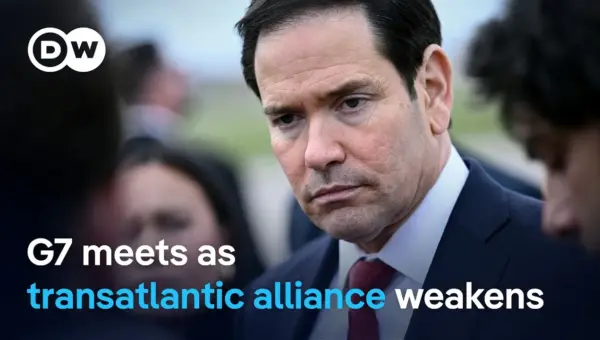
G7 Allies Clash Over Iran War Strategy, Urge Focus on Russia
G7 foreign ministers met in Paris, revealing deep divisions over the U.S. war with Iran. European allies urged the U.S. to pressure Russia, linking its actions to the conflict and fearing support for Ukraine will wane.

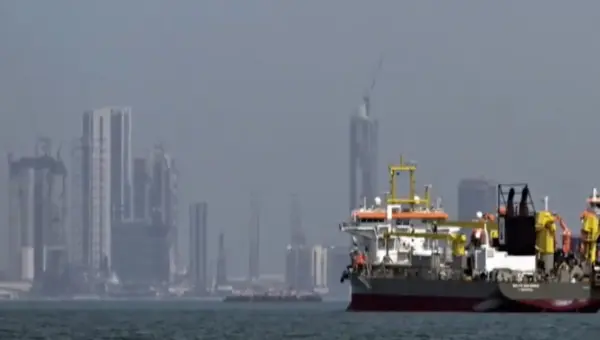
Iran Blocks China Ships, Exposing Beijing’s Weak Grip
Iran's recent decision to block Chinese ships at the Strait of Hormuz is exposing the limits of Beijing's influence in the Middle East. This action is causing delays and cancellations for Chinese manufacturers, turning a perceived geopolitical win into an economic strain.
Trump’s “Walk Away” Tactic Signals Tougher Stance on China
Retired Air Force Brigadier General David Stillwell believes President Trump's strategy of being willing to walk away from negotiations puts pressure on China. This tactic, combined with US global actions and strengthened alliances, signals a more assertive American foreign policy.