Trump’s Phone Habits Risk National Security
President Trump's habit of answering unknown cell phone calls, even from reporters and potential spies, has staffers panicking. This behavior raises serious national security concerns, as he reportedly shares sensitive information, including details about the war in Iran, with inconsistent and sometimes contradictory accounts.

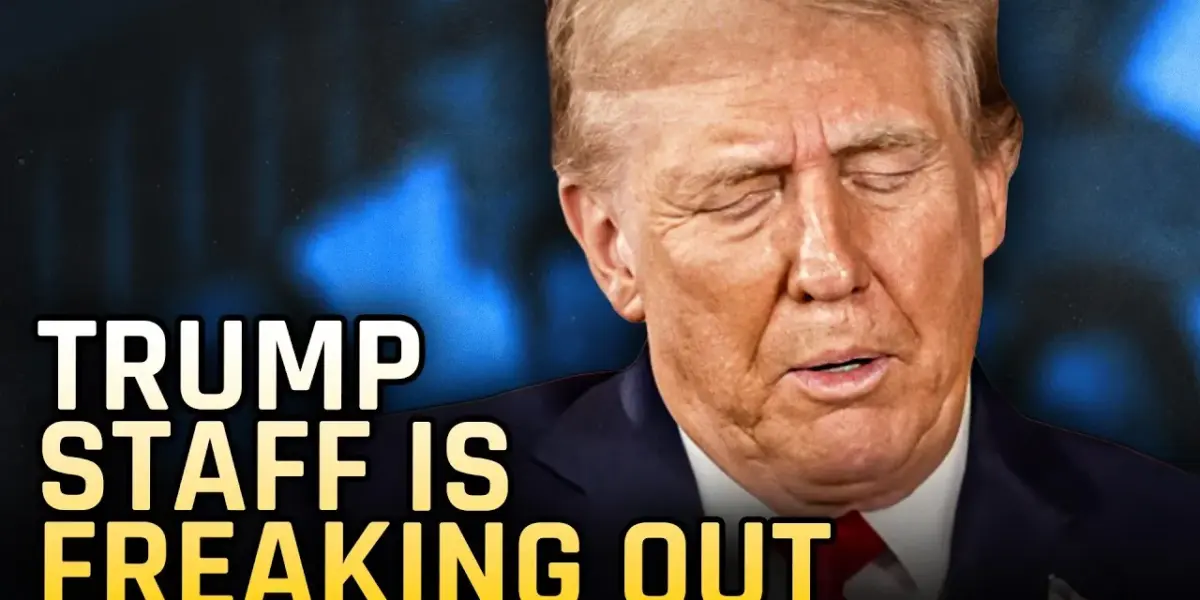
President’s Cell Phone Use Raises Alarms
For months, White House staffers have been deeply worried about President Donald Trump’s habit of answering his cell phone, no matter who calls. This includes unknown numbers, spam calls, and even potential foreign agents. The concern is simple: the President of the United States should be one of the most secure individuals on the planet. Yet, Trump reportedly picks up his phone just because it rings, sometimes believing the caller might be a reporter he wants to speak with.
This behavior has caused significant panic among his staff. They fear that adversaries could easily obtain the President’s number. A spy could then call, pretend to be a journalist, and potentially extract sensitive information. This ongoing worry highlights a serious security lapse at the highest level of government.
Staffers Remain Concerned Amidst Ongoing Risks
As of March 2026, the fear among staffers has not subsided. Despite warnings and attempts to secure presidential communications, Trump continues to answer calls from anyone. This includes spammers, scammers, and foreign spies posing as reporters. The report suggests that Trump answers because the ringing phone makes him feel important and connected.
Journalists have reportedly shared Trump’s cell phone number among themselves. They have been making unsolicited calls, or “cold calls,” to the President. He consistently picks up these calls. Sometimes, he even puts these calls on speakerphone in front of cabinet officials and other staffers. He then discusses sensitive topics, such as the ongoing conflict with Iran, with these callers.
Contradictory Information on Critical Issues
This uncontrolled communication has led to conflicting statements about critical national issues. For instance, Trump has provided at least nine different answers to reporters about when the US military action in Iran might conclude. He told one news outlet it could be over in two to three days. To another, he suggested a period of six weeks. This inconsistency makes it difficult for the public to understand the true situation.
The report from Sema revealed that Trump often puts callers on speakerphone. This occurs in front of large groups, and he seems to enjoy engaging with the reporters. However, the analysis suggests this behavior might stem from something more serious than just amusement or a desire to engage.
Potential Health Concerns and Security Dangers
The author of the original video suggests that Trump’s actions could be linked to cognitive decline, such as dementia. People with dementia may not intentionally try to mislead others. Instead, they might provide different information simply because they cannot recall what they said previously. They might also say things they find amusing, but which are not intended to deceive.
This perspective argues that Trump’s contradictory statements about the war in Iran are not a deliberate tactic. Rather, they are a sign that he may not fully remember previous conversations or understand the implications of his words. Answering unknown calls without understanding the caller’s identity or intent poses a significant danger.
Historical Context of Presidential Security
Historically, presidential communications have always been a major security concern. Modern presidents use highly secured lines and devices to prevent leaks and protect classified information. The idea of a president freely answering an unsecured cell phone is almost unthinkable in a professional national security context.
Previous administrations have implemented strict protocols for handling presidential communications. These measures aim to safeguard national security secrets and prevent foreign interference. The current situation, as described, appears to bypass these established security procedures entirely.
Broader Implications for National Security
The implications of Trump’s cell phone habits extend beyond mere embarrassment or confusion. They represent a tangible risk to the nation’s security. Every time the President answers an unknown call, he could potentially be revealing information to hostile actors. This could involve details about military operations, diplomatic strategies, or intelligence matters.
The fact that his number is being shared among journalists and that he readily engages with them raises serious questions about his judgment and awareness of security protocols. The staff’s ongoing panic underscores the severity of the situation. It suggests a deep-seated concern within the administration about the President’s actions and their potential consequences.
Future Outlook and Recommendations
The future outlook depends heavily on whether President Trump’s communication practices change. If he continues to answer unknown calls and speak openly about sensitive matters, the risks will persist. This could lead to further security breaches or diplomatic incidents.
Ideally, stricter protocols and better training on secure communication should be implemented. Staffers should have more authority to manage the President’s communications to mitigate these risks. The long-term security of the nation depends on ensuring that its leader’s actions do not inadvertently compromise vital interests.
Why This Matters
This situation matters because the President’s words and actions have global consequences. When he speaks about military conflicts or national policy, those statements can influence international relations, financial markets, and public perception. Inconsistent or insecure communication from the President can sow confusion, undermine trust, and potentially embolden adversaries.
The security of classified information is paramount. Allowing unauthorized individuals, including potentially foreign agents, access to the President’s direct line of communication creates vulnerabilities that could be exploited. The safety and stability of the nation rely on secure and consistent leadership, especially during times of international tension.
Source: Trump Staffers Are PANICKING Over His Idiocy (YouTube)

Related Articles

Iran Hacks FBI Chief, Exposing U.S. Cyber Vulnerabilities
A recent hack of FBI Director Kash Patel's personal email by an Iran-linked group highlights Iran's growing cyber threat to the U.S. Experts explain how simple security oversights are exploited, emphasizing the need for basic defenses like two-factor authentication to protect against propaganda and potential infrastructure attacks.

Protesters Challenge Presidential Power, Ignite Debate
Millions are protesting nationwide under the "No Kings" banner, challenging presidential authority and policies they deem unconstitutional. Organizers emphasize First Amendment rights while debating foreign policy, immigration, and the balance of power.

Trump Halts Iran Strikes Amid Stalled Diplomacy
President Trump announced a pause on planned strikes against Iran, citing productive talks, though Iran denies negotiations occurred. Reports also suggest a potential U.S. ground operation on Iran's Hark Island. The situation raises concerns about international support for Ukraine and potential shifts in U.S. foreign policy.