Trump’s Pennsylvania Plunge: A ‘Death Spiral’ in the Keystone State as Voters Revolt Over Affordability
Donald Trump's support is plummeting in Pennsylvania, with a net negative 19.4% approval, reflecting a national trend of declining popularity and concerns over his temperament. The "toxic" MAGA brand is fueling a revolt in key swing districts like Bucks County, where voters are reeling from soaring healthcare costs due to unextended ACA subsidies and economic strain from Trump's tariffs. This pivotal shift, embodied by the heated congressional race in PA-01, signals a critical moment for both Pennsylvania and the broader national political landscape.

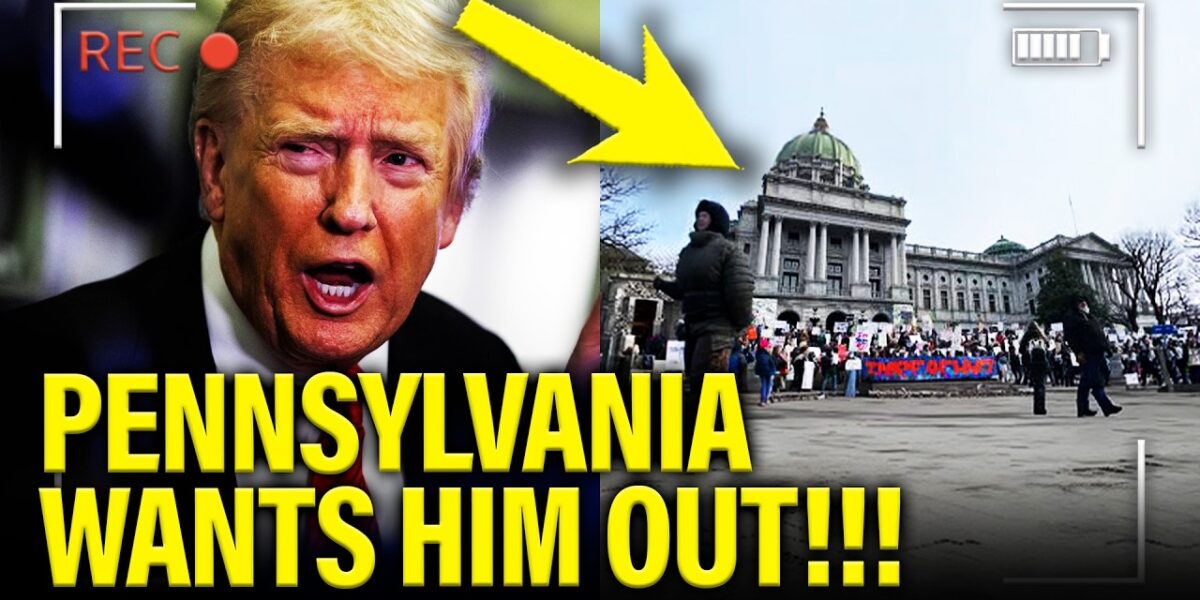
Introduction: The Shifting Sands of Pennsylvania Politics
Donald Trump’s political standing in Pennsylvania, a critical swing state, appears to be in a precipitous decline, facing what some observers are calling a "death spiral." Recent polling data reveals a stark reality: Trump’s net approval rating in the state has plummeted to a staggering negative 19.4%, effectively a net negative 20%. This dramatic shift signals a significant erosion of support, particularly among the crucial moderate and independent voters who often decide elections in the Commonwealth. The "MAGA Republican" brand, once a potent force, is increasingly being perceived as "toxic," creating immense challenges for the Republican Party as it looks towards upcoming midterm elections.
This political unraveling is acutely felt in key battleground areas like Bucks County, home to Pennsylvania’s First Congressional District (PA-01). Often cited with the adage, "as goes Bucks, so goes the country," this district serves as a bellwether for national political trends. The widespread sentiment of disaffection, particularly concerning issues of economic affordability and healthcare, is driving a "complete revolt" against Trump and his aligned political figures. The implications for the Republican Party in Pennsylvania, from congressional races to future presidential contests, are profound, raising questions about the enduring viability of the Trump-era political strategy in a state that has historically proven to be a kingmaker.
A National Referendum: Broader Polling Signals Trouble for Trump
The challenges facing Donald Trump extend far beyond Pennsylvania, reflecting a broader national trend indicated by various polls. These surveys paint a picture of a leader whose appeal has waned significantly since leaving office, raising concerns for his party’s electoral prospects across the country. One telling metric comes from Republican pollster Big Data, whose latest generic ballot poll shows Democrats leading Republicans by a substantial margin of 53% to 41%. This 12-point gap suggests a significant advantage for Democrats in congressional races, reflecting a general preference among voters for Democratic candidates when asked which party they would support for Congress.
Further insights into public sentiment come from a recent YouGov poll, which asked Americans whether Trump’s performance in a potential second term would be better or worse than expected. A mere 25% of respondents believed it would be better, while a significant 51% anticipated it would be worse. This suggests a widespread skepticism about Trump’s capacity to deliver positive outcomes, with more than twice as many Americans expecting a negative rather than positive impact. When directly comparing former President Joe Biden and Donald Trump, the polling indicates that Biden would currently win an election if held today, with 49% of people viewing Biden as doing a better job compared to 41% for Trump. This eight-point lead underscores a perception that Biden is currently seen as a more capable leader by a plurality of Americans.
Perhaps most critically, questions surrounding Trump’s temperament continue to plague his public image. Only 40% of those polled believe he possesses the temperament necessary to be president, while a majority of 54% believe he does not. This persistent concern about his demeanor, often highlighted during his presidency, remains a significant hurdle to broader public acceptance. Collectively, these national polling figures reinforce the narrative of declining support and increasing voter apprehension, suggesting that the "toxic" brand observed in Pennsylvania is part of a larger, nationwide phenomenon.
The Economic Squeeze: Healthcare Costs and Tariffs Batter Pennsylvanians
At the heart of the voter revolt in Pennsylvania, particularly in districts like PA-01, are tangible economic grievances. The rising cost of living, exacerbated by specific policy decisions attributed to Donald Trump and his Republican allies, has become a central point of contention. Two key areas—healthcare affordability and the impact of tariffs—stand out as particularly damaging to the livelihoods of ordinary Pennsylvanians.
The ACA Subsidy Fallout: A Personal Cost
One of the most immediate and painful impacts felt by residents stems from the refusal by Trump and MAGA Republicans, including figures like Representative Brian Fitzpatrick, to extend crucial Affordable Care Act (ACA) subsidies. The ACA, often referred to as Obamacare, was designed to make health insurance more accessible and affordable, with subsidies playing a vital role in reducing premium costs for millions of Americans. When these subsidies are not extended or are cut, the financial burden on families can be catastrophic.
A stark example from Pennsylvania’s First Congressional District illustrates this reality: a couple earning approximately $82,000 annually, who previously paid $523 per month for ACA health insurance, now faces a staggering monthly premium of $1,480. This represents an annual increase of $11,485, or a colossal 183% surge in their healthcare costs. Such an increase can decimate a family’s budget, forcing difficult choices between essential medical care, housing, food, and other necessities. The transcript highlights that this policy choice has directly led to a 15% drop in the number of people signed up for "penny," Pennsylvania’s state-specific Affordable Care Act component, indicating a significant loss of coverage and affordability for many residents. For many, this is not merely a political talking point but a direct assault on their financial stability and access to vital healthcare.
Trump’s Tariffs: A Double-Edged Sword
Beyond healthcare, Trump’s trade policies, particularly his reliance on tariffs, have also drawn strong criticism for their detrimental economic effects. Tariffs, essentially taxes on imported goods, are often implemented with the intention of protecting domestic industries or influencing foreign trade practices. However, as the transcript points out, these tariffs have had unintended and severe consequences for American consumers and businesses alike.
The "tariffs are killing them almost quite literally," as people across the country, including Pennsylvanians, reportedly attest. These import taxes cause prices to surge, not just for imported finished goods but also for input costs for American manufacturers who rely on foreign components. This ripple effect leads to higher consumer prices for a wide range of products, contributing directly to inflation and eroding purchasing power. Moreover, tariffs prevent United States exporters from reaching markets outside the country effectively. When the U.S. imposes tariffs, other nations often retaliate with their own tariffs on American goods, making U.S. products more expensive and less competitive abroad, thereby hurting American businesses and job growth.
The legal standing of some of Trump’s tariff actions has also been challenged. The Supreme Court recently struck down certain tariffs, deeming them unlawful. Yet, immediately following this decision, Trump reportedly revoked the de minimis tariff exemption, which had exempted goods valued at $800 or less from tariffs. He then instituted a new tariff regime under Section 122 of the U.S. Trade Act of 1974, imposing a 10% tariff on every single country for the next 150 days, despite questions about their legality. This aggressive stance on trade has been linked to a significant downturn in his popularity. CBS News polling, for instance, showed a clear "inflection point" after a certain "Liberation Day," where Trump’s net approval rating consistently dipped into negative territory and remained "underwater." This suggests a strong correlation between his tariff policies and a decline in public approval, as voters directly experience the financial fallout.
Bucks County: The Bellwether of a Nation
Bucks County, Pennsylvania, holds a unique and often predictive position in American politics. Situated in the southeastern part of the Commonwealth, it is widely regarded as a quintessential swing county within a quintessential swing state. The phrase "as goes Bucks, so goes the country" is frequently invoked by political strategists and pundits, underscoring its historical accuracy as a microcosm of the national electorate. This reputation is not unfounded; Bucks County’s demographics closely mirror those of the broader American population, encompassing a mix of suburban, exurban, and rural areas, diverse economic backgrounds, and a blend of educational attainment levels.
Pennsylvania itself is a perennially crucial state in presidential elections, often tipping the balance of the Electoral College. Its 20 electoral votes make it a prize for both parties, leading to intense campaigning and frequent visits from presidential candidates. Within this pivotal state, Bucks County has consistently demonstrated its swing-state characteristics, often voting for the statewide winner in presidential elections. Its voters are known for their willingness to split tickets and respond to national trends, making it an ideal barometer for the prevailing political winds.
The current political landscape in Bucks County, characterized by a "complete revolt" against Donald Trump and the MAGA brand, therefore sends a strong signal about broader national sentiment. The county’s shift away from Trump, as evidenced by local election results and the strong challenge mounted by Democratic candidate Bob Harvey, suggests a potential national realignment. If a district as historically indicative as PA-01 turns decisively against a particular political figure or ideology, it often foreshadows similar shifts in other competitive districts across the United States. The intense focus on this single congressional district, described as akin to a "modern presidential campaign," highlights its perceived importance in understanding and shaping the national political narrative.
Project 2025: A Warning from the Democratic Front
The political battle in Bucks County and across Pennsylvania is not merely about individual policies or personalities; it is also framed by a larger ideological struggle, particularly concerning the future direction of the country. California Governor Gavin Newsom delivered a poignant warning in Bucks County, highlighting the existential stakes of the upcoming elections and specifically referencing "Project 2025." Newsom characterized this initiative as a blueprint for "America in reverse," a plan that, if implemented, would "roll back the last half century" of progress and revert the nation to a "pre-1960s world."
Project 2025, a comprehensive effort by conservative organizations, aims to prepare a conservative presidential administration for a rapid and sweeping implementation of its agenda from day one. While its proponents argue it is about restoring constitutional governance and efficiency, critics like Newsom view it as a radical agenda that threatens established rights and democratic norms. The specter of "rights regressions" — a rollback of civil liberties, reproductive rights, environmental protections, and other advancements made over decades — is a potent concern for many voters. Newsom’s warning to the people of Bucks County was that Trump’s agenda, whether explicitly tied to Project 2025 or not, would make things "less affordable, not more affordable," directly connecting the broader ideological vision to the immediate economic anxieties of the electorate.
This framing elevates the local congressional race in PA-01 beyond typical political skirmishes. It positions the district as "the front lines of that opposition," a critical bulwark against a potentially transformative and, for many, alarming shift in national governance. The debate around Project 2025, even if Trump himself has tried to distance himself from it, serves as a powerful narrative tool for Democrats to mobilize voters by emphasizing what they perceive as the fundamental threats to the country’s direction and individual freedoms under a future Trump administration.
The Battle for Pennsylvania’s First Congressional District (PA-01)
The contest for Pennsylvania’s First Congressional District is shaping up to be one of the most closely watched and fiercely contested races in the country. It pits an incumbent Republican, Brian Fitzpatrick, against a formidable Democratic challenger, Bob Harvey, with both national parties pouring resources into this bellwether district.
Representative Brian Fitzpatrick: The ‘Moderate’ Under Scrutiny
Congressman Brian Fitzpatrick, the Republican incumbent, has long cultivated an image as a moderate, often attempting to distance himself from the more extreme elements of his party. He frequently presents himself as a bipartisan actor, co-sponsoring Democratic bills and expressing concern over issues like affordability. However, this carefully crafted image is increasingly coming under fire, with critics arguing that his voting record tells a different story.
Fitzpatrick’s perceived alignment with the MAGA agenda, particularly on critical votes, has led to accusations that he has "enabled pain and suffering" in his district. A key point of contention is his stance on healthcare. While he claims to recognize the affordability crisis and even voted against the repeal of the ACA during his freshman term, he has not supported the extension of vital ACA subsidies, contributing directly to the skyrocketing healthcare costs faced by his constituents. His challenger, Bob Harvey, critically points out Fitzpatrick’s lack of a "better alternative" to the ACA, despite his criticisms of the existing system. This inconsistency highlights a struggle to reconcile a moderate public persona with votes that align with the more conservative wing of his party. Furthermore, Fitzpatrick’s alleged failure to hold in-person town halls for nine years has fueled accusations that he is disconnected from the everyday concerns of the people he represents, making him vulnerable to charges of accountability.
Challenger Bob Harvey: A Local Record of Democratic Wins
Challenging Fitzpatrick is Bob Harvey, a long-time Bucks County resident with a deep background in public service and education. A social studies teacher for 26 years, Harvey has served on the Bucks County Board of Commissioners since 2019, first as Chair and currently as Vice Chair. His tenure as commissioner is marked by significant political achievements: he successfully flipped his township to Democratic control and, notably, led the effort to flip Bucks County itself to Democratic control for the first time in 40 years. His re-election in 2023, alongside his running mate, marked the first time since the Civil War that Democratic commissioners were re-elected in Bucks County, demonstrating his strong local appeal and organizational prowess.
Harvey’s campaign is built on a platform of addressing the direct impacts of current policies on working families. He highlights the "American Dream dying" for many, particularly concerning housing affordability. He notes that even college-educated young adults with good jobs, like his own children, cannot afford to buy homes in Bucks County, a problem he directly attributes to policies favoring billionaires over "businessmen and carpenters and teachers." He also points to significant cuts in federal funding for essential services, including emergency management, election security, and social services, which further strain county resources and impact residents’ well-being. Harvey positions himself as a champion for the middle class, contrasting his record of delivering local results with Fitzpatrick’s perceived legislative inaction and alignment with policies that hurt constituents. A poll conducted by Governor Shapiro’s polling company in October showed the race tied, giving Harvey significant confidence in his ability to flip the district.
The High-Stakes Campaign: A ‘Modern Presidential Race’
The intensity of the PA-01 race is unprecedented for a congressional district. It has been described as resembling a "modern presidential campaign," with both sides pouring millions of dollars into advertising, mobilization efforts, and ground operations. The MAGA movement, with figures like Scott Presler actively campaigning in Bucks County, is heavily invested in retaining the seat, seeing it as a critical frontline in the national political battle. This influx of funding and organizational support underscores the high stakes involved, as the outcome of PA-01 could have significant implications for the balance of power in the U.S. House of Representatives.
For Democrats, flipping this seat is seen as crucial for securing a Democratic House majority and, as Bob Harvey articulates, "putting our country back together again." The race is framed as a test of accountability for incumbents, a referendum on the direction of the Republican Party, and a battle for the economic future of everyday Americans. The sheer volume of resources and attention directed at this single district reflects its symbolic and strategic importance, making it a microcosm of the larger political struggles gripping the nation.
The Human Cost: Voters Grapple with Economic Hardship
Beneath the political rhetoric and polling numbers lies the tangible reality of economic hardship for many Pennsylvanians. The policies enacted or supported by the Trump administration and its allies, particularly on healthcare and trade, have translated into real-world struggles for families and individuals. The dramatic increase in healthcare premiums, as exemplified by the couple facing a 183% surge, forces painful decisions, often leading to delayed medical care or crushing debt. For those earning middle-class incomes, the promise of affordable healthcare has been replaced by a daunting financial burden.
The impact of tariffs, driving up prices for everyday goods and essential inputs for businesses, further squeezes household budgets. The "affordability crisis" is not an abstract concept but a daily challenge, affecting everything from groceries and fuel to housing and childcare. Bob Harvey, as a county commissioner, consistently hears from constituents grappling with these issues. He notes that the "American dream is dying" for a generation, particularly for young, educated individuals who find homeownership an increasingly unattainable goal in Bucks County and surrounding areas. This erosion of economic opportunity and stability fuels a deep sense of betrayal and frustration among voters, who feel that promises made have not only gone unkept but have actively worsened their situations. Cuts to federal funding for vital social services, emergency management, and election security further compound these challenges, leaving local communities with fewer resources to address pressing needs. The sentiment is that the focus has shifted away from the needs of working families and towards the interests of the wealthy, leaving many feeling abandoned and struggling to make ends meet.
Conclusion: A Pivotal Moment for Pennsylvania and Beyond
The political landscape in Pennsylvania, particularly in the critical bellwether of Bucks County, represents a microcosm of the broader challenges facing the Republican Party and the enduring legacy of Donald Trump. The significant decline in Trump’s approval, coupled with widespread voter dissatisfaction over economic affordability and healthcare, signals a potentially transformative moment for the Keystone State and, by extension, the national political arena.
The battle for Pennsylvania’s First Congressional District embodies the high stakes of this shift. Democratic challenger Bob Harvey, with a proven track record of local electoral success and a platform focused on tangible economic relief, is mounting a formidable challenge against incumbent Brian Fitzpatrick, whose "moderate" image is increasingly at odds with his voting record. This race is not just about one congressional seat; it is a referendum on accountability, the direction of national policy, and the very definition of the "American Dream." As voters in Bucks County and across Pennsylvania grapple with rising costs and a perceived rollback of essential protections, their decisions in the upcoming elections will send powerful signals about the future trajectory of American politics, determining whether the current "death spiral" for Trump and his allies becomes a lasting political reality.
Source: Trump faces DEATH SPIRAL as ALL SUPPORT LOST…IN PENNSYLVANIA!! (YouTube)

Related Articles


Trump Open to Iran Talks After Attacks, Shifts on Regime Change
President Trump has agreed to negotiate with Iran's new leadership following recent U.S. and Israeli attacks, signaling a potential shift from his regime change objective. The move has drawn scrutiny from former officials who question the strategic coherence of U.S. policy.

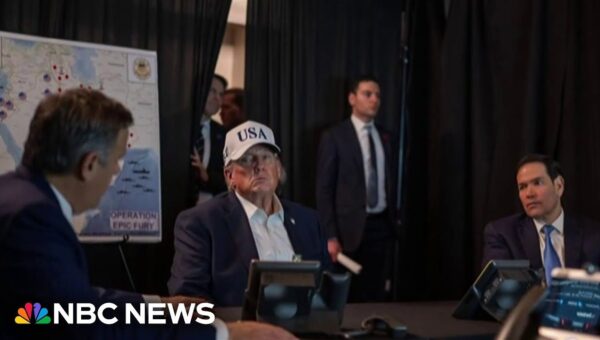
Trump: Iran Strikes Ahead of Schedule, Expects ‘Great Deal for World’
Three U.S. service members have been killed amid escalating conflict with Iran, President Trump confirmed. He stated that strikes are ahead of schedule, with senior Iranian leaders killed, and expressed optimism for a "great deal for the world" despite ongoing talks with Iranian officials.
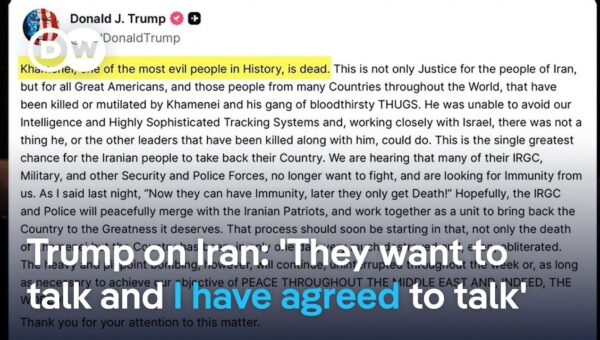
Trump Agrees to Talks with Iran After Major Strikes
President Donald Trump has agreed to talks with Iran's leadership following coordinated strikes that reportedly killed key figures, including the Supreme Leader. While Trump claims significant military successes, U.S. strategy remains unclear, and public opinion shows limited support for the actions amid rising American casualties.