Trump’s Pearl Harbor Remark Stuns, Reveals War’s Real Cost
Donald Trump's controversial Pearl Harbor remark during a meeting with Japan's Prime Minister highlights his unconventional approach to diplomacy. This incident, coupled with rising gas prices and stock market declines, raises serious questions about the real-world costs of escalating geopolitical tensions and the competence of leadership in navigating complex international crises.

Trump’s Pearl Harbor Remark Stuns, Reveals War’s Real Cost
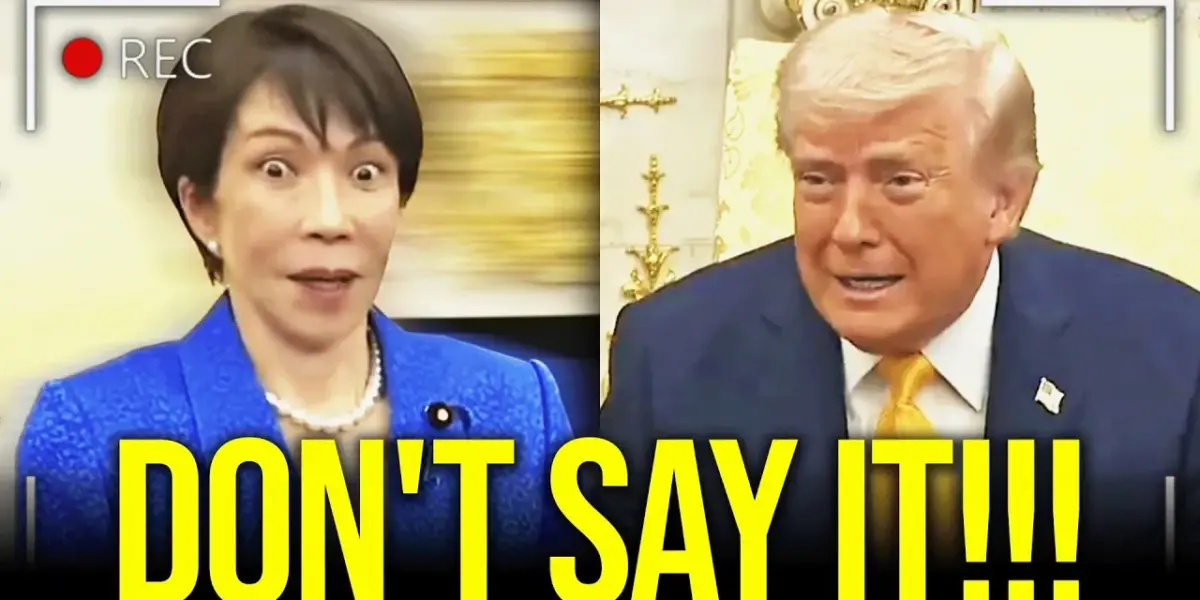
In a recent Oval Office meeting, former President Donald Trump made a remark that left many stunned, particularly the Prime Minister of Japan. When asked why allies weren’t informed about a potential new conflict with Iran, Trump invoked Pearl Harbor. He suggested that Japan, having experienced surprise attacks, would understand the need for secrecy. This comment, intended as a zinger, landed with a thud, causing visible shock to the Japanese leader and sparking widespread criticism.
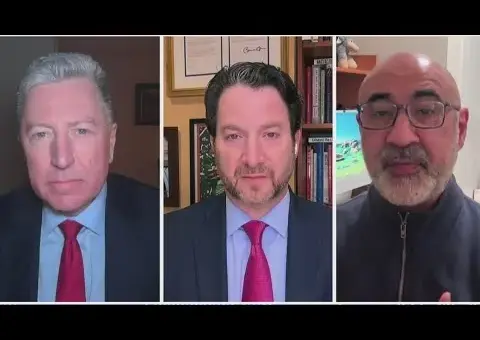
The speaker in the video pointed out the irony and inappropriateness of the Pearl Harbor reference. Japan was an enemy during World War II, so of course they didn’t warn the U.S. about their attack. Today, however, Japan is an ally. The expectation is that allies would be informed of significant military actions. Trump’s analogy missed the mark, highlighting a disconnect in how he views international relations and the gravity of potential conflict.
Global Tensions and Economic Fallout
Beyond the surprising comment, the discussion focused on the broader implications of escalating tensions with Iran. The speaker emphasized that such conflicts bring immense human suffering. Reports indicate over 1,000 people have already been killed in Lebanon since the conflict began, many of them innocent civilians. This human cost, the speaker argued, makes lighthearted remarks in the Oval Office deeply inappropriate.
Furthermore, the economic consequences are significant. The stock market, a key indicator often cited by Republicans, has been falling. The Dow Jones, for example, has seen a noticeable decline. This contrasts with claims of economic strength and raises questions about the stability of the global economy amid these geopolitical developments. The speaker also highlighted rising gas prices, noting a jump from below $3.40 during the previous administration to nearly $3.90, with predictions of further increases.
An ‘Infantile Mindset’ and Unforced Errors
The speaker described Trump’s approach to foreign policy as having an “infantile mindset.” This was illustrated by his shifting strategy regarding the Strait of Hormuz. Initially, he sought to build a coalition to protect shipping routes. However, he then seemed to backtrack, suggesting he didn’t need international help. This perceived inconsistency and lack of clear strategy were seen as problematic, especially when dealing with volatile regions.
The economic situation is presented as a result of “unforced errors.” Unlike external factors like the COVID-19 pandemic or the invasion of Ukraine that affected the previous administration, the current economic instability is linked to intentional actions like imposing tariffs and initiating conflicts. These deliberate choices, the speaker argued, are directly contributing to the stock market’s decline and economic uncertainty.
Questions of Competence and Strategy
The video also raised concerns about the competence of key figures involved. Cash Patel, the Director of the FBI, was questioned about firings within the counterintelligence unit specializing in Iran. Patel appeared unsure about the roles and expertise of the individuals he dismissed, even as the U.S. faced potential threats from Iran. This lack of knowledge from a high-ranking official was presented as a serious security risk.
When pressed on the reasons for these firings, Patel cited ethical violations. However, the questioning led to speculation about whether classified document issues at Mar-a-Lago were related, a topic he declined to comment on due to pending litigation. This exchange further fueled concerns about transparency and effective leadership during a critical period.
The Netanyahu Factor
A significant part of the analysis focused on the relationship between Trump and Israeli Prime Minister Benjamin Netanyahu. The speaker suggested that Netanyahu has been strategically influencing Trump throughout the current conflict. Examples include actions that may have prolonged the war and decisions to strike oil fields, which directly impact global energy prices. This dynamic suggests a scenario where Trump may be feeling trapped, unable to appear weak by de-escalating, while simultaneously being guided by Netanyahu’s agenda.
The speaker concluded that Trump may have underestimated the situation, intending a limited action but instead igniting a larger, more dangerous conflict. The ongoing escalation, influenced by figures like Netanyahu, leaves the U.S. in a precarious position, facing both human and economic costs without a clear path to resolution. The situation underscores the complex web of international relations, economic pressures, and personal political considerations that shape global events.
Why This Matters
This analysis highlights how casual remarks from powerful leaders can have significant diplomatic and emotional consequences, especially when referencing historical tragedies like Pearl Harbor. It also underscores the serious economic repercussions that can arise from geopolitical instability, impacting everything from stock markets to the price at the pump for everyday citizens. The questioning of leadership competence and the complex interplay between international allies and adversaries, as seen with the Trump-Netanyahu dynamic, are crucial to understanding the current global landscape. The potential for miscalculation in foreign policy carries immense weight, affecting not just national interests but global peace and prosperity.
Historical Context and Future Outlook
The reference to Pearl Harbor immediately draws parallels to a time of direct conflict between the U.S. and Japan. However, the context has drastically changed, making the analogy jarring and inappropriate. The current situation involves navigating complex alliances and potential proxy conflicts, rather than direct warfare between major powers as seen in World War II. The speaker’s critique of Trump’s foreign policy approach points to a pattern of impulsive decision-making and a disregard for established diplomatic norms.
The future outlook suggests continued volatility. The reliance on potentially provocative actions, the economic fallout from increased tensions, and the questions surrounding leadership’s handling of intelligence and diplomacy paint a picture of an uncertain path forward. The speaker’s concern is that without a more strategic and less reactive approach, the cycle of conflict and economic hardship could persist, with devastating consequences for all involved.
Source: Trump makes EVERYONE GASP by ADMITTING THIS (YouTube)

Related Articles
Stocks Ignore War Risks, Focus on “Taco Moments”
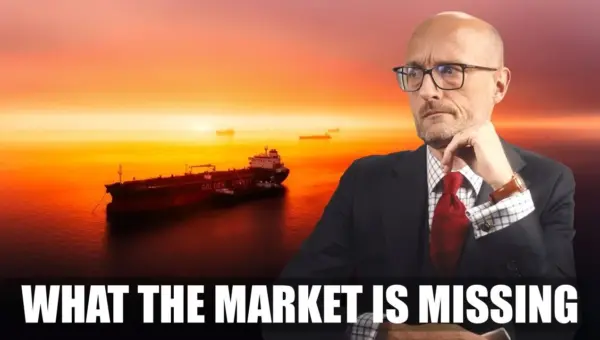
Stock markets appear to be overlooking the severe supply chain risks stemming from the Iran conflict, focusing instead on potential diplomatic de-escalations. While the S&P 500 shows resilience, bond and commodity markets signal deep concern over disruptions to critical resources like LNG, helium, and fertilizers.
U.S. Iran Tensions Rise Amid Shifting Alliances
Rising tensions between the U.S. and Iran are creating a volatile geopolitical situation. With conflicting signals on de-escalation and potential shifts in alliances like NATO and U.S.-Israel relations, the path forward remains uncertain. The global economy and regional stability hang in the balance.

Iran Targets US With Cyberattacks, Escalating Digital Warfare
Iran is increasingly using cyberattacks to challenge the U.S., as seen in a recent hack of the FBI director's account. Experts say this is a strategic shift due to Iran's limitations in conventional warfare. The U.S. needs to strengthen its digital defenses, focusing on encryption and cloud computing, rather than solely relying on traditional security measures.