Trump’s Paycheck Fix Solves TSA Crisis, But Not the Root Cause
President Trump's executive order provided much-needed back pay for TSA officers during the government shutdown, easing airport lines. However, this fix is temporary, failing to address the deeper political deadlock in Congress over government funding. The crisis highlights the vulnerability of federal workers and raises questions about the future of airport security.

Trump’s Paycheck Fix Solves TSA Crisis, But Not the Root Cause
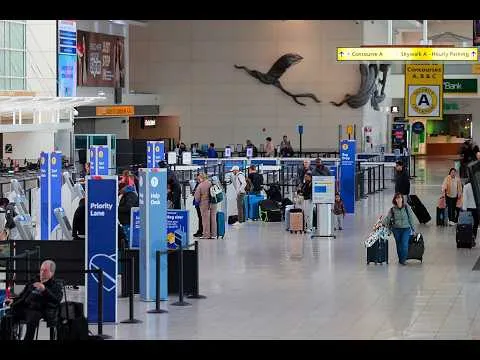
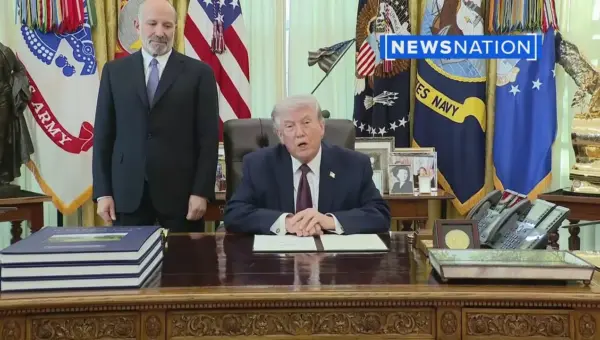
The recent partial government shutdown put many federal workers in a tough spot, especially those at the Transportation Security Administration (TSA). Many TSA officers were not getting paid. This created a serious problem, leading to long lines at airports and officers struggling to make ends meet. President Trump stepped in with an executive order to find funds to pay TSA employees. This action helped solve the immediate issue of TSA agents getting paid and returning to work. It also helped ease the long lines that were frustrating travelers.
A Temporary Solution to an Urgent Problem
While President Trump’s order ensured TSA officers received their back pay, it did not fix the bigger problem of how the government is funded. The core issue is the inability of Congress to pass spending bills, even when one party controls both the House, Senate, and the White House. The executive order was a quick fix, an emergency measure to prevent TSA agents from quitting or not showing up for work. Many TSA officers, like many Americans, live paycheck to paycheck. Not receiving a paycheck makes it impossible to cover basic living expenses such as rent and bills. Some TSA agents even had to take on second jobs, like driving for ride-share services, just to get by during the shutdown.
What If the Order Hadn’t Happened?
Without President Trump’s order, the situation could have worsened significantly. If TSA agents continued to go without pay, more would likely have stopped showing up for work. This would have caused even longer lines at airports, potentially leading to major travel delays and disruptions. While some suggested using ICE agents to help with certain tasks, this wouldn’t have been a long-term solution for the TSA’s staffing needs. The TSA is a large agency with a wide range of pay scales, but many officers are at the lower end, making them particularly vulnerable to missed paychecks. The threat of airport shutdowns was also a real concern if TSA operations were severely impacted.
Rethinking Airport Security
The crisis has also brought up older ideas about how airport security is managed. Before the TSA was created after the 9/11 attacks, airports were responsible for hiring their own security personnel. This approach shifted the responsibility from the federal government to individual airports. Some experts suggest that a hybrid model could work today. Highly specialized roles, like detecting drugs or chemical weapons, could still be handled by federal agents. However, much of the routine screening and passenger processing could potentially be done by automated machines or by local hires managed by the airports themselves.
“Congress controls the purse. That’s basic in the Constitution and ultimately it’s Congress that has to vote the money for the things that Congress wants done.”
The Political Stalemate
The root of the problem lies in the political disagreements over funding for the Department of Homeland Security (DHS), which includes the TSA. Democrats have expressed concerns about funding immigration enforcement, which is a key part of the DHS budget. This has led to a deadlock in Congress. The Senate has attempted to move forward by approving funding for parts of DHS, while separating out funding for Immigration and Customs Enforcement (ICE) and Border Patrol. The idea is to pass the rest of the funding now and use a special process called reconciliation to try and pass funding for ICE and Border Patrol later.
Different Strategies, Same Goal
However, the House of Representatives has taken a different stance, wanting to fund the entire package at once. This disagreement highlights the complex political maneuvering involved in government funding. Some lawmakers are willing to approve any bill just to ensure the aviation industry continues to function and TSA agents are paid. The ultimate goal for many is to find a way forward, even if it means compromise or pursuing alternative solutions. The current situation shows that while executive actions can offer immediate relief, lasting solutions require Congress to reach an agreement.
Why This Matters
This situation matters because it directly affects the safety and efficiency of air travel for millions of Americans. It also highlights the vulnerability of federal employees who are caught in the middle of political disputes. When essential workers don’t get paid, it impacts their lives and can compromise public services. Furthermore, it raises questions about the balance of power between the President and Congress regarding government funding and the ability of Congress to fulfill its constitutional duty to control the nation’s purse strings. The long-term implications could involve rethinking the structure of agencies like the TSA and finding more stable funding mechanisms that are less susceptible to political shutdowns.
Looking Ahead
The immediate crisis of TSA paychecks has been addressed, but the underlying political divisions remain. Future government shutdowns and similar pay issues for federal workers are possible if Congress cannot resolve its funding disputes. The debate over immigration enforcement and border security will likely continue to be a major hurdle. The idea of reforming how airport security is managed, perhaps by decentralizing some functions back to airports, is an interesting long-term possibility that could reduce the federal government’s direct exposure to such crises. For now, the focus remains on Congress finding a way to pass budgets without disrupting essential government services and the lives of the people who provide them.
Source: Trump’s Order Funding TSA Paychecks Solves Immediate Problem, but Is Only a Temporary Fix: Analyst (YouTube)

Related Articles

TMZ Catches Lawmakers on Vacation Amid Government Shutdown
TMZ is now publishing photos of lawmakers on vacation amid the ongoing government shutdown, aiming to pressure politicians to return to Washington. The outlet's executive producer stated they are channeling public anger over perceived inaction and blame-shifting by both parties.
Trump Signs Order on Election Integrity, Addresses Iran
President Trump signed an executive order focused on election integrity, aiming to secure voter rolls and combat mail-in ballot fraud. He also discussed the U.S. withdrawal from Iran, predicting a swift resolution to regional conflict and a drop in oil prices.
US Moves to Secure Mail-In Voting Against Fraud
President Trump has signed an executive order to enhance mail-in voting security. The order aims to clean voter rolls and ensure the U.S. Postal Service verifies ballot eligibility and returns. This move seeks to prevent fraud and bolster confidence in election integrity.