Trump’s Past Warnings Resurface Amidst Escalating Middle East Tensions
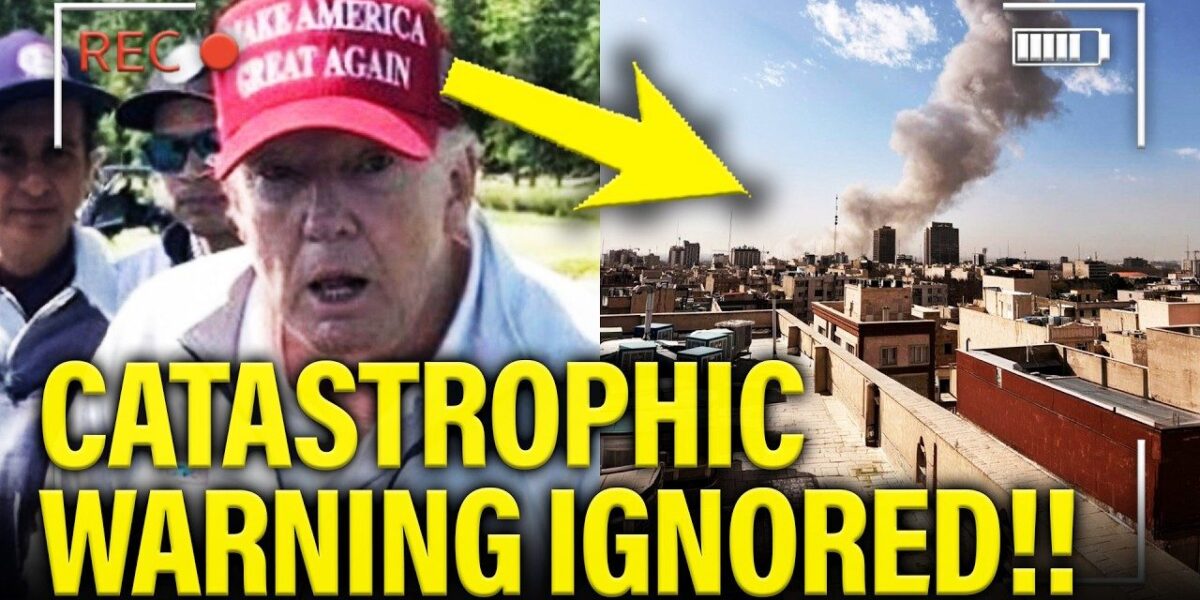
Former President Donald Trump and his former aides are reportedly facing scrutiny as their past warnings about the catastrophic outcomes of a U.S. war with Iran resurface. The MeidasTouch network highlighted these past concerns amidst escalating Middle East tensions, raising questions about policy consistency and foresight.

Past Predictions Echo as Regional Conflict Intensifies
Former President Donald Trump and his former top national security aides are reportedly grappling with the specter of their own past warnings regarding the dire consequences of a potential U.S. military conflict with Iran. As Middle East tensions reach a critical juncture, these prior pronouncements are gaining renewed significance, highlighting a complex web of political rhetoric and geopolitical foresight.
Concerns Over Iran Conflict Echoed by Former Administration
The core of the current unease stems from statements and concerns previously articulated by Trump and his administration concerning the potential ramifications of engaging in warfare with Iran. While the specifics of these past warnings are not detailed in the provided transcript, the implication is that the former president and his advisors had publicly or privately expressed apprehensions about the unpredictable and potentially catastrophic outcomes of such a conflict.
This situation, as reported by MeidasTouch host Ben Meiselas, suggests a scenario where the very predictions once made by the Trump administration are now being viewed through the lens of current events. The implication is that the former president and his team may be feeling the weight of their own foresight as the region teeters on the brink of wider hostilities.
MeidasTouch Analysis: A Look Back at Potential Dangers
MeidasTouch, a media network known for its political commentary, has brought attention to this apparent contradiction. Host Ben Meiselas’s report centers on the idea that Trump’s past statements about the dangers of a war with Iran are now haunting the former president and his associates. This suggests a narrative where the administration’s previous understanding of the risks involved in confronting Iran is now being contrasted with the present geopolitical climate.
The report, as indicated by its focus, likely delves into the potential motivations behind Trump’s past warnings. These could have ranged from strategic considerations about the military and economic costs to concerns about regional destabilization and the potential for a protracted engagement. Whatever the precise nature of these past pronouncements, their re-emergence indicates a growing narrative that the former president’s administration was acutely aware of the severe risks associated with escalating tensions with Iran.
Broader Implications for U.S. Foreign Policy
The resurfacing of these past warnings carries significant implications for the ongoing debate surrounding U.S. foreign policy in the Middle East. It raises questions about the consistency of political stances, the role of past rhetoric in shaping present-day perceptions, and the long-term consequences of foreign policy decisions. If a former president and his top advisors had previously voiced strong concerns about a particular course of action, its potential adoption or continuation by future administrations could be viewed as a departure from, or even a contradiction of, those earlier assessments.
Furthermore, this narrative invites scrutiny of the current administration’s approach to Iran. By highlighting Trump’s past apprehensions, the report implicitly encourages a comparison between the previous administration’s articulated concerns and the current geopolitical strategy. This can lead to a deeper public discourse on the efficacy and wisdom of different foreign policy approaches, particularly in volatile regions like the Middle East.
What to Watch Next
As the situation in the Middle East continues to evolve, all eyes will be on how diplomatic efforts and potential military responses unfold. The renewed focus on Donald Trump’s past warnings about Iran is likely to persist, potentially influencing political discourse and public opinion regarding U.S. involvement in the region. Observers will be keen to see if these past statements lead to a more cautious approach or if they are dismissed as mere political rhetoric in the face of current exigencies. The interplay between past pronouncements and present actions will undoubtedly remain a critical element in understanding the trajectory of U.S.-Iran relations and broader regional stability.
Source: Trump HAUNTED by His OWN PAST WARNING as WAR EXPLODES!!! (YouTube)

Related Articles

US Regime Change Efforts: A History of Tactical Wins, Strategic Losses
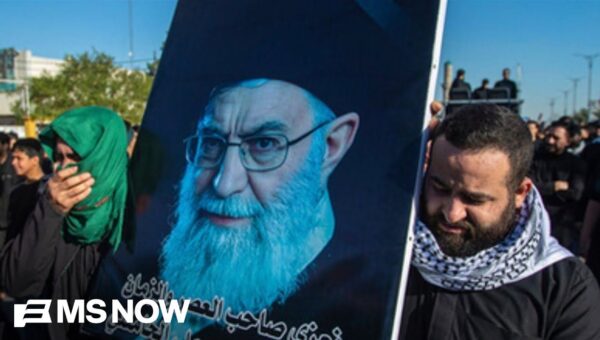
A comprehensive review of U.S. interventions reveals a consistent pattern: while the United States is adept at tactically removing foreign governments, achieving strategic success—the establishment of stable, legitimate political orders—has proven exceedingly difficult. Historical analysis points to unintended consequences and long-term instability as common outcomes.

Thousands Mourn Khamenei, Chant ‘Death to America’ in Iran
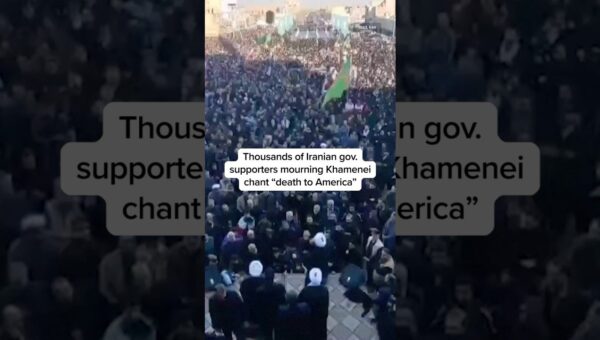
Thousands gathered in Yazd, Iran, to mourn Supreme Leader Ayatollah Ali Khamenei following reported U.S. and Israeli strikes. The mourning ceremony was marked by chants of "Death to America," highlighting deep-seated anti-American sentiment amid geopolitical tensions.

Middle East Crisis Triggers Global Chaos: Flights, Oil Prices Hit
A major global crisis has erupted following coordinated strikes on Iran, triggering a massive retaliatory response that has impacted multiple countries across the Middle East. The large-scale attacks have caused widespread aviation chaos and pose significant risks to global energy markets and financial stability.