Trump’s Pardons: A Cycle of Crime Continues
A New York Times report reveals that many individuals pardoned by Donald Trump, including those involved in the January 6th Capitol riot, have been arrested again for new crimes. Cases include serious offenses like child molestation and violent assaults, raising concerns about the clemency process.

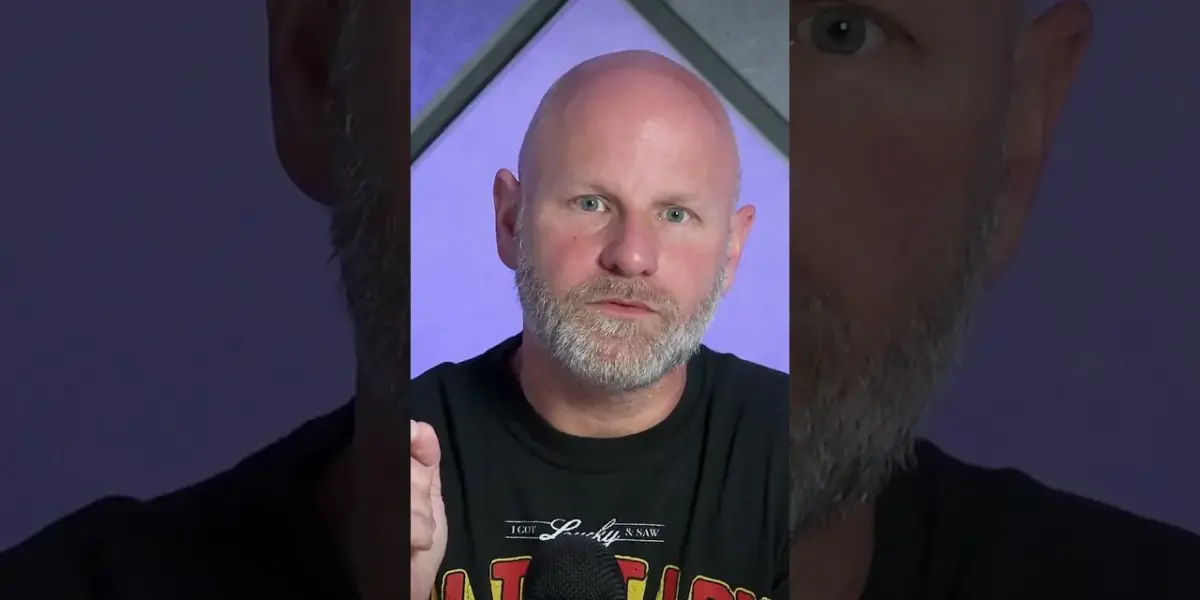
Trump’s Pardons: A Cycle of Crime Continues
A recent report from The New York Times has shed light on a troubling pattern: individuals pardoned by former President Donald Trump, including those involved in serious crimes, have continued to re-offend. This extensive investigation reveals that many of these pardoned individuals have been arrested again, some for violent offenses and other illegal activities, raising serious questions about the impact and oversight of presidential clemency.
The Pardon Industry and Its Consequences
The New York Times exposé highlights what it describes as a burgeoning “pardon industry.” This involves lobbyists reportedly earning millions of dollars to advocate for pardons on behalf of individuals, often those with severe criminal histories. The report focuses on pardoned individuals who were involved in the January 6th Capitol riot, suggesting that a blanket pardon approach, particularly upon leaving office, may have had unintended and negative consequences.
A Troubling Pattern of Re-offending
The investigation details several specific cases that illustrate this disturbing trend. For instance, Andrew Paul Johnson, who had been pardoned as a Capitol rioter, was later sentenced to life in prison in Florida for the serious offense of molesting a 12-year-old boy and girl. This case stands out due to the extreme nature of the new crime committed after receiving clemency.
Another individual, Jake Lang, who was also pardoned after participating in the Capitol riot, has faced new charges. He reportedly destroyed an ice sculpture at the Minnesota state capitol, leading to a felony vandalism charge. Furthermore, he is said to have helped organize an anti-Muslim rally in New York City that later turned violent, indicating a continued involvement in disruptive and potentially harmful activities.
Zachary Alam, who was among the first to enter the Capitol building on January 6th, was arrested in Virginia for breaking into a home. During the burglary, he allegedly stole a tablet computer and a diamond necklace. This act of theft and trespassing occurred after he was freed by a presidential pardon.
Enrique Tarrio, the leader of the far-right group Proud Boys, was pardoned by Trump after serving a 22-year prison sentence. Shortly after his release, Tarrio was involved in a physical altercation with protesters at a news conference. He was briefly detained on assault charges, showing a quick return to confrontational behavior.
More January 6th Rioters Recidivate
The report also states that an additional eight individuals who participated in the January 6th riot were already out of prison when they received pardons from Trump. Since being pardoned, these individuals have since been charged with new crimes. This suggests a broader issue beyond just a few isolated cases, pointing to a pattern of behavior among a segment of those pardoned.
Further examples include Daniel Tachi, who was sentenced to four years in prison for possessing over 110,000 child images. This is a deeply disturbing crime that came to light after his pardon. Brian Bettiner was charged with assault and battery for grabbing a woman’s hair on the Washington Metro, and he has also faced accusations of stalking from at least two women.
Christopher Moynihan is reported to have threatened the House Minority Leader, Hakeem Jeffries, a serious charge involving intimidation. Robert Packer was arrested in September after his dogs attacked people, resulting in four hospitalizations. John Andrews violated a legal order set by his child’s mother by repeatedly following and confronting her, leading to a 60-day jail sentence and three years of probation.
Why This Matters
The power to pardon is a significant one, intended to be used judiciously for reasons of justice, mercy, or public good. When pardons appear to be granted to individuals who then continue to commit crimes, it undermines public trust in the clemency process. It also raises concerns about the vetting process for such pardons and the potential for political influence to override considerations of public safety.
Historical Context and Future Outlook
Presidential pardons have a long history in the United States, often used to correct perceived injustices or to foster reconciliation. However, they have also been a source of controversy, particularly when granted to political allies or in the final days of a presidency. The recent revelations suggest a need for greater transparency and accountability in the exercise of this power.
The trend highlighted by The New York Times could lead to increased scrutiny of future pardon requests and potentially calls for reforms to the clemency process. It also underscores the ongoing debate about accountability for actions related to events like the January 6th Capitol riot and the broader implications of political decisions on public safety and the justice system. The public will likely expect a more rigorous approach to clemency moving forward, ensuring that such powers are used responsibly and do not inadvertently contribute to further harm.
Source: Trump pardoned the WORST OF THE WORST (YouTube)

Related Articles
FBI Informants: Did Trump’s Own FBI Set Him Up?
A report about 274 FBI informants at the January 6th event sparks debate over who was in charge of the FBI. The discussion delves into past controversies like the Russia Collusion investigation and questions about government overreach.

FBI Experience Gap Undermines Cold Case Investigation
A former FBI agent points to a critical experience gap in the Nancy Guthrie cold case investigation. He suggests this lack of seasoned investigators may have led to missed evidence and overlooked inconsistencies, potentially jeopardizing the case. Unusual crime scene handling further fuels concerns about the investigation's leadership.

Election Integrity: What MAGA Supporters Don’t Know
The 2020 election's legitimacy is still debated, but a look at the facts reveals a series of failed legal challenges and attempts to alter results. From pressuring officials to the fake elector scheme and January 6th, understanding these events is key to election integrity.