Trump’s Pardon Promises Signal End of Rule of Law
Reports of Donald Trump promising widespread pardons suggest a dangerous invitation to lawlessness, potentially undermining democratic principles. Analysts discuss the legal limits and the crucial role states may play in upholding the rule of law.

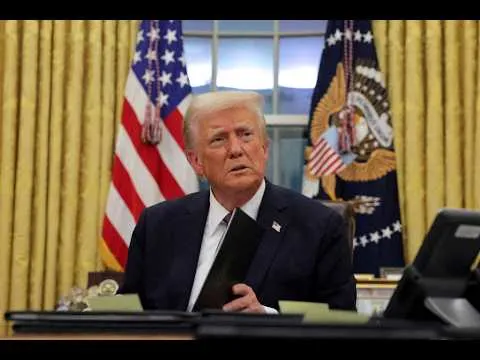
Trump’s Pardon Promises Signal End of Rule of Law
Reports suggest Donald Trump has promised pardons to anyone near the Oval Office, a move critics say invites lawlessness and threatens democracy.
A Green Light for Crime?
The idea that a president might offer blanket pardons to those in his orbit has sparked serious concern. Legal analysts suggest this sends a clear message: commit crimes in service to the president, and you’ll be protected. This is seen by some as being just one step away from actively encouraging illegal activity. It’s a signal that the law doesn’t apply, and accountability is off the table. This approach, critics argue, is a direct path away from democracy and towards authoritarian rule.
The Limits of Presidential Power
The U.S. Constitution gives the president broad power to grant pardons. This power, often called “plenary,” means it is generally without limits. Courts have historically upheld this broad authority. However, the current situation raises questions about the spirit of this power. When a president seems to use it to shield those who commit crimes on his behalf, it tests the very foundation of the justice system.
“There has never been a case brought where, for example, a president commissioned somebody to commit a crime in his name… And then the president pardons his co-conspirator.”
Legal experts point out that while the power is broad, using it to pardon co-conspirators or those who commit crimes at the president’s request is uncharted territory. There’s no court precedent for such actions. It would deeply violate the founders’ intent for a republic governed by laws, not by personal favors or protection from accountability.
A Compromised Court?
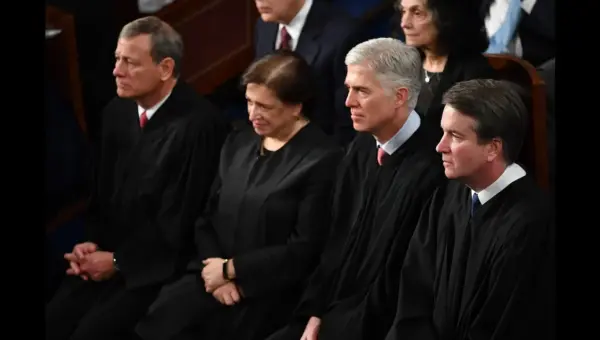
The Supreme Court’s role in interpreting the Constitution is crucial. However, some argue that the current court has made decisions that seem to ignore the Constitution’s core principles, particularly the president’s duty to uphold the laws. When the highest court issues rulings that appear to allow a president to break laws without consequence, it raises serious doubts about the system’s ability to hold anyone accountable.
Even if a Supreme Court ruling seems wrong, there’s typically no higher authority to appeal to. This makes it difficult to challenge decisions that seem to undermine the rule of law. However, giving up is not an option. Legal challenges to pardons, even those that seem corrupt, must be pursued through the courts. History shows that interpretations of the Constitution can and do change over time. The fight for the rule of law requires persistent effort, even when faced with difficult odds.
The Role of the States
While presidential pardons only apply to federal crimes, state governments offer a potential check on presidential power. Donald Trump’s conviction in New York, a state court, was not affected by his presidential status. This is because state crimes are outside the scope of federal presidential pardons.
Many federal crimes also have corresponding state law violations. For example, tax evasion at the federal level often involves similar actions related to state taxes. This means states can pursue prosecutions even if the federal government or the president chooses not to. This ability for states to act independently is a vital safeguard when federal authorities might be compromised or unwilling to enforce the law.
The hope is that this situation will inspire state officials to step up and use their authority. If federal systems fail to uphold the rule of law, state prosecutors can become essential in ensuring accountability.
Can the Pardon Power Be Changed?
The question of limiting the pardon power is complex. While legislation might offer some procedural safeguards, like requiring reviews through the Department of Justice, many believe it would ultimately require a constitutional amendment. The current Supreme Court seems inclined to expand executive power, making legislative attempts to constrain it unlikely to succeed.
A constitutional amendment would be the most direct way to change the pardon power. However, this process is difficult and politically charged. It would likely face strong opposition, especially if proposed by one political party. Ironically, if a future president were to use the pardon power in a way that alarmed the public, it might create the political will needed for reform.
A Republic in Peril
The current political climate, marked by accusations of corruption and lawlessness, highlights the fragility of democratic institutions. When a president appears to invite illegal activity and shields those who engage in it, it puts the very foundation of the republic at risk. The willingness of a few individuals in power to stand against such actions could be crucial in preserving democracy.
The ongoing events serve as a stark reminder that the rule of law is not guaranteed. It requires constant vigilance and active participation from citizens and leaders alike. Without a commitment to legal and ethical standards, even the strongest democracies can falter.
Source: BREAKING: BOMBSHELL news on Trump issuing MASS PARDONS (YouTube)

Related Articles


Trump’s Shifting Image: Loyalty Tested by New Realities
Supporters of Donald Trump are facing a critical moment, questioning if the man they once backed is the same today. This internal debate highlights the tension between loyalty and reality, with some calling for accountability measures.
Congress Demands Trump’s Mental Exam Amidst Alarming Statements
Democrats in the House are demanding Donald Trump publicly release his cognitive exams and take a new one due to concerns about his mental health. Citing his increasingly erratic public statements and threats, they argue the public needs assurance of his fitness for office. This push brings historical context of presidential health scrutiny to the forefront.
Election Deniers’ Ballot Grabs Met Judicial Pushback
The California Supreme Court has halted a controversial effort to seize 650,000 ballots, citing concerns over election integrity. This decision comes amid growing worries about tactics used by election deniers to challenge results, drawing parallels to similar situations in other states.