Trump’s Pardon Promises Fuel Lawlessness Fears
Donald Trump's controversial promise to pardon those near the Oval Office raises alarms about encouraging lawlessness. Legal experts warn that while pardons have limits, such statements signal a disregard for legal principles and could embolden supporters to engage in questionable activities, believing they will be shielded from consequences.

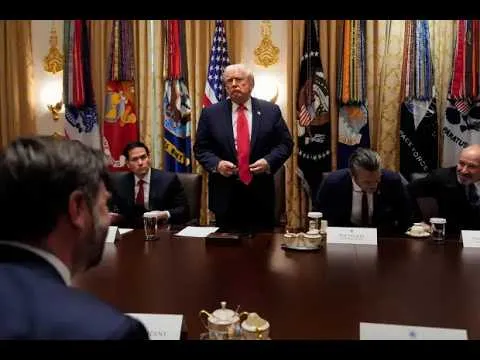
Trump’s Pardon Promises Fuel Lawlessness Fears
Donald Trump’s recent statement, “I’ll pardon everyone who has come within 200 feet of the Oval,” has sparked serious concern. While some might dismiss it as a joke, legal experts and commentators see a dangerous signal. This isn’t just about presidential power; it’s about encouraging actions that undermine the rule of law. The implications are far-reaching, especially as the Supreme Court has granted broad pardon powers.
The Power to Pardon, and Its Perils
The U.S. Supreme Court has established that the presidential pardon power is extensive. This means a president can pardon virtually anyone for federal crimes. Trump’s remark, however, goes beyond simply stating this power. It suggests an intention to reward actions, potentially illegal ones, taken by those around him. This is seen by many as a tacit endorsement of lawlessness. It’s like saying that any misbehavior, no matter how serious, will be wiped clean if you’re close enough to the president.
The laughter that reportedly accompanied Trump’s statement might be nervous. Many who felt they were promised pardons in the past did not receive them. This suggests a potential lack of trust even among his closest allies. The seriousness of this issue cannot be overstated; it’s compared to the Supreme Court granting the president complete immunity and then extending that to his staff and supporters.
Limitations and Realities of Pardons
While the pardon power is strong, it has limits. Firstly, a pardon only works if it is actually issued. Given Trump’s history of not always following through, there’s no guarantee of a pardon for everyone. Secondly, pardons only cover criminal offenses. They do not shield individuals from civil lawsuits or financial penalties. This means people could still face significant legal and financial consequences even if they are pardoned for a crime.
Perhaps the most significant limitation is that a president cannot pardon state crimes. Trump has reportedly been frustrated by this, especially in cases involving election denial. State Attorneys General are reportedly watching closely for violations of state laws. They may pursue cases that fall outside the federal pardon power. This creates a complex legal web where actions could have consequences at multiple levels of government.
Historical Context: The Pardon Power
The power to pardon has been part of the U.S. system since its founding. It’s meant as a check on the justice system, allowing for mercy in certain cases. However, it has also been a source of controversy throughout history. Presidents have used it to pardon allies or even family members. The debate over its appropriate use and potential for abuse is ongoing.
Civil Liability: A Different Kind of Consequence
Even if federal criminal charges are avoided through a pardon, civil liability remains a major concern. For instance, someone involved in securities fraud might face criminal charges, which could potentially be pardoned. However, they could still be sued by the Securities and Exchange Commission or by shareholders. These civil cases can result in devastating financial penalties, even without a criminal conviction.
Similarly, civil racketeering charges are distinct from criminal ones. While a pardon might cover criminal racketeering, it would not prevent a civil lawsuit for the same actions. These financial and civil repercussions can be just as ruinous as criminal penalties. This highlights that a presidential pardon is not a get-out-of-jail-free card for all legal troubles.
Loyalty and Self-Interest: A Pattern of Behavior
Commentators point to Trump’s past behavior as evidence that he prioritizes self-interest over loyalty. Many who supported him, sometimes at great personal or professional cost, were later discarded when they were no longer useful. Examples include figures like Michael Cohen, Alex Jones, and Marjorie Taylor Greene, who have seen their relationships with Trump change dramatically.
This pattern suggests that any reliance on Trump for future pardons might be misplaced. He is described as being more selfish than loyal. Pardons, if issued, are likely to be transactional, benefiting him directly or those currently in his favor. The idea of a blanket pardon for everyone within a certain proximity is seen as unlikely. Instead, he might pick and choose based on who serves his current needs.
Can a President Pardon Himself?
A highly debated question is whether a president can pardon himself. While it has never been tested in court, the prevailing legal opinion is that a president cannot. The concept of a pardon historically involves one person granting grace to another. The idea of a president granting himself immunity, especially for actions unrelated to his official duties, is seen as legally and analytically unsound.
Even if a president could pardon himself for federal crimes, this protection is not absolute. The Supreme Court has clarified that presidential immunity applies to official acts. Actions taken outside the scope of presidential duties, such as personal crimes or campaign-related illegalities, might not be covered. Furthermore, a president cannot pardon state offenses, leaving a significant avenue for prosecution.
Why This Matters
Trump’s statements about pardons are more than just political rhetoric; they signal a potential blueprint for future behavior. If he were to regain power, the promise of pardons could embolden his supporters to engage in potentially illegal activities, believing they will be protected. This undermines the principle that no one is above the law. It creates a system where loyalty to a leader is rewarded over adherence to legal and constitutional principles.
The lack of accountability for certain actions, even if criminal, can erode public trust in government and the justice system. It suggests that political power can be used to shield individuals from consequences, regardless of the severity of their actions. This is particularly concerning when these actions involve efforts to subvert democratic processes or the rule of law.
Future Outlook and Democratic Resilience
The discussion around pardons and immunity highlights a larger challenge for democracy. It requires vigilance from citizens and a commitment to upholding legal standards, even when it’s politically difficult. For Democrats, the call is for a tougher, more pragmatic approach. This means not being bound by past norms or interpretations that might be exploited. Instead, they are urged to use every available legal and constitutional tool to ensure accountability.
The focus on strengthening institutions like Democracy Docket, which provides in-depth analysis of election law, is crucial. Such organizations play a vital role in informing the public and promoting informed civic engagement. Ultimately, the resilience of democracy depends on its ability to hold individuals accountable, regardless of their proximity to power.
Source: Trump gets BRUTAL NEWS amid mass pardon promise (YouTube)

Related Articles

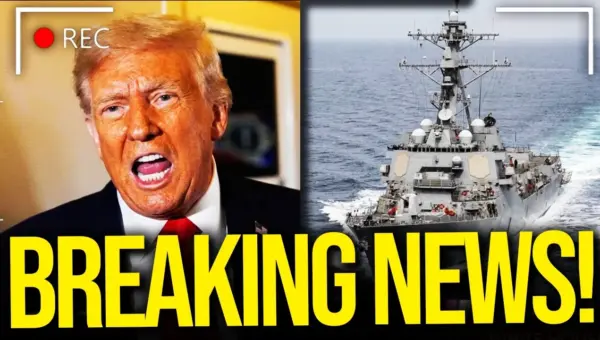
Trump’s Iran Claims Crumble Amidst Navy Ship Standoff
Reports indicate U.S. Navy destroyers were forced to turn back from the Strait of Hormuz due to Iranian threats, contradicting former President Trump's claims of military victory and open passage. Senator JD Vance is currently involved in delicate negotiations.

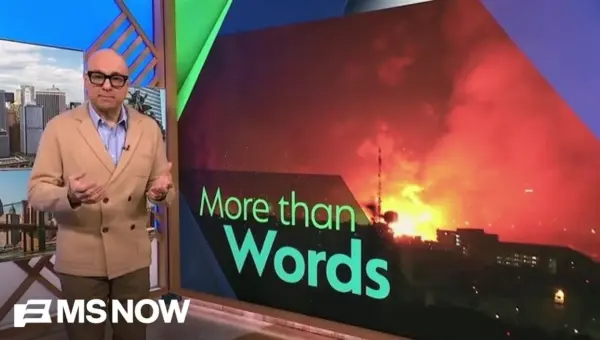
Trump’s Iran Threat: Not Bluster, But a Warning Sign
MSNBC's Ali Velshi warns against dismissing Donald Trump's threat to destroy Iran's 'civilization' as mere talk. History shows dehumanizing language can precede mass atrocities. Velshi urges Americans to speak out against such rhetoric at the ballot box and in public spaces.

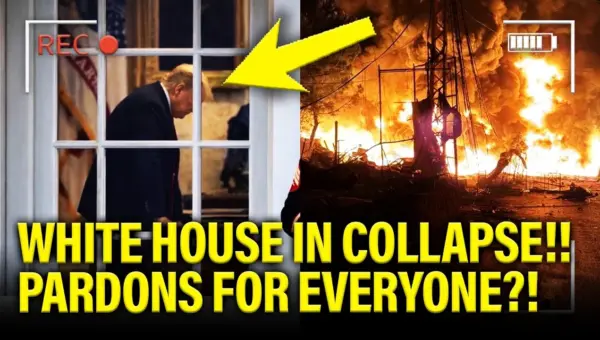
Trump’s Pardon Promises Spark Fear of Abuse
Reports suggest Donald Trump is offering mass pardons to staff, raising concerns about the abuse of presidential power. This tactic, coupled with a Supreme Court ruling granting him immunity, has created anxiety and a potential shift in accountability.