Trump’s Pakistan Deal Collapses, Media Confrontation Erupts
Negotiations in Pakistan involving Iran have reportedly collapsed, leading to a heated exchange between Donald Trump and the media. The breakdown raises questions about U.S. foreign policy effectiveness and the accuracy of political claims regarding the conflict with Iran.

Trump’s Pakistan Deal Collapses, Media Confrontation Erupts
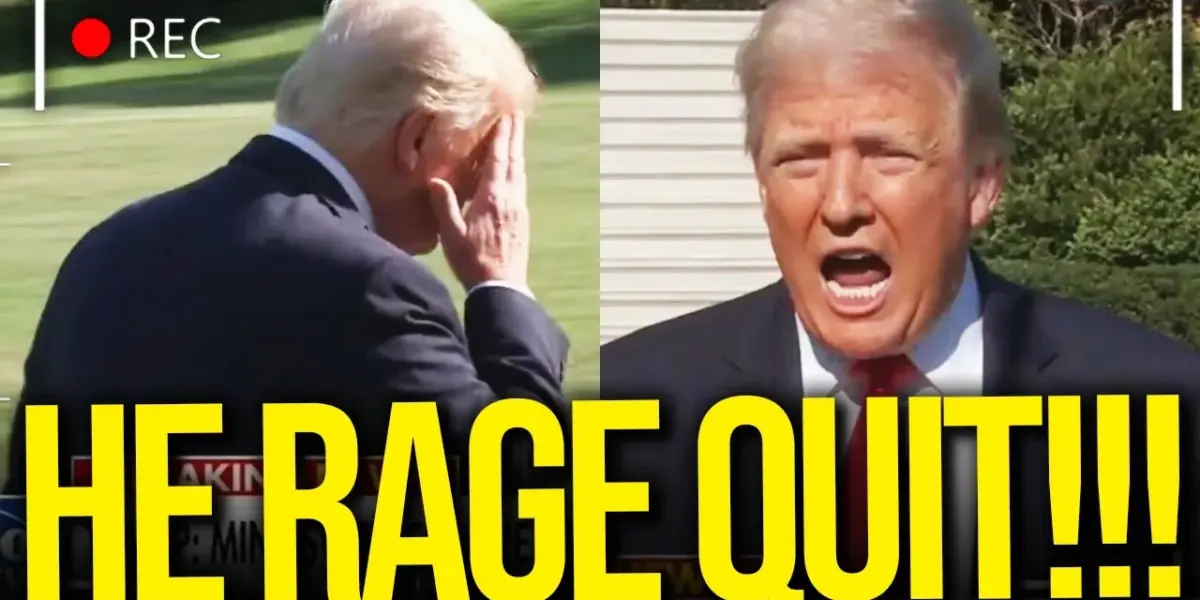
Negotiations in Pakistan involving Iran, led by JD Vance and Jared Kushner, have reportedly hit a swift halt. This breakdown occurred as Donald Trump was seen leaving a media scrum, seemingly frustrated by questions about the failing talks. The situation raises serious questions about America’s standing in international diplomacy and the accuracy of public statements made by political figures.
A War Lost? The Debate Over Iran’s Influence
The collapse of these trilateral talks with Iran has reignited a debate about the effectiveness of U.S. foreign policy. Some argue that despite military actions, Iran’s continued control over crucial waterways like the Strait of Hormuz signifies a strategic loss for the United States. They point to Iran’s ability to profit from these chokepoints as evidence of their sustained power and influence, suggesting the U.S. has lost leverage in the region.
This perspective clashes with official statements that claim military victories against Iran. For instance, former President Trump has repeatedly stated that the conflict is over and that the U.S. has won. He has claimed Iran’s navy and air force are defeated and that its leaders are no longer a threat. However, critics highlight that Iran’s key naval forces, particularly the IRGC Navy which controls the Strait of Hormuz, remain active and capable.
“The regime is still standing. They still have enriched uranium and the knowledge to build nukes and they have control over the straight of Hormuz that they’re pulling and getting richer off of. This is not a victory.”
The discrepancy between these claims and the ongoing realities on the ground fuels skepticism. While the U.S. may have achieved certain tactical objectives, the broader strategic picture, including Iran’s continued economic gains and regional influence, suggests a more complex outcome than a clear victory.
Contradictions and Credibility
Further complicating matters are the conflicting reports and statements surrounding the Pakistan negotiations. While Trump claimed Iran’s leaders were dead, Fox News pointed out that some of these same leaders were in Pakistan meeting with U.S. representatives. This contradiction, coupled with Trump’s departure from the media event and his subsequent focus on attending a UFC match, has drawn criticism.
Critics argue that this behavior suggests a lack of seriousness and a focus on optics over substance. JD Vance’s prominent role in these high-stakes negotiations, which he was reportedly sent to conduct, adds another layer of concern. The success or failure of these talks could significantly impact his political standing.
The situation also brings into question the credibility of political figures and the media. The transcript mentions a significant drop in media credibility, with one figure stating it has fallen to 13%. This low trust makes it harder for the public to discern truth from rhetoric, especially when political leaders offer conflicting narratives.
Historical Context: The Strait of Hormuz and Regional Power
The Strait of Hormuz has long been a critical chokepoint for global oil supplies. Its strategic importance has made it a focal point in regional conflicts and international relations for decades. Iran’s ability to control or disrupt passage through the strait gives it significant leverage over global trade and energy markets.
Throughout history, control over such strategic locations has been a key factor in determining regional and global power dynamics. The ongoing tension surrounding the Strait of Hormuz is a continuation of this historical pattern, where access and control of vital trade routes translate directly into economic and political power.
The current situation, where Iran reportedly profits from passage through the Strait while negotiations falter, echoes past geopolitical struggles. It highlights the persistent challenge of achieving lasting stability and asserting influence in a region with complex and competing interests.
Why This Matters
The events in Pakistan and the subsequent media fallout are significant for several reasons. Firstly, they shed light on the challenges of de-escalating international tensions and the complexities of diplomacy with Iran. The conflicting narratives from political leaders make it difficult for the public to understand the true state of affairs, potentially eroding trust in government institutions.
Secondly, the situation underscores the importance of factual reporting and media credibility. When public figures make claims that are easily disproven, it raises concerns about transparency and accountability. The public relies on accurate information to form informed opinions about foreign policy and national security.
Finally, the ongoing situation at the Strait of Hormuz has tangible economic consequences. Disruptions or the threat of disruption can lead to volatile energy prices, affecting consumers and businesses worldwide. The ability of any nation to control or influence such a vital trade route has far-reaching implications beyond the immediate geopolitical context.
Implications, Trends, and Future Outlook
The current diplomatic stalemate and the public relations battle surrounding it suggest a continuation of complex and potentially volatile relations with Iran. The trend of political figures using strong, often contradictory, rhetoric to shape public perception is likely to persist.
Looking ahead, the success of future diplomatic efforts will depend on clear communication, verifiable actions, and a commitment to factual reporting. The role of key figures like JD Vance in these negotiations will be closely watched, as their performance could influence both domestic political standing and international outcomes.
Furthermore, the broader trend of utilizing independent media platforms for communication and debate is likely to grow. This can offer alternative perspectives but also presents challenges in ensuring a unified and accurate public discourse. The ability of the U.S. to project strength and achieve its foreign policy objectives will be tested by its capacity to navigate these complex diplomatic and informational landscapes.
Source: Trump Runs Off as JD Vance Collapses It All (YouTube)

Related Articles

Iran Scrambles Drones, U.S. Warships Face Threats
Iran allegedly scrambled drones at U.S. warships in the Strait of Hormuz amidst tense negotiations. Reports also hint at potentially captured Iranian pilots in U.S. custody, adding another layer of intrigue to the volatile regional dynamics.

US Minesweepers Clear Strait of Hormuz Amid Peace Talks
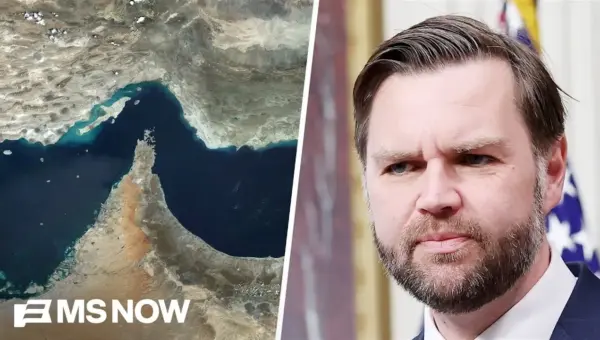
U.S. forces have commenced mine-clearing operations in the Strait of Hormuz, a critical waterway, amid high-level peace talks with Iran in Pakistan. The operation, seen as a positive sign, occurs while diplomats discuss Iran's nuclear program and regional stability. Experts weigh the risks, Iran's strategic leverage, and the complex interplay of international relations, including Israel's ongoing military actions.

US, Iran Hold Landmark Peace Talks in Pakistan
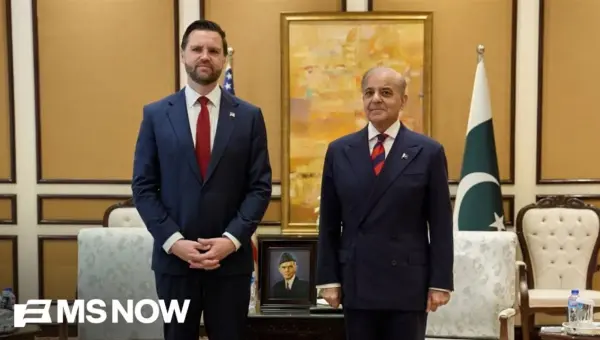
Top U.S. and Iranian delegations are holding landmark peace talks in Islamabad, Pakistan, mediated by the Pakistani government. This marks the first direct meeting between the two nations in nearly 50 years, with Vice President J.D. Vance leading the U.S. side.