Trump’s Opulent Ballroom: A Symbol of Self-Interest
Donald Trump's opulent ballroom project is examined, questioning his claims of being too busy while prioritizing personal enrichment. The analysis contrasts his populist promises with policies that allegedly harmed supporters and benefited the wealthy, highlighting a pattern of self-interest over public good.

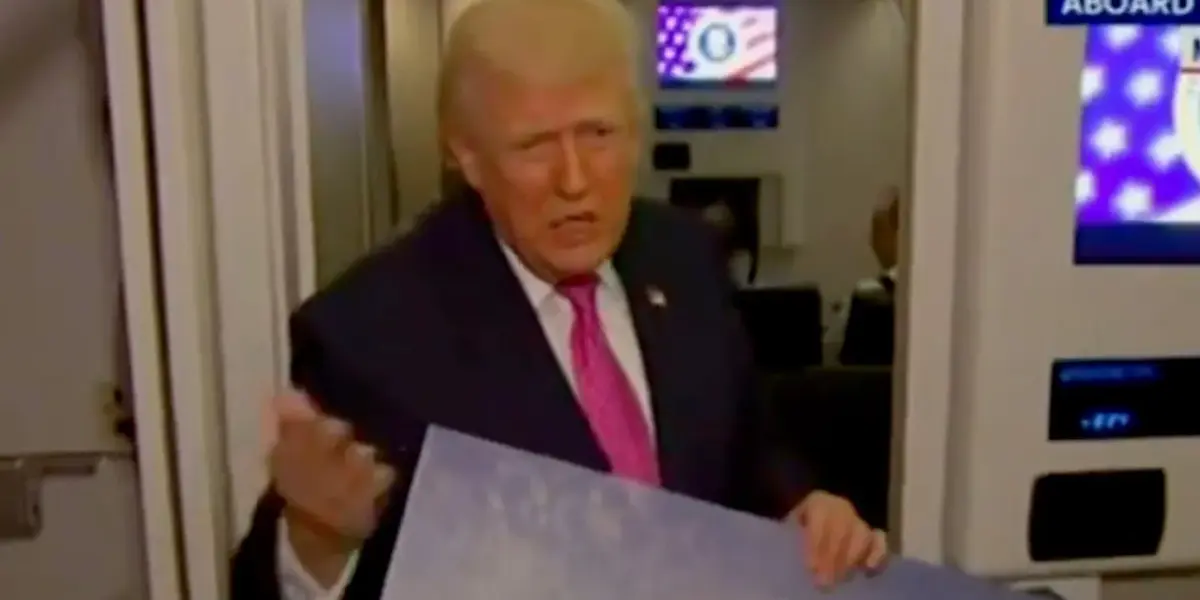
Trump’s Lavish Ballroom Project Highlights Shifting Priorities
Donald Trump recently spoke about a grand ballroom project, describing it as a magnificent addition with hand-carved Corinthian columns and stunning views. He emphasized that the project is ahead of schedule and under budget, funded entirely by himself and donors, not by government money. However, beneath the surface of this opulent construction lies a larger story about priorities and promises.
The Ballroom’s Features and Funding
The planned ballroom boasts a design that mirrors the White House, aiming for a similar height and aesthetic. Trump highlighted its advanced features, including bulletproof glass windows, and noted that a large military complex is being built underneath it. He stated that he personally funds the ballroom, alongside donations, and dismissed any suggestions of fake windows or incorrect architectural details.
“I’m so busy I don’t have time to do this,” Trump stated, referring to the ballroom project, while also mentioning he is “fighting wars and other things.”
Contrasting Promises with Actions
This statement, however, has drawn criticism. The speaker points out the contradiction between Trump claiming to be too busy for such a project and his apparent dedication to it. This is contrasted with his past promises of avoiding new wars and focusing on peace and prosperity. The argument is that by initiating or continuing conflicts, he creates burdens that he then cites as reasons for his busyness, akin to setting one’s own house on fire and then complaining about the cleanup.
Populist Promises vs. Policy Outcomes
The analysis delves into Trump’s populist image during his campaigns, where he spoke about helping the working class with issues like housing and groceries. Yet, the actions taken during his presidency are presented as having the opposite effect. Examples include launching a trade war that raised prices, passing tax cuts that benefited the wealthy, and cutting healthcare and food assistance for those in need. Furthermore, initiating a war in the Middle East is described as costing billions daily, leading to increased oil prices and higher gas costs for Americans.
The Impact on Everyday Americans
The piece details the negative consequences for ordinary citizens. They face higher costs for gas, utilities, and groceries, while their healthcare and food assistance are reduced. Wages have remained flat, job growth has slowed, and promises of manufacturing revival have not materialized. This is juxtaposed with Trump’s personal enrichment, including expensive jet retrofits and cryptocurrency dealings that allegedly doubled his net worth, all while ordinary Americans experience financial strain.
A Pattern of Self-Interest?
The core argument is that Trump consistently prioritizes projects and actions that benefit himself, while neglecting the needs of his supporters and the general public. The $200 million ballroom, the retrofitted jet, and other opulent expenditures are presented as evidence of his self-focused agenda. The speaker suggests that when Trump wants something done, he finds a way, irrespective of obstacles like courts, prosecutors, or laws. This is seen in the rapid progress of his personal projects compared to the lack of progress on issues affecting his base.
Misdirection and Voter Contempt
There’s a suggestion that the focus on the ballroom project is a deliberate tactic to distract from more significant policy failures. The speaker wonders if Trump and his team want people to be angry about the ballroom, rather than focusing on how farmers are struggling, tariffs are hurting businesses, and healthcare costs are rising. This is framed as a sign of contempt for voters, where even while negatively impacting them, they are bragging about their priorities, which clearly do not include the well-being of those who supported them.
“The fact that farmers are getting screwed right now is because he doesn’t care about those farmers.”
The Real Priorities Revealed
The analysis concludes that Trump’s actions, from building lavish structures to personal financial gains, clearly show where his true priorities lie. The projects that get done are those that serve his interests, while the needs of others, including his own supporters, are ignored. This is presented as proof that his populist message was a means to an end, and that he has always been primarily focused on his own advancement and enrichment.
Why This Matters
This situation highlights a critical tension in politics: the difference between a leader’s public persona and their actual policy decisions and priorities. It raises questions about accountability, the influence of personal wealth on public service, and the effectiveness of populist rhetoric. For voters, understanding where a leader’s true loyalties lie is crucial for making informed decisions. The contrast between Trump’s personal enrichment and the struggles of everyday Americans underscores the importance of scrutinizing the actions of those in power, rather than just their words.
Looking Ahead
The discussion implies that this pattern of behavior, if continued, could lead to further disillusionment among voters. It also points to a broader trend where political messaging and policy outcomes can diverge significantly. The ongoing debate about Trump’s priorities and their impact on the nation suggests that voters will continue to grapple with these issues in future elections. The focus on self-interest versus public good remains a central theme in political discourse.
Source: OMG: Trump HUMILIATES himself on Air Force One (YouTube)

Related Articles
Trump’s Week Unravels Amidst Bizarre Claims and Media Mockery
This analysis dissects a week of controversial statements from Donald Trump, marked by bizarre analogies, crude humor, and questionable remarks on death and faith. The piece examines his communication style, critiques of political authenticity, and the implications of ideas like compulsory military service, revealing a pattern of rhetoric that alienates many while resonating with a dedicated base.

Millions Protest Trump, CPAC Shows GOP Divisions
Millions protested Donald Trump nationwide with "No Kings" rallies, citing war, deportations, and constitutional fears. Meanwhile, CPAC revealed deep divisions within the Republican party, with Donald Trump absent for the first time since 2016. Concerns over foreign policy and domestic economic struggles emerged as key issues, potentially shifting political momentum.


Trump Sees Iran Deal as War’s Root; US Boosts Mideast Troops
Amid rising tensions, former President Trump suggested Iran seeks a deal while the U.S. has significantly boosted its military presence in the Middle East. Experts believe Iran views the conflict as a long-standing war, with recent events prompting a strategic reassessment by both nations.