Trump’s Oil Price Stance Sparks Controversy Amidst Global Tensions
The White House faces intense scrutiny over its handling of the escalating conflict with Iran, which has crippled global oil trade through the Strait of Hormuz. Reports indicate a lack of planning, with policy shifts on insurance, naval escorts, and strategic oil reserves causing confusion and skepticism.

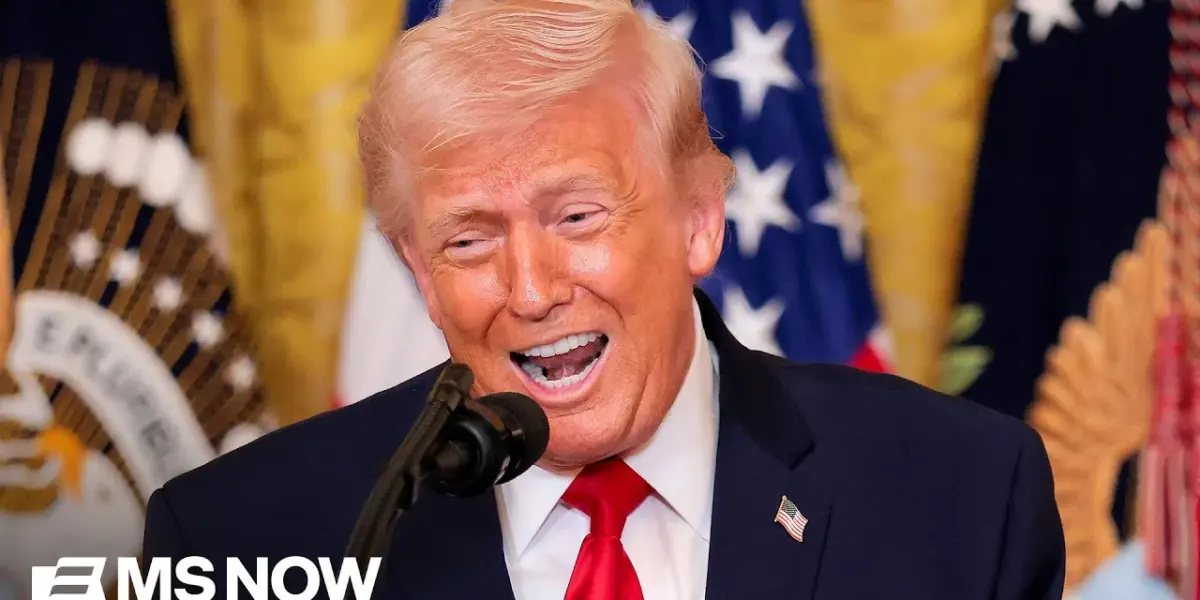
Global Tensions Escalate Amidst Unclear White House Strategy
In a rapidly evolving geopolitical landscape, the United States finds itself grappling with escalating tensions in the Middle East, marked by significant loss of life and economic disruption. The conflict, initiated on February 28th, has resulted in the deaths of eight American service members and injuries to dozens more. The situation has been further complicated by reports of an American refueling plane lost in Iraq, though the exact cause remains unclear. This unfolding crisis is occurring against a backdrop of concerning domestic incidents, including a fatal shooting at Old Dominion University in Virginia and an attack on a synagogue in West Bloomfield, Michigan, where a suspect rammed a car into the building, reportedly containing explosives.
Strait of Hormuz Blockade Cripples Global Oil Trade
The vital Strait of Hormuz, a critical chokepoint for approximately 20% of the world’s oil traffic, remains effectively shut down for non-Iranian vessels. Iran’s new supreme leader has declared the strait will stay closed indefinitely, leading to a backlog of over 1,000 ships unable to transit. This blockade impacts not only oil but also essential commodities like fertilizer and sulfur. The disruption has sent oil prices soaring, with benchmarks approaching $100 a barrel, a trend that analysts predict is unlikely to abate soon.
White House Scrambles for a Coherent Response
Despite the escalating crisis, reporting from The New York Times, based on interviews with a dozen U.S. officials, suggests a significant lack of foresight and planning within the White House regarding the potential consequences of the conflict. The administration’s response has been characterized by apparent disarray and rapid policy shifts.
Unusual Insurance Proposal Meets Skepticism
In an attempt to address the economic fallout, President Trump announced that the U.S. Development Finance Corporation (DFC) would offer political risk insurance at a reasonable price for crude carriers and cargo ships operating in the Gulf. This plan, reportedly valued at $20 billion, has been met with skepticism. The U.S. government has no prior expertise in wartime maritime insurance, a market traditionally dominated by entities like Lloyd’s of London. The Wall Street Journal reported that the White House scrambled to develop this market “on the fly,” even calling London insurers to understand how the market operates. The DFC’s plan has since pivoted to proposing the funds as reinsurance for insurers, rather than direct coverage. Furthermore, the federal reinsurance will be limited to ships meeting unspecified criteria.
Escort Plan Faces Delays and Retractions
President Trump also proposed that the U.S. Navy would escort tankers through the Strait of Hormuz if necessary. However, this plan has also been mired in confusion. Earlier in the week, Secretary of Energy Rick Perry claimed the U.S. had already escorted a ship, a claim later retracted by the White House without explanation. Perry has since stated that escorts will happen “relatively soon,” but acknowledged that the U.S. is “simply not ready” for such operations at present. This delay raises questions about the feasibility and timeline of the proposed naval escorts, especially considering the conflict was initiated by the U.S. and Israel.
Trump’s Controversial View on High Oil Prices
Adding to the controversy, President Trump has publicly stated that high oil prices are beneficial for the United States. He argued on social media, “The United States is the largest oil producer in the world by far, so when oil prices go up, we make a lot of money.” This perspective suggests a focus on the profits of American oil companies, even at the expense of higher costs for consumers and the potential risk to U.S. service members escorting tankers. This stance has been widely criticized as out of touch with the economic realities faced by the public.
Strategic Reserves Release: A Policy Flip-Flop
The administration’s handling of the Strategic Petroleum Reserve (SPR) also highlights its policy inconsistencies. On Tuesday morning, Secretary Perry informed foreign leaders that the White House opposed a coordinated release of oil from strategic reserves by the International Energy Agency (IEA). However, less than two hours later, Perry reversed this position, advocating for the release. This sudden change of heart coincided with President Trump’s announcement that the IEA had agreed to a coordinated release of 400 million barrels of oil from national petroleum reserves, a move intended to reduce oil prices and mitigate the threat to global stability.
Incoherent Messaging and National Security Concerns
The conflicting statements and policy reversals have led to a perception of incoherence surrounding the administration’s strategy. This is further compounded by President Trump’s claims regarding alleged Iranian sleeper cells within the U.S. He asserted that the U.S. knows about these cells, many of whom allegedly entered the country through “Biden’s stupid open border,” and claims they are being monitored. However, the assertion that the government is aware of these potential threats but has taken no action to deport them raises serious national security questions and underscores the erratic nature of the administration’s public communications.
Looking Ahead: Stability and Strategy Remain Uncertain
As the global economy reels from the impact of the Strait of Hormuz blockade and oil prices continue to climb, the international community watches closely for a clear and consistent strategy from the White House. The effectiveness of the proposed insurance and escort plans, coupled with the administration’s messaging on oil prices and national security, will be critical in determining the trajectory of this escalating crisis. The coming weeks will likely reveal whether the current approach can bring stability or if further policy adjustments are necessary to de-escalate tensions and protect global economic interests.
Source: Trump celebrates high oil prices: ‘We make a lot of money’ (YouTube)

Related Articles

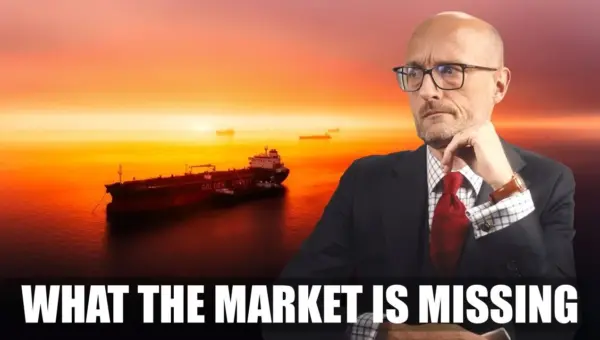
Stocks Ignore War Risks, Focus on “Taco Moments”
Stock markets appear to be overlooking the severe supply chain risks stemming from the Iran conflict, focusing instead on potential diplomatic de-escalations. While the S&P 500 shows resilience, bond and commodity markets signal deep concern over disruptions to critical resources like LNG, helium, and fertilizers.
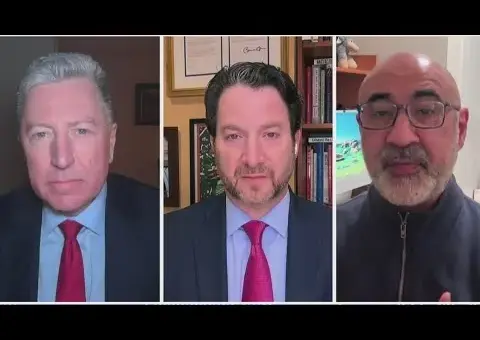
U.S. Iran Tensions Rise Amid Shifting Alliances
Rising tensions between the U.S. and Iran are creating a volatile geopolitical situation. With conflicting signals on de-escalation and potential shifts in alliances like NATO and U.S.-Israel relations, the path forward remains uncertain. The global economy and regional stability hang in the balance.
Trump Halts Iran Strikes Amid Stalled Diplomacy
President Trump announced a pause on planned strikes against Iran, citing productive talks, though Iran denies negotiations occurred. Reports also suggest a potential U.S. ground operation on Iran's Hark Island. The situation raises concerns about international support for Ukraine and potential shifts in U.S. foreign policy.