Trump’s Obsession With Obama Fuels His False Narratives
Donald Trump's repeated attempts to associate himself with Barack Obama's successes, particularly concerning the killing of Osama bin Laden, reveal a pattern of narrative manipulation rather than genuine accomplishment. Fact-checks consistently debunk these claims, showing a deep-seated insecurity and a reliance on repeating falsehoods. Obama himself has spoken about the public's preference for decency over deception, highlighting citizen action as the key to a functioning democracy.

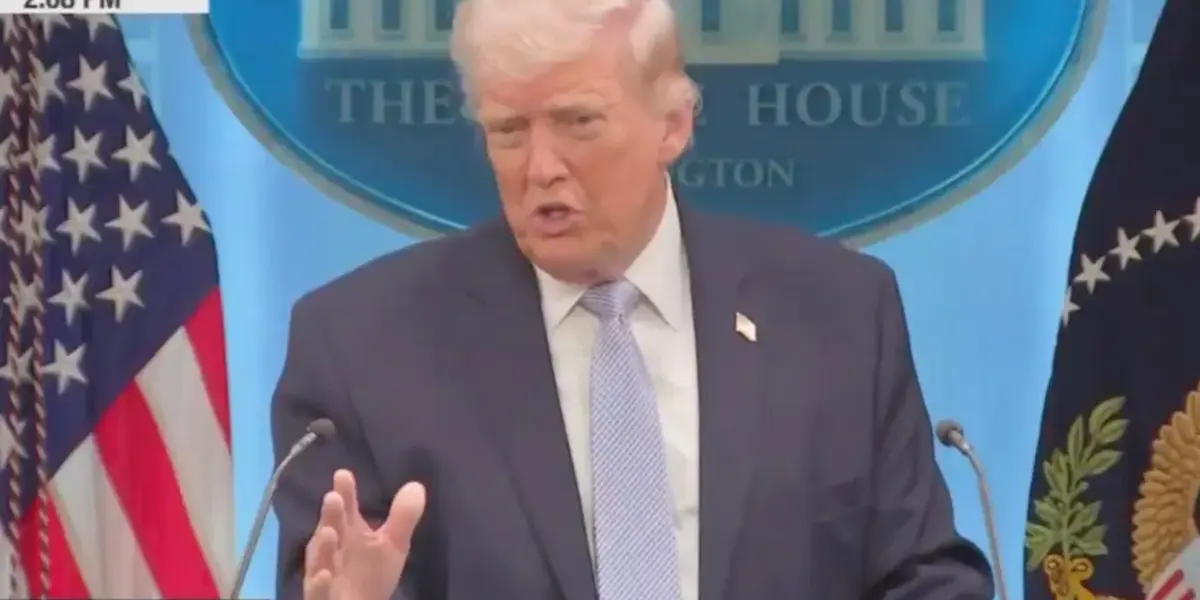
Trump’s Constant Echoes of Obama Reveal a Deep Insecurity
Donald Trump frequently brings up former President Barack Obama, especially when discussing his own perceived accomplishments. This pattern suggests a deep-seated need for validation, where Trump seems to measure his own presidency against Obama’s. It’s as if Obama lives rent-free in Trump’s mind, constantly influencing his narrative and public statements.
Reclaiming Narratives: The Bin Laden Story
One striking example of this pattern involves the killing of Osama bin Laden. Trump has claimed he was responsible for this action, even suggesting he predicted it years earlier in a book. He implies that Obama merely took credit for something he would have accomplished anyway. However, fact-checkers have thoroughly debunked this claim. CNN reported that Trump’s book, “The America We Deserve,” did not specifically call for Bin Laden’s elimination. In fact, the book only mentioned Bin Laden in passing while criticizing U.S. foreign policy. This suggests Trump is attempting to rewrite history to bolster his own image.
The Truth About Trump’s Predictions
While Trump did predict major terrorist attacks in his book, he did not name Bin Laden or any specific individual as the perpetrator. He merely stated that such attacks were a possibility, a concern shared by many analysts at the time. His book also acknowledged that President Bill Clinton had already targeted Bin Laden after the 1998 embassy bombings. Trump’s current claims distort these facts, presenting his general observations as unique, prescient insights.
“The report found serious problems and suggests new rules that would affect all holders.”
A Pattern of Manipulation, Not Mistakes
The repeated distortion of facts surrounding Bin Laden is not a simple gaffe or mistake. Instead, it appears to be a deliberate strategy of manipulation. Trump seems to operate on the principle that repeating a lie often enough can make people believe it. His former aide, Stephanie Grisham, noted that Trump believed, “As long as you keep repeating something, it doesn’t matter what you say.” This tactic is evident in many of his public statements and claims.
More Than Just Bin Laden: A History of Falsehoods
This pattern of repeating falsehoods extends far beyond the Bin Laden narrative. Consider Trump’s persistent claims about the 2020 election being stolen. Despite losing 64 court cases, including those presided over by judges he appointed, he continues to assert that the election was fraudulent. There is simply no evidence to support these claims. Similarly, his denials about the Russia investigation ignore the indictments and guilty pleas of numerous associates, including Paul Manafort and Michael Flynn.
The ‘Autopen’ Conspiracy and Targeting Children
Trump’s tendency to spread misinformation extends to bizarre claims about President Biden using an ‘autopen’ to sign documents, suggesting incompetence. He has even been observed sharing these conspiracy theories with young children at campaign events. This behavior highlights a willingness to target anyone, regardless of age or background, in his efforts to promote his narrative. The focus remains on maintaining his image and influence, even when the audience is impressionable.
Obama’s Perspective: Decency Versus Distraction
Barack Obama himself has commented on Trump’s tactics, noting that while they may garner attention and serve as distractions, the majority of Americans value decency, courtesy, and kindness. He observes a loss of decorum and respect for the office that was once paramount. Obama believes that ultimately, the American people will reject this behavior. He points to the organized community efforts seen in places like Minneapolis following the George Floyd protests as an example of citizens pushing back against perceived abuses of power with truth and peaceful action.
The Minneapolis Example: Citizen Activation
Obama highlighted the actions in Minneapolis and St. Paul as a powerful example of citizens standing up for their values. He described how federal agents were deployed with unclear guidelines, leading to concerning incidents. In response, ordinary citizens organized, showed decency, and peacefully protested. This kind of sustained action, he argued, is what gives hope and reminds us that a functioning democracy relies on an engaged and attentive public. It is this citizen activation that can restore norms, the rule of law, and decency.
Values Under Test
Obama also reflected on how easily stated values can be forgotten when they are challenged. He suggested that it’s easy to believe in free speech or the Golden Rule during peaceful times. However, it is during difficult moments, when these values are truly tested, that we see who is committed to them. The actions of people in Minneapolis and across the country, he noted, demonstrate a commitment to living up to those deeply held American values, offering a path forward.
The Choice: Decency or Deception
Ultimately, the core of the issue lies in a choice between decency and lies. Trump, by constantly trying to claim credit for Obama’s successes, shows he understands that Americans likely prefer decency. However, his methods rely on smoke and mirrors, a strategy that is becoming increasingly transparent. The public appears to be recognizing that his claims are often empty, a performance designed to manipulate rather than inform.
Source: Trump LOSES IT over Obama in HUMILIATING confession (YouTube)

Related Articles
25th Amendment Calls: Can JD Vance Act Against Trump?
Searches for the 25th Amendment are spiking as public figures and citizens demand action regarding Donald Trump's behavior. The process hinges on Vice President JD Vance, who must secure support from Congress or the Cabinet to initiate removal. This analysis explores the challenges and potential future actions, including congressional hearings if Democrats regain control.

Fox News Hosts Falter as Trump’s Iran Stance Backfires
Fox News personalities appeared flustered and divided as Donald Trump's aggressive stance on Iran faced rejection and criticism. The segment highlighted conflicting narratives, blame-shifting, and defenses of Trump's image amidst international tensions.
Trump’s Iran Threats Met With Laughter, Expert Says
Former Royal Navy officer John Foreman believes Iran is 'laughing' at President Trump's escalating threats over the Strait of Hormuz. Foreman suggests Trump's "outlandish rhetoric" stems from miscalculations and a lack of preparedness for the conflict, while military officials convene to plan for the vital waterway's eventual reopening.