Trump’s Nuclear Rhetoric Sparks Global Outcry, Expert Warns
Malcolm Nance, a former U.S. Navy intelligence officer, has voiced alarm over former President Donald Trump's "blithe attitude" towards nuclear weapons and his threats against Iran. Nance argues this rhetoric is unprecedented and dangerous, drawing condemnation from global leaders and sparking calls for constitutional measures.

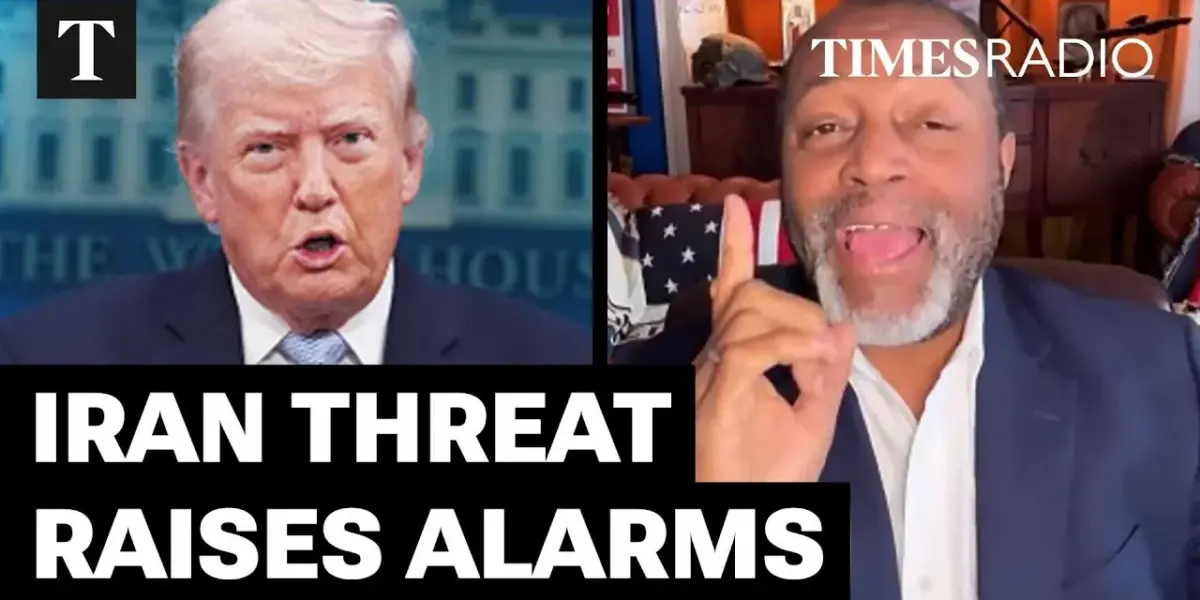
Trump’s ‘Blithe Attitude’ Towards Nuclear Weapons Sparks Alarm
Former U.S. Navy intelligence officer Malcolm Nance has raised serious concerns about former President Donald Trump’s rhetoric regarding nuclear weapons, particularly his threats against Iran. Nance described Trump’s approach as a “blithe attitude” towards weapons of mass destruction, a stance he believes is unprecedented in U.S. history since the atomic bombings of Hiroshima and Nagasaki.
The controversy erupted following reports of President Trump issuing dire warnings to Iran, including a statement that a “whole civilization will die tonight, never to be brought back again.” While the White House has denied explicitly threatening to use nuclear weapons, Trump’s own words have fueled speculation and alarm among international leaders and experts.
Global Leaders Condemn Trump’s Nuclear Threats
The president’s aggressive language drew swift condemnation from various global figures. Pope Francis criticized the threats against Iran as “truly unacceptable,” emphasizing that the issue transcends international law and is fundamentally a moral one.
Pakistan’s Prime Minister Shehbaz Sharif called for an extension of the deadline for Iran, urging diplomatic efforts for a peaceful settlement. Sharif highlighted that diplomatic progress was being made, suggesting a potential pathway to de-escalation.
Expert Analysis: The Dangers of Nuclear Rhetoric
Malcolm Nance, drawing on his experience as a former U.S. Navy intelligence officer and having worked at a national nuclear command post, stressed the catastrophic nature of nuclear weapons. He explained that these weapons do not merely kill those on whom they are dropped; they atomize the land and spread radioactive material globally.
“No president in the United States since the advent of atomic weapons other than Harry S. Truman who actually authorized the use to vaporize 200,000 people in less than a second in Hiroshima and Nagasaki has ever ever toyed with the words or the threats of an atomic bomb.”
Nance criticized the White House’s attempts to downplay the threat, stating that regardless of denial, the president uttered words that threatened the “Persian civilization,” which has existed for 5,000 years. He argued that such rhetoric is irresponsible and should not be tolerated from someone with control over the U.S. nuclear arsenal.
Calls for Removal and Constitutional Measures
The gravity of Trump’s statements has led to discussions about invoking the 25th Amendment, a constitutional mechanism that allows the Vice President to take over presidential duties if the President is deemed unable to fulfill them. Nance supported this view, arguing that Trump’s perceived irresponsibility in handling nuclear threats warrants serious consideration of his removal from command.
He specifically pointed to Vice President Mike Pence’s remarks in Budapest, which suggested the U.S. had “tools in our toolkit that we so far haven’t decided to use,” implying nuclear options. Nance found these comments deeply concerning, stating that the threat itself demonstrates a lack of responsibility.
Military Implications and Potential War Crimes
Nance also addressed the potential for U.S. military action against Iranian infrastructure, such as bridges and power plants. He noted that while these could be lawful targets in wartime, systematically destroying all life support systems could be construed as a war crime.
He warned of the devastating consequences for U.S. allies in the Gulf region, including Saudi Arabia, Kuwait, and Qatar. The destruction of desalination plants could trigger a massive water crisis, affecting millions. Iran has also indicated it would retaliate against such targets in neighboring Gulf states.
The Strait of Hormuz and Economic Ramifications
The conflict also involves the Strait of Hormuz, a critical chokepoint for global oil transportation. Nance recalled his own experiences in the Persian Gulf during the 1980s, noting that freedom of navigation was previously guaranteed. He suggested that the U.S. initiated the recent escalation, not Iran.
Nance believes that Trump may be seeking an “offramp” to de-escalate the situation, partly due to the war’s unpopularity and its impact on voters. He predicted that once a de-escalation occurs, the Strait of Hormuz would likely reopen without further threat.
Looking Ahead: Diplomacy vs. Escalation
As the situation remains tense, the world watches to see if diplomatic efforts will prevail over escalatory rhetoric. The response from Iran, combined with the ongoing international pressure, will be crucial in determining the path forward. The potential for miscalculation and the devastating consequences of nuclear conflict loom large, making de-escalation the paramount concern.
Source: Trump’s 'Blithe Attitude To Nuclear Arms' Raises Alarms With Threats To Destroy Iran | Malcom Nance (YouTube)

Related Articles

Troops Could Block Trump’s Iran Orders, Experts Warn
Experts suggest U.S. troops might legally refuse orders from a future President Trump concerning Iran, potentially creating a military dilemma. This would signal a serious breakdown between civilian and military leadership, as military advice and adherence to international law are critical.


Iran’s People Gain Chance to Reclaim Nation
A recent de-escalation between the US and Iran offers a chance for the Iranian people to reclaim their country. An activist highlights the regime's oppression and the US political divide, arguing for supporting internal change. The long-term economic and geopolitical implications, especially regarding oil prices and nuclear capabilities, remain significant.

Iran Truce Deal: What’s Next for Middle East Tensions?
Iran, the US, and Israel have reportedly agreed to a conditional two-week ceasefire, which includes reopening the vital Strait of Hormuz. Experts express caution about the truce's longevity, while analyzing its potential impact on Iran's proxies and the political landscape.