Trump’s Nuclear Hypocrisy: A Nation’s Fearful Reflection
Donald Trump's assertion that 'crazy people shouldn't have nuclear weapons' is analyzed as a profound hypocrisy, questioning America's own stewardship of its nuclear arsenal. The piece explores the historical context of U.S. nuclear use and its impact on global proliferation fears.

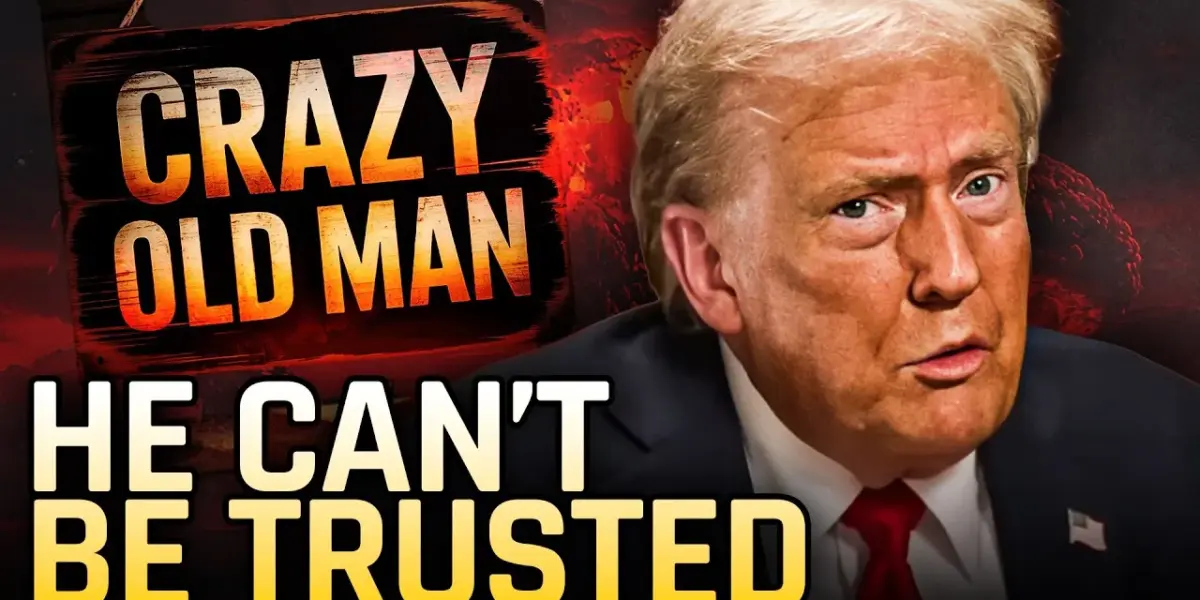
Trump’s Nuclear Hypocrisy: A Nation’s Fearful Reflection
In a recent public statement, Donald Trump declared that “crazy people shouldn’t have nuclear weapons.” This assertion, coming from a figure whose mental acuity has been a subject of frequent public speculation, carries a peculiar weight. The former president’s exact words, “When crazy people have nuclear weapons, bad things happen,” are striking not just for their content, but for their potential to be turned inward. The implication is clear: if such weapons are too dangerous for the ‘crazy,’ then who, among those who wield them, can truly be deemed sane enough? This statement, intended perhaps to critique others, inadvertently casts a harsh light on the very nation and the individuals who control the world’s most devastating arsenal.
The Paradox of American Nuclear Power
The speaker in the transcript immediately pivots, suggesting that the United States, and by extension its leadership, might be the ‘crazy people’ to whom Trump’s warning most aptly applies. The argument hinges on a stark assessment of America’s unique history with nuclear weapons. Unlike any other nation, the United States has used them in warfare, dropping atomic bombs on Hiroshima and Nagasaki during World War II. This historical fact, the transcript argues, sets the U.S. apart. While other nuclear-armed states often cite deterrence or a need for parity as reasons for their arsenals, the U.S. has a demonstrated history of deployment. This distinction, the argument goes, should prompt introspection rather than outward condemnation of other nations seeking nuclear capabilities.
The transcript posits that America’s own possession and history with nuclear weapons are precisely what fuels global proliferation fears. The narrative suggests that other nations do not stockpile these weapons out of aggressive intent, but out of a genuine fear of what the United States, perceived as a potentially volatile actor, might do. The fear is not of a neighbor, but of a superpower with a history of use and an arsenal of unparalleled size. This creates a self-perpetuating cycle: the U.S. fears nuclear proliferation, leading to its own massive stockpile and assertive posture, which in turn exacerbates the fears of other nations, driving them to seek their own nuclear deterrents.
Historical Context: The Dawn of the Nuclear Age
The advent of nuclear weapons in the mid-20th century irrevocably altered the landscape of international relations. The Manhattan Project, culminating in the bombings of Hiroshima and Nagasaki in August 1945, ushered in an era of unprecedented destructive capability. While the immediate justification was to end World War II, the long-term consequence was the creation of a global security dilemma. The Cold War saw a tense standoff between the United States and the Soviet Union, characterized by a nuclear arms race and the doctrine of Mutually Assured Destruction (MAD). This period underscored the immense power and terrifying potential of these weapons, embedding them as central to global power dynamics.
Over the decades, the issue of nuclear proliferation has remained a persistent challenge. Treaties like the Nuclear Non-Proliferation Treaty (NPT) aim to prevent the spread of nuclear weapons, promote disarmament, and facilitate the peaceful use of nuclear energy. However, the existence of nuclear weapons in the hands of a few, coupled with the perceived security guarantees they offer, continues to incentivize some nations to pursue them. The transcript’s argument taps into this historical tension, suggesting that the U.S. has a unique responsibility, given its pioneering role and its current status as a dominant nuclear power, to address the root causes of proliferation.
The ‘Crazy People’ Argument Re-examined
The transcript challenges the notion that the United States is inherently a responsible custodian of nuclear power. It alludes to concerns about the physical and mental fitness of leaders, pointing to Trump’s own physical ailments and cognitive questions raised by experts. The argument is that if ‘crazy people’ shouldn’t have nuclear weapons, then the criteria for ‘crazy’ must be applied universally, including to those in positions of ultimate authority within nuclear-armed states. The sheer power vested in a single individual, coupled with the potential for impaired judgment, creates a scenario that is, by the speaker’s logic, inherently dangerous.
The critique extends to the perceived hypocrisy of U.S. politicians decrying other nations’ nuclear ambitions. The transcript suggests that these ambitions are often a direct response to the perceived threat posed by the U.S. nuclear arsenal. The fear of what the ‘crazy people in the United States could potentially do to them’ is presented as the primary driver for nuclear programs elsewhere. This framing positions the U.S. not as a benevolent guardian of global security, but as a destabilizing force whose actions necessitate the very proliferation it seeks to prevent.
Why This Matters
Donald Trump’s statement, however unintentionally, has opened a Pandora’s Box of uncomfortable questions about nuclear responsibility. The transcript’s analysis forces a critical examination of the U.S. role in the global nuclear order. It challenges the often-unquestioned narrative of American exceptionalism in matters of national security and nuclear stewardship. If the U.S. is to advocate for non-proliferation, it must confront its own history and the perception of its own leaders and military capabilities as a potential threat.
Implications, Trends, and Future Outlook
The discourse surrounding nuclear weapons is constantly evolving. As geopolitical tensions rise, the specter of nuclear conflict, once relegated to the Cold War era, has re-emerged with chilling relevance. The transcript’s argument highlights a growing segment of public opinion that is critical of the status quo and calls for greater accountability from nuclear powers. This sentiment could influence public discourse and potentially pressure policymakers towards more robust disarmament initiatives and a more nuanced approach to international security.
The future outlook for nuclear arms control is uncertain. While international agreements and diplomatic efforts continue, the erosion of trust between major powers and the modernization of nuclear arsenals present significant challenges. The transcript’s perspective suggests that a fundamental shift in perspective is needed – one that recognizes the interconnectedness of global security and acknowledges that true safety may lie not in the accumulation of weapons, but in their abolition. The argument that the U.S. must ‘put our money where our mouth is’ by disarming or significantly reducing its arsenal, if it truly wishes to prevent proliferation, is a powerful one that resonates with calls for global equity and peace.
In conclusion, Donald Trump’s seemingly simple statement about ‘crazy people’ and nuclear weapons, when unpacked, reveals a complex and deeply troubling paradox at the heart of American nuclear policy. The transcript’s analysis serves as a potent reminder that the ultimate authority over the most destructive weapons ever created carries an immense burden of responsibility, and that the perception of that responsibility by the rest of the world is as critical as the reality of its exercise.
Source: Trump ADMITS He Shouldn’t Be Trusted with Nukes (YouTube)

Related Articles

US Iran War: Trump’s Policy Shakes Allies, Risks Election
The United States has launched an unexplained war in Iran, sparking concern among allies and domestic voters. The conflict's unclear objectives and potential impact on upcoming elections are major points of contention. Russia's global standing is also affected, with its alliances weakening.

GOP Rhetoric Fuels Christian Nationalist ‘Crusade’ Fears
Concerns are rising over the infusion of Christian nationalist ideology into U.S. foreign policy, with critics warning of a 'crusade' mentality. Rhetoric from some Republican figures frames international conflicts and domestic issues through a specific religious lens, sparking fears of alienation and a departure from secular governance.


Trump’s Texas Dilemma: Endorse Cornyn or Paxton?
Donald Trump faces a critical decision in the Texas Republican primary, choosing between endorsing incumbent John Cornyn or MAGA loyalist Ken Paxton. The choice could alienate his base or risk a general election defeat. Meanwhile, Democratic nominee Ted Lieu must unite the party and broaden his appeal.