Trump’s ‘No Deals’ Edict Sparks Chaos, Threatens GOP Elections
Donald Trump's "no deals" directive has fueled government shutdown chaos, impacting airports and straining public services. Republican leaders struggle to explain Trump's actions, while key party figures confirm his rejection of bipartisan solutions. This internal division and voter dissatisfaction are contributing to Democratic gains in traditionally Republican areas.

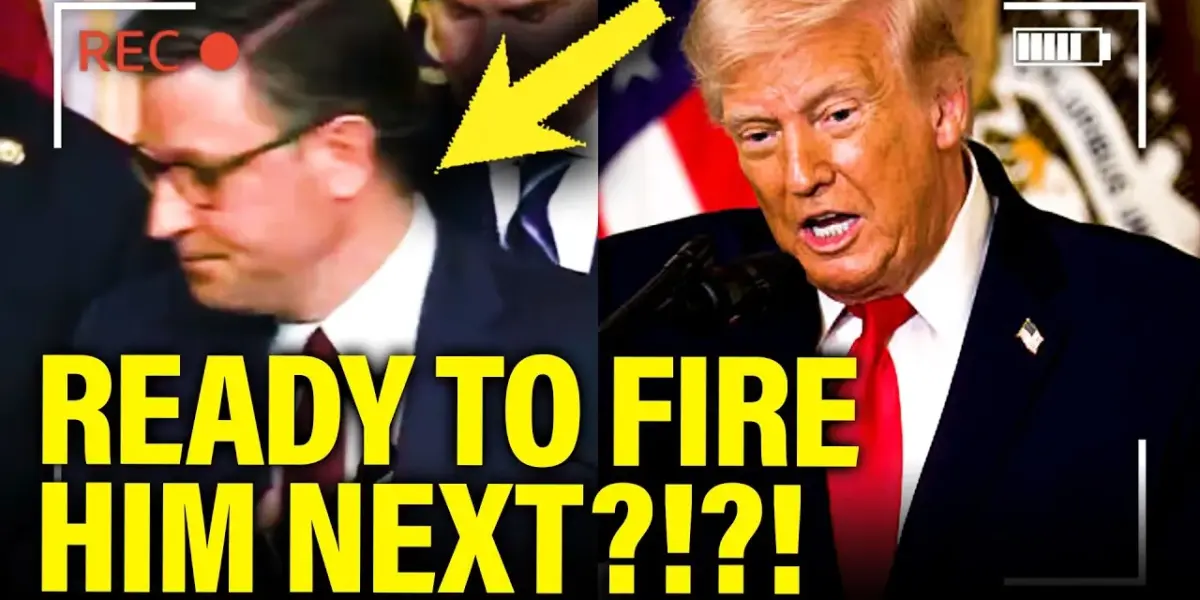
Trump’s Border Strategy Fuels Government Shutdown, Airport Woes
Republicans and Democrats are struggling to find common ground on government funding, leading to significant disruptions. At the heart of the issue is a directive from former President Donald Trump, who has reportedly told Republicans to make “no deals with Democrats.” This stance has complicated efforts to resolve the ongoing government shutdown, which is affecting vital services like airport operations.
House Speaker Mike Johnson found himself in a tough spot during a recent press conference. A Fox News reporter pressed him on why President Biden wasn’t more involved in ending the shutdown, especially since Trump’s actions are seen as a primary cause. Johnson’s responses were evasive, highlighting the difficulty Republicans face in explaining Trump’s decisions.
Airport Chaos Impacts Travelers
The shutdown has led to widespread problems at airports across the country. Travelers are showing up hours before their flights, only to miss them due to understaffing and delays. One traveler, heading to a high school reunion, expressed frustration after arriving at 3:00 AM for a flight and still facing uncertainty.
“It would be ideal. This isn’t uh working for us right now. Fire them all. Fire them all.”
This sentiment reflects the growing unease among the public, who are bearing the brunt of the political stalemate. The situation raises questions about the effectiveness of current leadership and the impact of partisan politics on everyday life.
Republican Senator Confirms Trump’s Block on Bipartisan Deal
Senator John Kennedy, a Republican often seen as aligned with Trump, confirmed that the former president personally rejected a bipartisan deal. This deal would have funded the Transportation Security Administration (TSA) and reopened government services, ending the airport chaos. According to Kennedy, Senate Republicans had a plan to fund Homeland Security and pay TSA workers, while addressing other issues like Immigration and Customs Enforcement (ICE) funding separately.
However, Trump’s instruction to avoid any agreements with Democrats halted progress. Kennedy explained the situation on Fox News:
“The Democrats have offered to open up everything but ice. Uh Chip, I said, ‘Okay, let’s accept their offer.’ And then uh at the same time we would offer a a bill for reconciliation where we don’t need any Democratic votes to do whatever we wanted to do with ICE and that way we’re out of the shutdown and DHS is back open. Uh we submitted that Senator submitted that to President Trump uh as is his right. He said no no deals with the Democrats. Um, so we’re we’re back to square one.”
This admission underscores a significant challenge for the Republican party: navigating the influence of Donald Trump on policy decisions, even when a consensus appears achievable.
Speaker Johnson’s Deflection on Mail-In Voting
The interview also touched upon Donald Trump’s stance on mail-in voting. Trump has frequently called mail-in voting rigged and a form of cheating. However, he himself recently voted by mail in Florida.
When asked to reconcile these statements, Speaker Johnson suggested that some states, like Florida, handle mail-in balloting well with strong systems to prevent fraud. He contrasted this with other states where he believes sending ballots widely opens the door to potential fraud. Johnson emphasized the importance of election integrity, stating that in-person voting with photo ID is a clearer path to ensuring fair elections, a point he believes Trump is trying to make.
Broader Party Splits and Election Concerns
This situation with the shutdown and Trump’s directives is part of a larger pattern of division within the Republican party. While some Republican senators acknowledge Trump’s role in blocking funding, Speaker Johnson appears to deflect. Similarly, opinions on foreign policy, such as the situation with Iran, vary widely among GOP officials.
Some within the party are worried that these internal conflicts could hurt them in upcoming elections. Fox News contributor Kaylee McGough expressed concern about potential losses in the midterm elections if the party remains divided. She specifically pointed to high oil prices and ongoing military actions as factors that could negatively impact Republican performance.
“I think if you add in high gas prices, high oil prices, and if we are still bombing Iran with kinetic action, people don’t want to call it war, but if there’s still kinetic action that causes oil to be over $100, I think you’re going to see a disastrous election.”
Democrats Gain Ground in Key Areas
Recent election results suggest that Democrats are making inroads, even in traditionally Republican areas. The flip of a Democratic seat in Florida, within a district considered a base for Trump, is a notable example. Democrats are reportedly winning local elections across various states, including Florida, Georgia, Mississippi, Texas, Pennsylvania, and Wisconsin.
Since Trump’s return to office, Democrats have flipped around 30 state legislative seats nationwide. This trend indicates that the Republican party’s core message might not be resonating as strongly as it once did, particularly on issues like the economy and immigration.
Voter Disappointment and Future Outlook
Interviews with voters reveal a sense of disappointment and concern about the current political climate. One individual expressed worry about the focus on division rather than national goals and the potential for conflict with Iran. They emphasized the importance of voting for candidates who will protect ordinary citizens.
The fact that voters in reliably Republican areas are electing Democrats suggests a shift in political appeal. It appears that the message Donald Trump and his allies are promoting is not connecting with a significant portion of the electorate. This disconnect could pose a serious challenge for the Republican party as they look towards future elections, especially if they continue to prioritize partisan loyalty over practical solutions.
Why This Matters
The events surrounding the government shutdown and the clear influence of Donald Trump’s directives highlight a critical juncture for American governance. When a former president can effectively halt bipartisan efforts to fund essential services, it raises serious questions about the stability and functionality of the political system. The resulting chaos at airports and the strain on government workers are not just inconveniences; they are tangible consequences of political gridlock driven by personal directives rather than national interest.
Implications and Future Trends
The current situation suggests a growing divide within the Republican party itself. While some members seem willing to challenge Trump’s influence, others remain firmly aligned, creating internal friction. This split could have significant implications for the party’s ability to unite and present a cohesive message in future elections. The reported gains by Democrats in traditionally red areas indicate a potential shift in voter sentiment, suggesting that the political landscape is evolving.
Historical Context
Government shutdowns are not new in American politics, often stemming from disagreements over spending and policy priorities. However, the direct intervention of a former president dictating terms, as seen in this case, adds a unique layer to the ongoing political narrative. This level of influence from an unelected individual on legislative action represents a departure from traditional political processes and could set a precedent for future political dynamics.
Looking Ahead
The coming months will be crucial for both parties. Republicans must grapple with their internal divisions and determine how to move forward, balancing the demands of their base with the need for practical governance. Democrats, on the other hand, appear to be capitalizing on the perceived disarray within the GOP, seeking to expand their electoral gains. The ability of leaders to bridge divides, prioritize public service, and address pressing national issues will ultimately shape the political future and the trust voters place in their government.
Source: MAGA Mike PANICS ON LIVE TV as JOB is in JEOPARDY!! (YouTube)

Related Articles
TSA Workers Get Paid After Record Absences
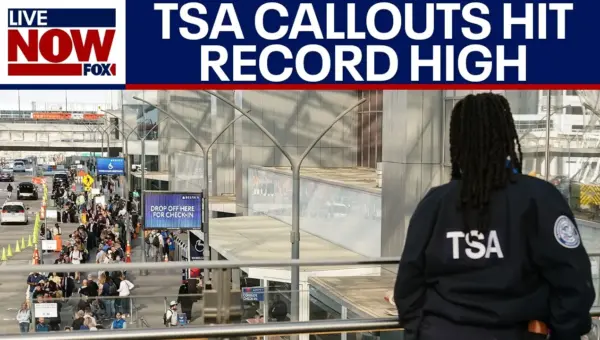
TSA agents will finally receive paychecks after working nearly six weeks without salary, following a directive from President Trump. Record high absences had strained airport operations and caused significant passenger delays. The situation has sparked calls for better protections for essential workers during government shutdowns.
House Republicans Reject Senate Deal, Sparking Government Funding Clash
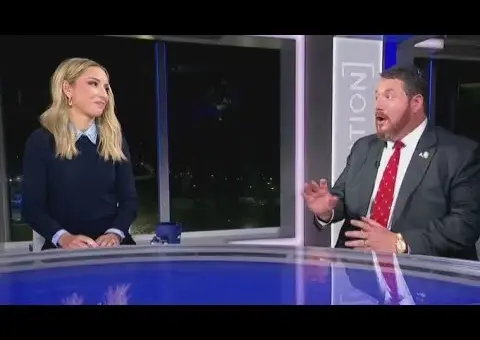
House Republicans have rejected a Senate bill to end the government shutdown, citing insufficient border security measures. Congressman Randy Fine called the Senate deal a "disgrace" and highlighted the ongoing fight for full government funding. President Trump's executive order to pay TSA agents offers temporary relief, but the core disagreement over border security continues to paralyze Washington.

Tiger Woods Arrested for DUI After Crash
Golf legend Tiger Woods was arrested for DUI in Florida following a dramatic rollover crash. Meanwhile, a government shutdown continues as House Republicans block a Senate deal, leading to airport chaos and TSA worker pay issues. The stock market also plummeted into correction territory amid fears of a prolonged Iran conflict.