Trump’s NATO Pressure Weakens Alliance, Experts Warn
US President Donald Trump's persistent criticism is weakening NATO, eroding trust among member states and emboldening adversaries like Russia, experts warn. While a full US withdrawal is unlikely, reduced American engagement poses a significant threat to the alliance's stability. Europe is stepping up its defense contributions, leading to a potential shift in leadership dynamics within the organization.

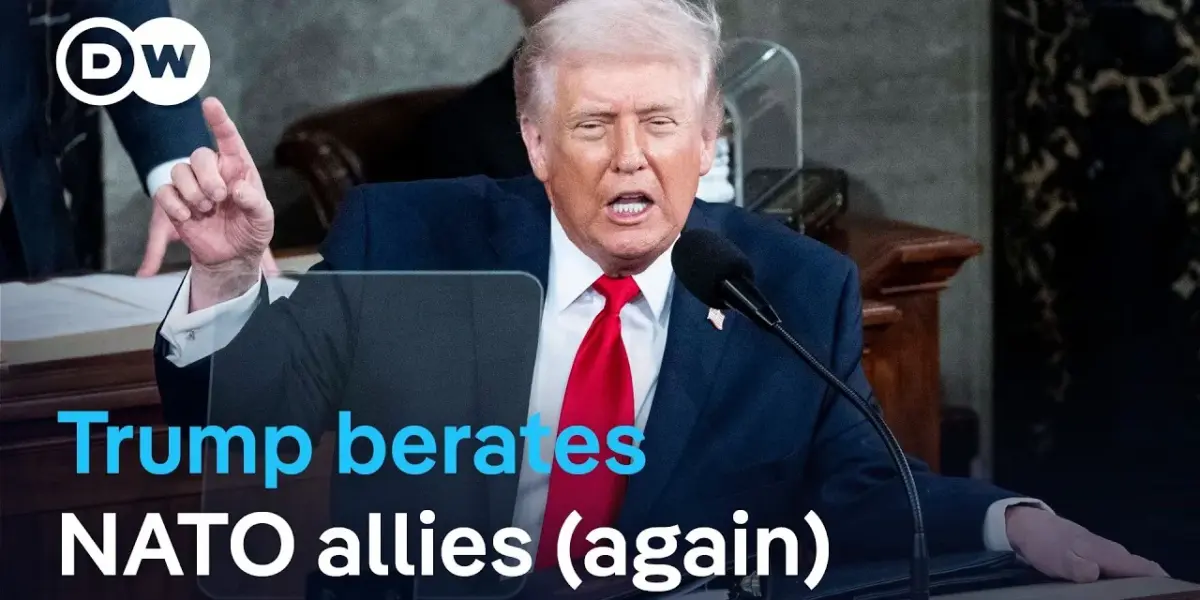
NATO Faces Crisis as US Support Falters
The North Atlantic Treaty Organization (NATO), a cornerstone of Western security for decades, is facing unprecedented pressure that experts warn could break the alliance. At the heart of the issue is the United States’ commitment, particularly under the questioning stance of former President Donald Trump. This uncertainty is eroding trust among the 32 member nations, jeopardizing the collective defense pact that relies heavily on mutual faith.
Trump’s Doubts Undermine Alliance Strength
Donald Trump has consistently voiced concerns about European nations not contributing their fair share to defense spending and not supporting U.S. initiatives. Elizabeth Braw, from the Atlantic Council’s Scowcroft Center for Strategy and Security, explains that Trump’s repeated public doubts about NATO’s value and member states’ commitments actively weaken the alliance. Even if other members remain dedicated, these public criticisms create divisions and diminish NATO’s overall strength.
Braw noted, “The changes are already happening, because the alliance’s most important, most powerful member is in the person of Donald Trump questioning the nature of the alliance, the value of the alliance.” She added that the more Trump doubts NATO, the more he weakens it, by extension changing its nature without necessarily ending it.
NATO Chief Echoes Calls for Change
Interestingly, NATO Secretary General Jens Stoltenberg has acknowledged the need for adaptation. He stated, “Business as usual will not meet this moment.” Stoltenberg even applauded President Trump’s “bold leadership and vision,” highlighting instances where some allies were slow to provide support, such as during the Iran crisis. He emphasized that allies are responding to U.S. requests and that NATO protects both Europe and the United States.
However, Braw points out a crucial distinction. While Trump initially focused on defense spending, his complaints have shifted. He now criticizes allies for not supporting the U.S. in its conflict with Iran. Braw clarified that NATO is a defensive alliance designed to protect members when attacked. The U.S. initiated the conflict with Iran, making it the aggressor in that context. Therefore, there is no obligation for NATO members to support a U.S. war of aggression.
US Withdrawal Unlikely, Disengagement Feared
While Trump has threatened to pull the U.S. out of NATO, Braw believes a full withdrawal is improbable. Such a move would require congressional approval, which is unlikely given the bipartisan support for NATO within both the Republican and Democratic parties. Republicans, historically strong proponents of defense and transatlantic ties, and Democrats alike, are expected to oppose a complete exit.
Instead, Braw anticipates a more likely scenario: the U.S. disengaging or doing less for NATO. This reduced U.S. involvement, she warns, would be incredibly damaging, especially during a tense period in international relations. Trump’s frustration, fueled by the Iran conflict and even his mention of Greenland’s status, suggests a period of diminished U.S. engagement is probable.
Consequences of Weakened NATO
The weakening of NATO emboldens adversaries like Russia. A strong, united NATO deters aggression. When the alliance appears divided or weakened, it signals an opportunity for Russia to potentially harm member states. Braw explained, “If you don’t keep NATO and its 32 member states, if you don’t keep constantly signaling that, then you are signaling the opposite to Russia, namely that NATO is weakened, that it’s divided, and that provides an opening for Russia.”
Erosion of Trust in the US
The issue extends beyond U.S. commitment to NATO; other member nations are losing trust in the U.S. itself as a reliable partner. Braw highlighted that the U.S. has been dismissive of European countries and Canada, leading to feelings of hurt and a loss of faith. An example is the popularity of a Danish app called “Non USA,” which helps users avoid American products, reflecting a growing sentiment among Danes. This strain on the transatlantic bond, which has endured for decades, is a significant concern.
European politicians now face the difficult task of balancing the demands of their electorates, who are losing faith in the U.S., with the need to appease President Trump. This dilemma further weakens NATO.
Europe Takes on Greater Responsibility
While Trump’s pressure is seen as damaging, it has also spurred Europe to assume greater responsibility for its own defense. This shift, from what Braw calls “unhealthy codependence” to a more balanced partnership, is viewed as a positive development. European countries are taking on more senior military positions within NATO, reflecting a changing reality.
However, this also means the U.S. may no longer hold the unchallenged leadership role it once did. While still a powerful nation, its dominant position within NATO might be reduced. Braw stated, “America won’t have that unquestioned, unchallenged leadership role within NATO.” This is a reality the U.S. needs to adapt to, as strong international support is crucial for any major country.
Allies Unite Against Trump’s Stance
Ironically, Trump’s criticism might be binding NATO allies together against him. Germany, NATO’s largest defense spender in Europe, has emphasized the need to avoid further strain on U.S.-European relations and prevent a split in NATO. German leadership stressed the importance of keeping a cool head, especially regarding the conflict in Iran, which they view as a “transatlantic stress test.”
Trump, however, dismissed the German stance, saying, “When I heard the head of Germany say, ‘This is not our war about Iran.’ I said, ‘Well, Ukraine’s not our war. We helped, but Ukraine’s not our war.'” This highlights the fundamental misunderstanding of NATO’s purpose and the nature of different conflicts.
A Perilous Time for Global Security
Braw reiterated that Trump confuses different types of wars. Supporting Ukraine, which was invaded under the UN charter, is an obligation for UN member states, separate from NATO’s core mission. Conversely, supporting a U.S. war of aggression against Iran contradicts NATO’s identity as a defensive alliance. Despite explanations, Trump appears unwilling to accept how NATO functions.
The expert concluded that while NATO has weak points, they should be addressed through private discussions, not public criticism. Washing “dirty laundry in public” weakens the alliance and signals opportunities to adversaries. The current unity and commitment that made NATO successful for decades is breaking at a time when it is needed most, a truly regrettable situation.
Source: US president pushes NATO to breaking point | DW News (YouTube)

Related Articles
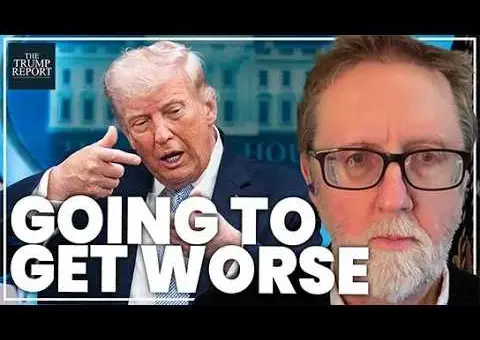
Trump’s Wild Rants Expose a Presidency Adrift
Donald Trump's recent 'batshit crazy' outbursts, attacking former allies and reacting erratically to the Iran crisis, signal a leader adrift. Professor Scott Lucas argues this isn't diplomacy but desperate shouting, as geopolitical tensions escalate and traditional allies seek new paths.
China Courts US Oil Amid Iran Deal, Rare Earth Race Heats Up
China is now importing US oil amid a complex geopolitical landscape, including brokering an Iran ceasefire and facing challenges in its rare earths dominance. Meanwhile, regional disputes over strategic islands and airspace add to global tensions.
Iran Threatens Strait of Hormuz Amid Lebanon Strikes
Iran threatens to close the vital Strait of Hormuz in response to ongoing strikes in Lebanon. The US is trying to de-escalate, but actions on the ground remain a concern, potentially impacting global oil markets and future negotiations.