Trump’s NATO Meltdown: Public Rant, Private Plea
Donald Trump is publicly attacking NATO allies while allegedly privately begging them for help with the Strait of Hormuz. This contradictory approach raises concerns about his foreign policy and the future of international alliances.

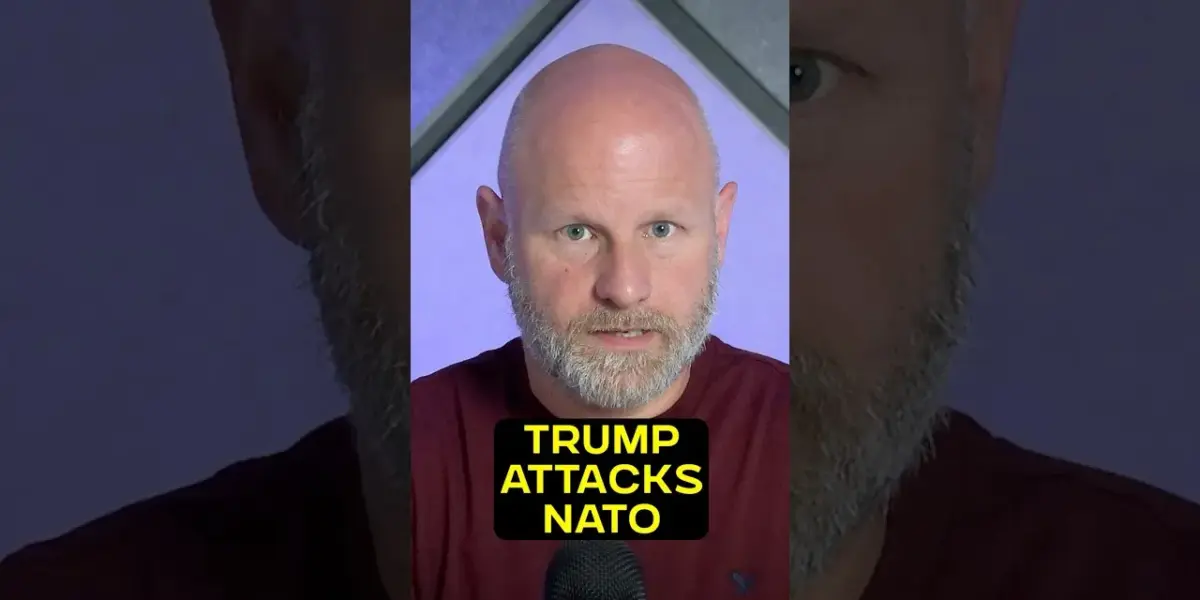
Trump’s NATO Outburst: Public Fury, Private Panic
Donald Trump has been making waves this week, not with policy proposals, but with a barrage of angry posts on Truth Social. His targets? NATO and the United States’ European allies. Trump claims these countries aren’t helping fix a mess he believes he didn’t create, especially concerning Iran. He recently stated, “NATO wasn’t there when we needed them and they won’t be there if we need them again.” He even brought up “Greenland? That big poorly run piece of ice?” a seemingly random reference that left many scratching their heads.
This bizarre mention of Greenland, a territory of Denmark, feels out of place in an attack on NATO. It raises questions about his thought process. Is it a symptom of something deeper? This is just one of many public criticisms Trump has launched at the military alliance.
A Different Story Behind Closed Doors
However, reports from insiders within the Trump administration paint a very different picture. While Trump publicly criticizes these nations, he is reportedly privately pleading with them for help. He is allegedly making phone calls, begging these countries to step in and assist with reopening the Strait of Hormuz.
This is especially confusing because Trump had previously insisted the Strait was already open and that a ceasefire deal would reopen it. Now, it seems ships might face a $2 million fee to pass through. Currently, only Iranian ships appear to be able to navigate the waterway freely. Trump’s alleged message to other nations seems to be: “The rest of the world, please. I don’t know what the hell I’m doing. You guys are suffering too. So, it’s kind of your problem, right?”
Historical Context: NATO’s Role and Alliances
The North Atlantic Treaty Organization (NATO) was formed in 1949 as a defense alliance. Its main goal was to protect member nations from the Soviet Union during the Cold War. The core principle is collective defense: an attack on one member is considered an attack on all. Over the years, NATO has expanded and evolved, adapting to new global threats.
Alliances like NATO are built on mutual trust and shared security interests. They require cooperation and commitment from all members. Trump’s public attacks and alleged private pleas highlight a tension between the ideals of alliance and his personal approach to foreign policy. He often emphasizes a transactional view of international relations, where benefits must be immediate and clear for the United States.
Why This Matters
This situation is significant because it reveals a potential disconnect between Donald Trump’s public persona and his private actions. His public statements could alienate allies, weakening the very relationships he reportedly seeks to leverage for help. If allies believe Trump doesn’t value their partnership, they may be less inclined to assist him, regardless of private appeals.
Furthermore, it raises questions about the stability of international relations under his leadership. Alliances are complex and require consistent diplomacy. Publicly attacking partners while privately asking for favors can erode trust and make future cooperation difficult. This approach could have real-world consequences, impacting global security and economic stability.
Implications, Trends, and Future Outlook
The trend here is a potential shift in how alliances are perceived and managed. Trump’s approach suggests a move away from traditional diplomatic norms towards a more transactional and individually beneficial model. This could encourage other nations to question their own alliance commitments.
Looking ahead, if Trump were to hold office again, his relationship with NATO and other allies would likely remain a point of contention. The effectiveness of such alliances could be tested. The future outlook depends on whether nations prioritize long-standing collective security agreements or more unilateral, self-interested approaches. The current situation suggests a period of uncertainty for established international partnerships.
Trump’s framing of the current situation as others’ problem to clean up is a stark example of his ‘America First’ philosophy. It suggests he believes that even problems he helped create are ultimately the responsibility of others to solve, especially if it benefits his administration. This viewpoint can strain diplomatic ties and complicate international problem-solving efforts.
Source: Trump is in it WAY TOO DEEP (YouTube)

Related Articles
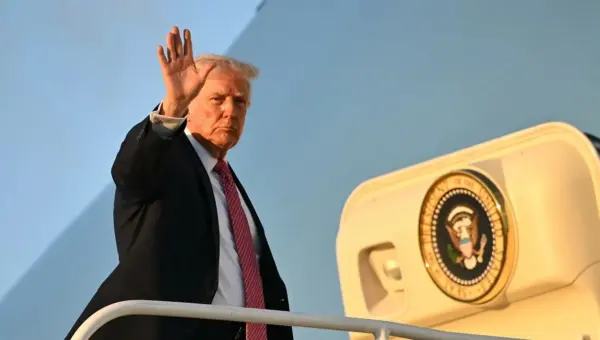
Trump’s Return: A Political Chess Move?
Former President Donald Trump's recent departure from Miami to Washington D.C. after his arraignment is more than just travel. It signals a potential strategic move to rally supporters and control the political narrative amidst ongoing legal challenges.

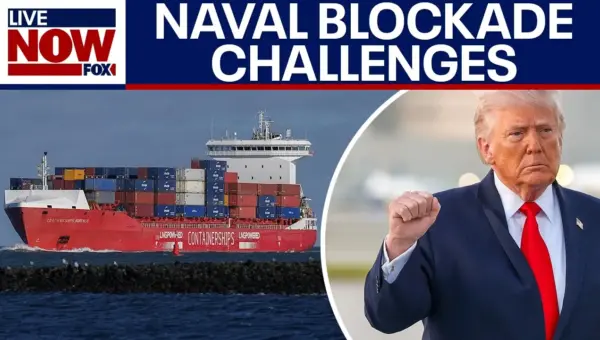
Trump Orders Iran Strait of Hormuz Blockade
President Trump has ordered an immediate U.S. Navy blockade of the Strait of Hormuz following failed negotiations with Iran. The move aims to halt all maritime traffic, but experts warn of significant risks, including potential confrontations with other nations and economic repercussions. The situation remains volatile as both sides may have used a recent ceasefire to resupply and prepare for further conflict.
Orban’s Defeat Deals Blow to Trump’s Global Standing
Viktor Orban's significant election loss in Hungary is seen as a major blow to Donald Trump and JD Vance's global influence. The outcome challenges the momentum of the far-right and offers hope for democratic movements worldwide, with potential lessons for the U.S. Democrats.