Trump’s NATO Frustration Fuels Exit Threats, Alliance Faces Crisis
President Trump's frustration with NATO allies over Iran policy has intensified, leading to renewed threats of withdrawal. While legal avenues exist to potentially block a full exit, the U.S. could significantly weaken the alliance by simply withdrawing support and troops, raising concerns among European nations.

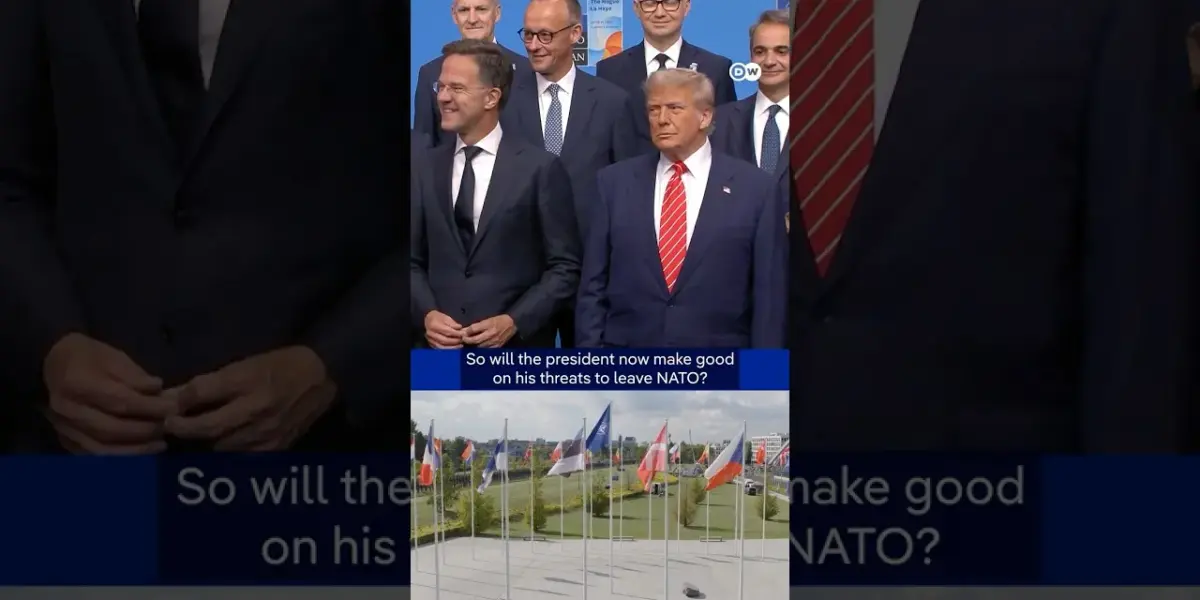
Trump Lashes Out at NATO Amid Iran Tensions
President Donald Trump has escalated his criticism of the North Atlantic Treaty Organization (NATO), calling the alliance “very disappointed” and stating it has done “absolutely nothing.” This strong rebuke comes as Trump expresses anger over European allies’ perceived lack of support for his administration’s actions concerning Iran. He argues this perceived inaction proves his long-held belief that European nations are not reliable partners.
Trump’s frustration finds an audience among his supporters, who see his complaints about NATO as validated by recent events. The current crisis, amplified by the Iran situation, provides Trump with a stronger platform to voice his long-standing doubts about the alliance’s effectiveness and fairness to the United States.
Can Trump Actually Leave NATO?
The question of whether Trump will follow through on his threats to withdraw from NATO is now a central concern. The treaty that established NATO in 1949, known as the Washington Treaty, includes a provision for withdrawal. Article 13 states that a member nation can leave the alliance one year after formally notifying the others.
However, there might be a legal hurdle. As a senator, Secretary of State Mike Pompeo, who was previously a strong critic of NATO, introduced a bill that would require a president to obtain a two-thirds majority vote in the Senate or an act of Congress to exit the alliance. While Pompeo now holds a different position, his past legislative efforts highlight potential domestic roadblocks to a unilateral withdrawal.
Legal Challenges and Executive Power
Analysts suggest that despite such laws, a president would likely find a way to proceed with an exit if determined. The core issue may not be the legal process of leaving but rather the impact of the United States withdrawing its support. This could be a more immediate and damaging blow to NATO’s stability than a formal departure.
Evidence of this potential withdrawal of support is already emerging. Defense Secretary Mark Esper and Secretary of State Mike Pompeo have notably skipped recent NATO meetings. These absences are widely seen as deliberate signals, or “snubs,” intended to underscore American dissatisfaction with the alliance.
The Real Threat: Withdrawing US Support
Beyond symbolic gestures, a more tangible threat looms: the potential withdrawal of U.S. troops stationed in NATO member countries. These troops provide significant reassurance and a crucial military presence for many European nations. Their removal could destabilize the region and weaken collective security.
According to experts, Congress and the Pentagon would have limited power to prevent a president from ordering the withdrawal of U.S. troops from NATO. The administration has already indicated it will not replace some U.S. officials in NATO-related positions, further signaling a diminishing American commitment.
Critical Capabilities at Risk
Europe would struggle to replace vital American assets crucial for NATO operations. These include advanced intelligence, surveillance, and reconnaissance capabilities, as well as ballistic missile defense systems and the large-scale nuclear deterrence provided by the U.S. Replicating these capabilities would be a significant challenge for European nations in the short term.
The implications of such a withdrawal are profound. NATO’s ability to function effectively relies heavily on American contributions. While the alliance might not necessarily collapse, its operational capacity would be severely hampered without U.S. involvement.
A Functioning NATO Without the US?
Despite the potential damage, some experts believe a functional NATO could still exist without the United States. However, this would require substantial financial investment from European nations. They would also need significant time to rebuild and adapt, a process that would be difficult if U.S. withdrawal happened suddenly.
The good news, according to some analysts, is that European allies are potentially prepared to invest the necessary money. The bad news is the immense time factor involved. Rebuilding the alliance’s capabilities while simultaneously facing security challenges would be like trying to fix a bicycle while riding it – a difficult and precarious task.
Allies Anxious About Trump’s Intentions
For NATO’s European allies, President Trump’s intentions remain unclear and deeply unsettling. The uncertainty surrounding U.S. commitment to the alliance creates anxiety and raises questions about the future of transatlantic security. Allies are left grappling with the possibility of a significantly altered security landscape.
The coming months will be critical in determining the future of NATO. Whether Trump’s criticisms lead to concrete policy changes or a fundamental reshaping of the alliance remains to be seen. However, the current friction has undoubtedly exposed vulnerabilities and sparked a necessary, albeit uncomfortable, debate about NATO’s role and its members’ responsibilities in a changing world.
Source: Will Donald Trump dump NATO? | DW News (YouTube)

Related Articles


Alex Jones Accuses Trump of Demonic Possession
Alex Jones has publicly stated that former President Donald Trump is "possessed by demonic influences" and acting like a "supervillain." This marks a significant break from Jones's previous strong support for Trump. The accusations also involve claims about Trump's wife and the Jeffrey Epstein case.
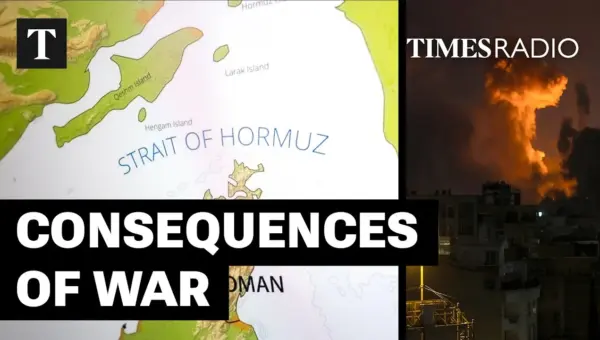
Iran Gains Strait of Hormuz Control Amidst War
Top US officials are traveling to Pakistan for critical talks with Iran, facing preconditions including a ceasefire in Lebanon and the release of blocked assets. Iran's de facto control over the Strait of Hormuz has emerged as a significant leverage point in the escalating regional tensions. The negotiations are expected to be tough, with both sides holding firm positions on key issues.

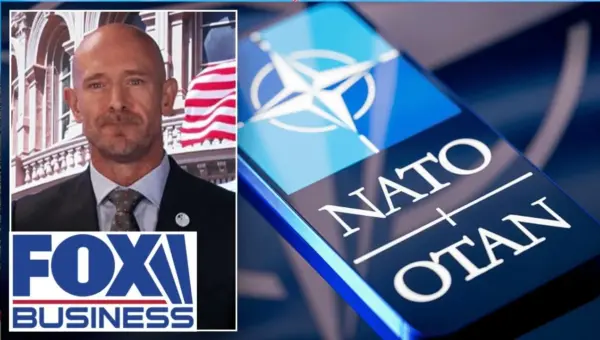
NATO Allies Urged to Step Up Support for US
Retired Navy SEAL Mike Cirelli urges NATO allies to increase their support for U.S. international efforts, citing delays in crucial operations. NATO's chief acknowledges past slow responses, while Cirelli emphasizes the need for allies to take greater responsibility for global security, especially concerning energy supplies.