Trump’s NATO Doubts Spark Bipartisan Pushback
Former President Donald Trump has again labeled NATO a "paper tiger," raising concerns about a potential U.S. withdrawal. Congress has responded with strong bipartisan support for the alliance, emphasizing its historical success and importance for U.S. security. While legal hurdles prevent an immediate exit, a reduction in U.S. support could significantly impact NATO's effectiveness, particularly in the context of the ongoing war in Ukraine.

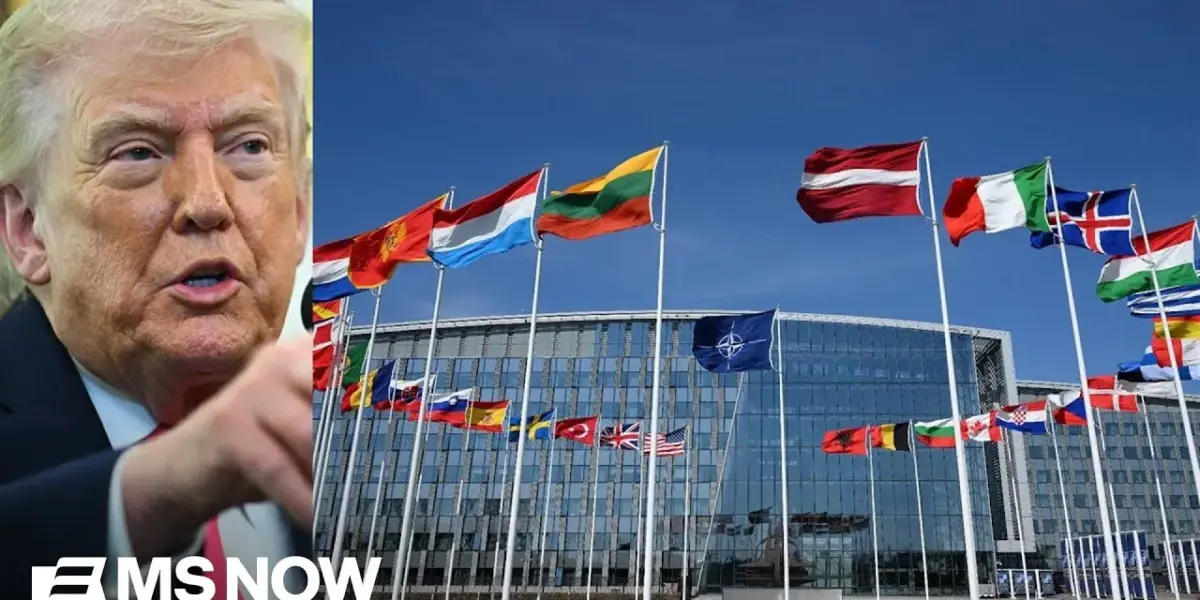
Trump Questions NATO’s Value, Allies and Congress Respond
Former President Donald Trump has once again voiced strong criticism of the North Atlantic Treaty Organization (NATO), calling it a “paper tiger.” While Trump’s skepticism about the alliance is not new, his recent comments have raised concerns about a potential U.S. withdrawal, prompting a swift and unified response from both Democrats and Republicans in Congress. This renewed debate puts a spotlight on the future of a key security alliance and its impact on global stability, particularly concerning the ongoing war in Ukraine.
Congressional Unity on NATO’s Importance
Following Trump’s remarks, a bipartisan group of lawmakers quickly rallied to defend NATO. Former Senate Majority Leader Mitch McConnell, a Republican, joined Democratic Senator Chris Coons to issue a joint statement. They declared NATO the “most successful military alliance in history,” emphasizing its crucial role in U.S. security for over seven decades. Senate Majority Leader Chuck Schumer and Senator Mark Warner also echoed these sentiments in strong rebukes of Trump’s stance. This united front from Capitol Hill highlights a significant divide between the former president’s views and the established congressional position on NATO.
Legal Hurdles to U.S. Withdrawal
As former Ambassador to Ukraine William Taylor explained, Trump cannot formally withdraw the U.S. from NATO on his own. Congress has previously passed legislation to prevent such a move, requiring legislative action for any withdrawal. However, Taylor noted that a president could still significantly weaken the alliance by reducing U.S. support. “He can, of course, reduce the support that the United States provides to NATO,” Taylor stated. “And that would be a problem. That would be a problem because the United States does provide the bulk of the military support for NATO.” Despite these concerns, Taylor pointed out that Trump had apparently positive conversations with other NATO leaders recently, suggesting that threats of withdrawal may not always materialize.
NATO’s Role in Ukraine and Global Security
The discussion around Trump’s NATO comments comes at a critical time, with the war in Ukraine continuing to dominate international attention. While NATO’s primary mission is to defend its member nations against an attack, its role in the conflict in Ukraine is more indirect. Taylor clarified that NATO itself is not directly involved in the war, as Ukraine is not a member. “NATO’s designed to respond to a challenge, a threat, an invasion by some nation against a NATO member nation. That’s not the case here,” he explained. However, individual NATO member countries have played a significant role in supporting Ukraine. European nations, many of them NATO members, have been purchasing weapons from U.S. firms and supplying them to Ukraine. This support from European allies is expected to continue, regardless of U.S. presidential rhetoric.
Broader Implications for Alliances and Policy
Trump’s questioning of NATO’s value forces a broader reassessment of U.S. foreign policy and the reliability of its international commitments. For decades, NATO has served as a cornerstone of collective security, deterring aggression and fostering stability in Europe. The alliance has also been instrumental in coordinating support for Ukraine following Russia’s invasion. The potential for U.S. withdrawal or reduced commitment creates uncertainty for allies and could embolden adversaries. The strong bipartisan pushback from Congress underscores the deep-seated belief in the importance of NATO for both American and global security. This situation highlights how presidential actions and rhetoric can challenge long-standing alliances, prompting allies and domestic policymakers to re-evaluate the predictability of U.S. foreign policy.
Looking Ahead: Continued Debate on U.S. Role
As the political discourse surrounding NATO continues, attention will be on future actions and statements from both the former president and congressional leaders. The upcoming elections will likely bring the role and value of alliances like NATO further into the spotlight. The commitment of the United States to collective security, and the specific future of its involvement in NATO, will remain a key issue to watch as global challenges persist.
Source: 'Paper tiger': Trump criticizes NATO, says he is considering leaving alliance (YouTube)

Related Articles
Trump’s NATO Threats Spark Global Unease, Ex-Envoy Warns
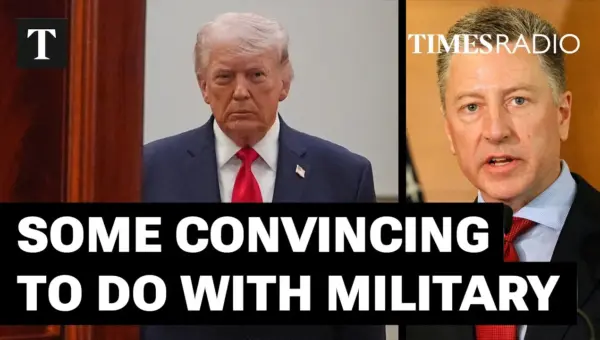
Former Ambassador Kurt Volker warns that President Trump's questioning of NATO and the ongoing conflict with Iran are creating global instability. The war's unclear outcome benefits Russia and potentially China, while straining U.S. relations with European allies. Volker suggests Trump's NATO threats are a tactic to pressure allies, but legal and political hurdles make withdrawal difficult.
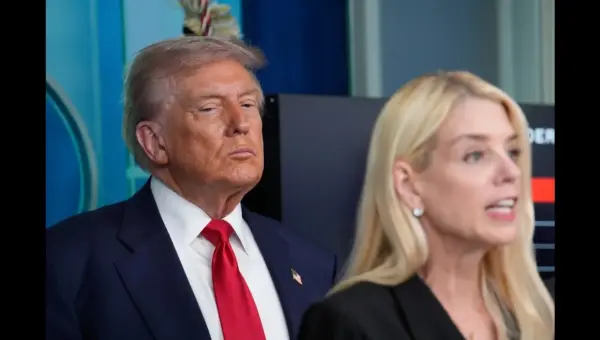
Trump Fires Bondi: A Loyalty Test Ends in Public Humiliation
Pam Bondi's dismissal as Attorney General by Donald Trump was reportedly a "dramatic showdown," not a quiet transition. Accusations of an "unforgivable offense" and alleged interference in the Epstein files controversy fueled the conflict. The incident highlights a pattern of demanding loyalty and then discarding allies when they are no longer useful.
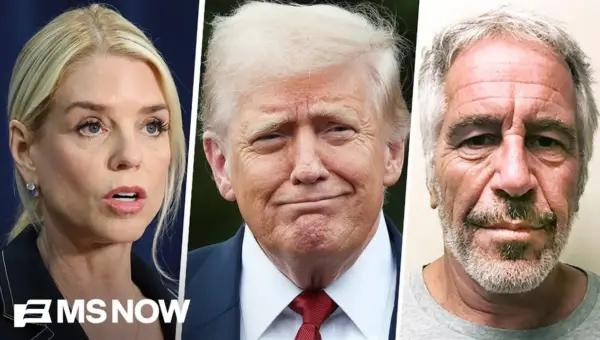
Trump Ousts Bondi Amid Epstein Probe, Congress Demands Answers
Congressman Seth Moulton claims President Trump removed Pam Bondi from her position due to her impending deposition in the Jeffrey Epstein case. The conversation also addressed the escalating conflict with Iran, with Moulton criticizing the administration's strategy and calling for transparency.