Trump’s NATO Claims Crumble Under Scrutiny
Reports challenge Donald Trump's claims about NATO and his interest in Greenland. Historical records of NATO's founding and the actual discussions with Denmark raise serious questions about the stated reasons for his actions. This analysis explores the discrepancies and their implications for international alliances.

Trump’s NATO Claims Crumble Under Scrutiny
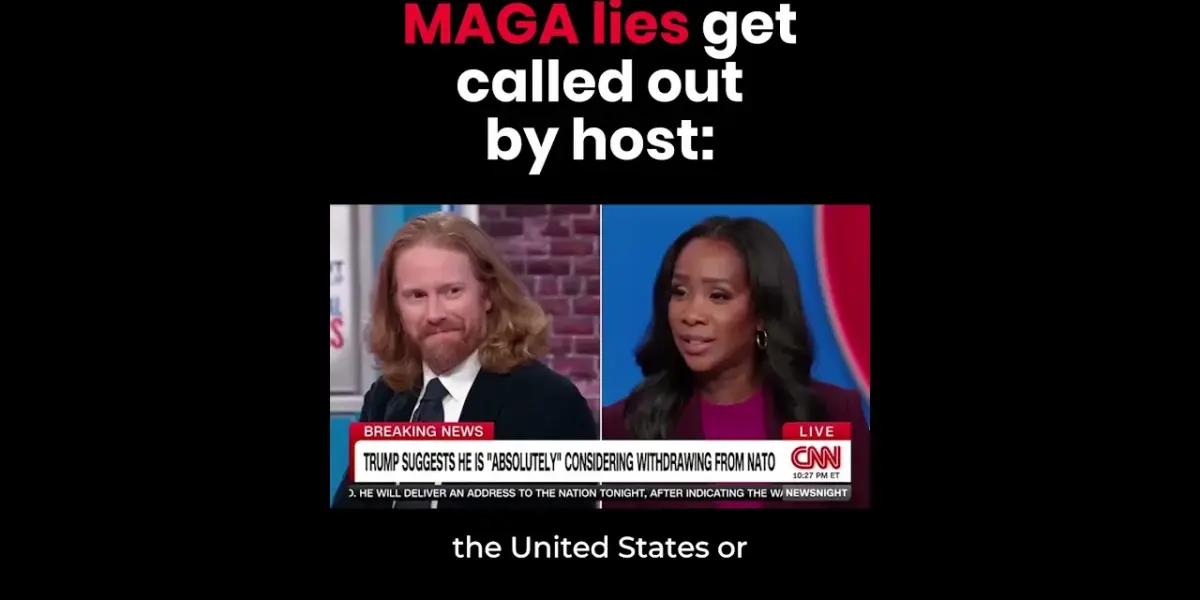
Recent claims about Donald Trump’s intentions regarding NATO and Greenland are facing serious questions. Reports suggest that Trump’s interest in Greenland and his views on NATO might not align with the historical facts of the alliance. This analysis looks at what was said and what the records show.
NATO’s Original Purpose
To understand the current debate, we need to look back at NATO’s beginnings. The North Atlantic Treaty Organization was formed in 1948. During its creation, the United States asked for a specific clause, Article 6. This article clearly limited the area where NATO’s defense would apply. Basically, it said NATO’s defense was only for Europe and the United States. This was a key point from the start.
Trump’s Greenland Interest
Donald Trump has expressed a strong interest in Greenland. In January 2026, he reportedly said it might be a choice between keeping NATO or acquiring Greenland. He did not rule out using military force to get the island. He even threatened a 25% import tax on all European Union goods if they didn’t give the US Greenland. This shows a willingness to use strong tactics to achieve his goals.
The reason given for this focus was a concern that Europe might not be reliable in tough times. The idea was that the US needed to expand its facilities in Greenland, but the Danes were not agreeing to the terms. This created a perceived need to secure the island for US interests.
Article 5: The Core of NATO Defense
NATO’s main defense agreement is Article 5. This article states that an attack on one member is an attack on all. It has only been invoked once in NATO’s history. That happened after the September 11th attacks in the United States. This shows how serious and rare the commitment under Article 5 truly is.
Questioning the Narrative
However, there are serious doubts about the story being told. Reports suggest that Trump never actually brought up expanding US military engagement in Greenland with Denmark. This is despite public statements and actions. The reporting indicates that the issue of expanding facilities was never discussed privately with the Danish government.
This raises questions about the stated reasons for Trump’s interest in Greenland. If he never privately discussed expanding military facilities with the Danes, then the explanation that he was worried about European reliability or their unwillingness to expand facilities may not be accurate. This suggests a potential disconnect between the public narrative and private actions or discussions.
Why This Matters
This situation matters because it touches on trust and the foundations of international alliances like NATO. NATO is a defensive alliance built on mutual trust and shared security. If a leader questions the commitment of allies or uses threats to achieve unrelated goals, it can weaken the alliance.
The reporting suggests that the narrative around Trump’s Greenland interest might be inaccurate. If true, it means the stated concerns about European reliability were not the real reason. This could imply that the interest was more about personal ambition or a different agenda than strengthening collective security. Understanding these details is crucial for evaluating foreign policy decisions and their impact on global stability.
Trends and Future Outlook
The debate highlights a broader trend of questioning existing international agreements and alliances. Leaders are increasingly looking at national interests first, sometimes challenging long-standing partnerships. This can lead to uncertainty about the future of alliances like NATO.
The future of NATO depends on its members’ continued commitment and trust. If leaders within member nations undermine this trust through questionable claims or actions, it could weaken the alliance’s effectiveness. The focus on national gain over collective security could reshape how alliances function in the coming years.
Historical Context
NATO was formed after World War II to prevent another major conflict in Europe. It was a response to the growing threat from the Soviet Union. The alliance was designed to ensure that an attack on one would be met by all. This collective defense was seen as the best way to maintain peace and security.
The inclusion of Article 6, limiting the defense to Europe and North America, was a practical measure. It defined the scope of the alliance’s responsibilities. This historical detail is important when considering current discussions about NATO’s role and the actions of its members.
Source: MAGA Lies Get Called Out (YouTube)

Related Articles

25th Amendment Calls: Can JD Vance Act Against Trump?
Searches for the 25th Amendment are spiking as public figures and citizens demand action regarding Donald Trump's behavior. The process hinges on Vice President JD Vance, who must secure support from Congress or the Cabinet to initiate removal. This analysis explores the challenges and potential future actions, including congressional hearings if Democrats regain control.

Fox News Hosts Falter as Trump’s Iran Stance Backfires
Fox News personalities appeared flustered and divided as Donald Trump's aggressive stance on Iran faced rejection and criticism. The segment highlighted conflicting narratives, blame-shifting, and defenses of Trump's image amidst international tensions.
Trump’s Iran Threats Met With Laughter, Expert Says
Former Royal Navy officer John Foreman believes Iran is 'laughing' at President Trump's escalating threats over the Strait of Hormuz. Foreman suggests Trump's "outlandish rhetoric" stems from miscalculations and a lack of preparedness for the conflict, while military officials convene to plan for the vital waterway's eventual reopening.