Trump’s Muddled Response Fuels Global Chaos
President Trump's handling of recent Middle East conflicts has drawn criticism for its inconsistency and perceived subservience to Israeli foreign policy. The situation has escalated with strikes and retaliations, leading to concerns of 'mission creep' and significant economic and geopolitical instability.


Trump’s Muddled Response Fuels Global Chaos
Recent events in the Middle East have highlighted a chaotic foreign policy situation, with President Trump’s actions and statements drawing significant criticism. An alarming post from the president himself suggests that an already out-of-control situation is worsening, with Israel appearing to heavily influence U.S. foreign policy.
Israel’s Actions and Iran’s Retaliation
Donald Trump admitted that Israel struck Iran’s South Pars gas field, an act that has reportedly caused further chaos within Iran. In response, Iran retaliated by striking Qatar, mistakenly believing Qatar was involved in the initial attack. Trump then attempted to de-escalate the situation, but critics argue he lacks the necessary leadership to manage such a crisis.
The transcript suggests that Israel is clearly dictating the events unfolding in this conflict.
Netanyahu’s Long-Standing Ambitions
For weeks, there have been discussions about Prime Minister Netanyahu’s long-held desire for conflict with Iran. He has been open about this goal, reportedly waiting for a U.S. president he believed would support such an endeavor. The transcript claims Trump was that president, initially expecting a swift resolution similar to the situation in Venezuela.
Escalation and “Mission Creep”
However, the situation appears to have escalated beyond initial expectations. Netanyahu’s alleged goal was to dismantle the Iranian regime, not just target a single individual. This has reportedly drawn Trump into a prolonged conflict, a scenario confirmed by his recent statements. The situation surrounding the Strait of Hormuz further illustrates this point.
Conflicting Stances on the Strait of Hormuz
Initially, Trump suggested the U.S. did not need the Strait of Hormuz, a vital shipping lane. He then announced plans to form a coalition of countries to protect it. This plan faltered as international partners were unwilling to join what was perceived as a dangerous mission. Trump’s position on the Strait has been inconsistent, shifting from needing help to not needing it at all. This inconsistency raises questions about the actual mission and its objectives.
“Mission Creep” and Financial Costs
The situation is described as a clear example of “mission creep,” where an initial objective expands in scope and scale, leading to increased costs and extended timelines. This has been a recurring issue in the Middle East, costing trillions of dollars and contributing significantly to national debt. The interest payments alone on this debt are substantial, impacting future generations.
Economic and Political Ramifications
The current instability is causing oil markets to spike while the stock market is falling. This economic volatility adds another layer of concern to the geopolitical tensions. Allies have expressed frustration over the perceived lack of European support in securing the Strait of Hormuz, which benefits Europe significantly.
Allied Concerns and U.S. Response
While some allies are concerned about Iran potentially acquiring nuclear weapons, their reluctance to engage in military action to prevent this is met with anger by figures like Senator Lindsey Graham. He views the European approach as a failure and believes the burden of stopping Iran falls on the U.S.
Potential Troop Deployment and Strategic Concerns
Adding to the growing concerns, the Trump administration is reportedly considering deploying thousands of additional troops to the Middle East. One proposed option involves securing the Strait of Hormuz by deploying troops to Iranian shores. This strategy is questioned due to Iran’s difficult terrain, which includes rocky areas, marshes, and mines, making it a potentially perilous deployment.
A Pattern of Escalation
The sequence of events is viewed as deeply embarrassing and indicative of a foreign policy in disarray. The administration is accused of denying problems while “mission creep” is actively occurring. The full impact of these developments remains to be seen, particularly as markets react to the escalating global tensions.
Source: Trump LOSES CONTROL as Global CHAOS ERUPTS (YouTube)

Related Articles
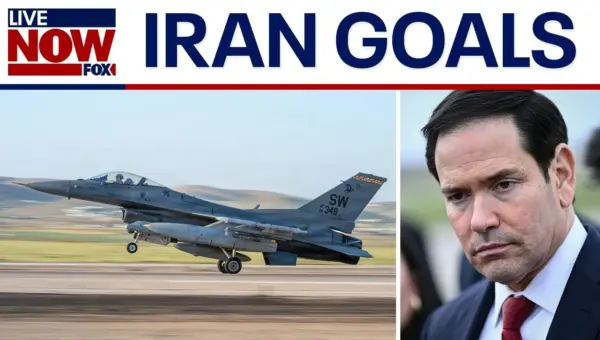
Rubio: US Can Achieve Iran War Goals Without Troops
Senator Marco Rubio outlined a strategy to counter Iran without deploying U.S. ground troops, focusing on weakening the regime and enhancing maritime security. He also criticized Cuba's economic system and expressed concerns about West Bank violence.
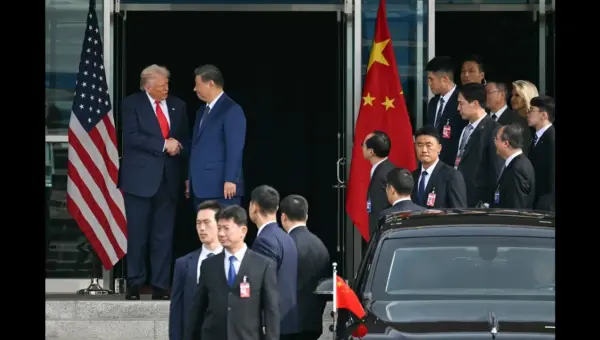
Trump’s “Walk Away” Tactic Signals Tougher Stance on China
Retired Air Force Brigadier General David Stillwell believes President Trump's strategy of being willing to walk away from negotiations puts pressure on China. This tactic, combined with US global actions and strengthened alliances, signals a more assertive American foreign policy.


Israelis Forge Resilience Amidst Constant Bomb Shelter Drills
Life in Israel is a blend of resilience and constant vigilance, with many families adapting to frequent bomb shelter drills and even sleeping in makeshift shelters. Despite ongoing missile attacks, Israelis strive to maintain normalcy, though businesses face disruption and emotional fatigue is a growing concern.