Trump’s Mideast Strikes Spark Outrage, Betrayal Claims
Recent military actions involving Donald Trump have drawn sharp criticism, with accusations of betrayal and unforced errors. Critics argue these moves contradict past promises and pose significant risks, particularly concerning potential U.S. casualties and the escalation of regional conflict.

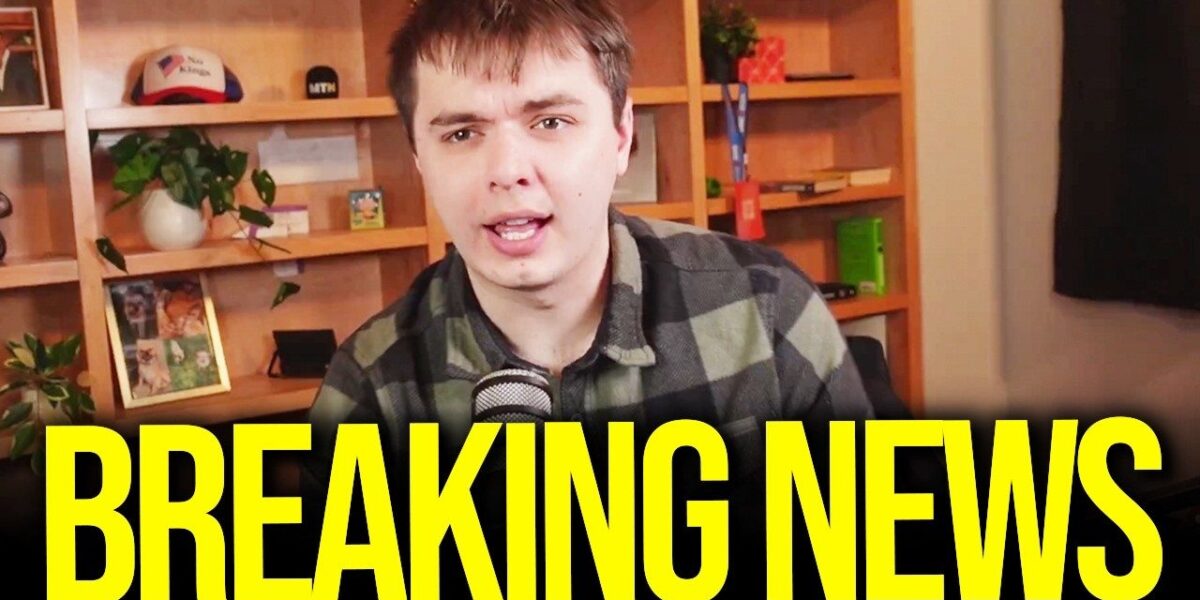
Trump’s Mideast Actions Ignite Controversy
In a dramatic turn of events, recent military actions involving Donald Trump have ignited widespread criticism, with accusations of betrayal and unforced errors dominating the discourse. The situation escalated following strikes against Iran, prompting retaliatory actions and a looming threat of further joint operations between the United States and Israel. Critics argue these moves represent a significant departure from Trump’s past campaign promises and a dangerous gamble with American lives.
Broken Promises and Escalating Conflict
During his previous term, Donald Trump campaigned on a platform that included promises of non-interventionism and ending existing wars. He explicitly stated his commitment to avoiding new conflicts and even suggested withdrawing from some long-standing engagements. However, recent events suggest a stark reversal of this stance. The speaker in the transcript highlights a perceived betrayal, noting that Trump promised about six months prior that Iran’s nuclear capabilities had been indefinitely neutralized. This claim is now being scrutinized as potentially false, especially given the current escalation.
“This is the biggest betrayal in any modern campaign um for the past few decades. I mean, Donald Trump ran on a few key promises. No new wars. We all saw him say that. He even said he would end some wars on his first day. He said he would lower prices. He said inflation would be gone. He said a lot of things and we know those are all not true.”
The current situation has rapidly devolved into a regional conflict, with Iran reportedly striking U.S. air and naval bases in the Middle East. The planned joint strikes by Israel and the United States are seen by many as an overreach, particularly the idea of intervening for regime change on behalf of other nations. The speaker expresses deep concern over the potential for American casualties, stating, “Donald Trump then said in the middle of the night that some troops may have to die. He said broadly, he said some people may die. That’s what happens in war.” This is particularly troubling for younger generations, with concerns about a potential draft being raised, especially in light of past statements by figures like Steven Miller.
Unforced Errors and Generational Concerns
The narrative emerging from the transcript is that the current military engagement is an “unforced war, an unforced error.” The speaker, a 23-year-old, expresses alarm at the prospect of their generation being directly impacted by potential conscription. This sentiment is echoed by others who recall protesting the Iraq War in their youth, seeing a disturbing parallel in the current geopolitical climate.
The transcript points out a significant disconnect between Trump’s promises and his actions, particularly concerning the economy and foreign policy. For young men who turned to Trump in the last election, hoping for economic stability and an end to foreign entanglements, the current situation is seen as a profound disappointment. The job market, already facing challenges from AI and robotics, is now further complicated by the specter of war.
Scrutiny of Trump’s Foreign Policy Decisions
A key point of contention is the handling of the Joint Comprehensive Plan of Action (JCPOA), the nuclear deal with Iran. The transcript argues that Trump’s decision to withdraw from the JCPOA without a backup plan created a cycle of conflict. This action is compared to similar moves, such as attempting to dismantle the Affordable Care Act without a replacement.
“When Donald Trump took office during his first term, we had something called the JCPOA which was a joint comprehensive plan of action. It was a nuclear deal where we could monitor Iran’s nuclear capabilities. We can make sure we limit it. And Donald Trump tore up the JCPOA with no backup plan.”
The decision to strike Iran is questioned, with speculation that it may have been influenced by Israeli Prime Minister Benjamin Netanyahu. The lack of clear justification for the action, beyond what appears to be a desire for escalation, is a major concern. The concept of “America First” is also re-examined, with critics arguing that current actions, such as potential interventions in Venezuela for oil or engaging in conflict with Iran, do not align with this principle. Instead, these actions are seen as destabilizing, detrimental to the economy, and potentially enriching for those involved.
Economic Woes and Potential Self-Interest
The transcript raises serious questions about the economic consequences of these foreign policy decisions. While inflation and unemployment remain pressing issues, the focus appears to have shifted to military engagement. There is also a strong undercurrent of suspicion regarding Donald Trump’s personal financial interests, with speculation that these actions might be linked to his business dealings in the Middle East.
The narrative of “America First” is further challenged by contrasting it with actions that seem to benefit other nations or corporate interests. The idea that these interventions create chaos without providing lasting solutions is a recurring theme. The comparison to the situation in Venezuela, where regime change efforts allegedly resulted in placing an equally brutal leader in power, highlights a pattern of creating instability without achieving positive outcomes.
Disinformation and the Need for Congressional Action
The volatile nature of the situation is compounded by concerns over disinformation. Both sides in the conflict are expected to disseminate propaganda, making it difficult for the public to discern the truth. The transcript urges caution in consuming news related to the conflict and emphasizes the importance of verified information.
There is a strong call for Congress to assert its authority and rein in executive power, particularly concerning the initiation of military action. The lack of clear congressional authorization for strikes against Iran is seen as a violation of the Constitution. The transcript criticizes the perceived inaction and “mealymouth statements” from some Democratic leaders, urging them to take a more assertive stance.
“We have to make sure that we have congressional authorization here. We have to be smart about when we use them. We have to make sure it’s in the best interest of the American people. Otherwise, we’re wasting our money. We’re putting our our kids on the line.”
Figures like Ro Khanna and Thomas Massie are mentioned as examples of lawmakers attempting to use their leverage, though their efforts were reportedly preempted by the strikes. The preference for tangible action over mere statements is a clear demand from critics.
Re-evaluating “America First” and Foreign Aid
The concept of “America First” is re-examined, with arguments that certain forms of foreign engagement, such as aiding Ukraine or providing humanitarian assistance to Palestine, could genuinely serve American interests. These actions, proponents argue, can lead to a return on investment by preventing larger conflicts, promoting stability, and fostering international cooperation. The significant reduction in U.S. foreign aid is seen as a counterproductive move that isolates the U.S. and creates a vacuum of leadership.
The escalating national debt is also a major concern, with the argument that military expenditures, especially in unprovoked conflicts, exacerbate this problem without clear benefits to the American populace. The transcript suggests that instead of investing in initiatives that yield long-term returns, the focus is on costly military actions that primarily benefit a select few, such as “billionaire buddies” who receive tax cuts.
Call for Accountability and Future Vigilance
The transcript concludes with a stark warning about the erosion of accountability mechanisms within the U.S. government. The weakening of institutions like the Supreme Court and the administrative state is seen as enabling unchecked executive power. The speakers emphasize the critical role of voters in holding elected officials accountable, particularly through the electoral process.
Ultimately, the message is one of urgency: Congress must reassert its constitutional authority, and citizens must remain vigilant, demanding transparency and accountability from their leaders. The potential consequences of unchecked executive power are dire, with the possibility of prolonged conflict and instability. The call to action is clear: citizens must pressure their representatives to act decisively to prevent further escalation and ensure that foreign policy decisions are truly in the best interest of the American people.
Source: Breaking News ROCKS Trump's TERM (YouTube)

Related Articles
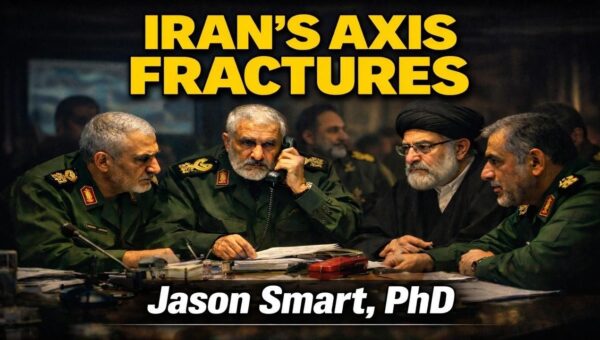
Iran’s Regime Under Siege: Attacks Cripple Leadership, Impact Russia
Iran's regime is reportedly facing critical blows from targeted attacks, crippling its leadership and severing a vital military supply line to Russia. This dual pressure is significantly impacting Russia's war efforts in Ukraine, while internal dissent grows within Iran.
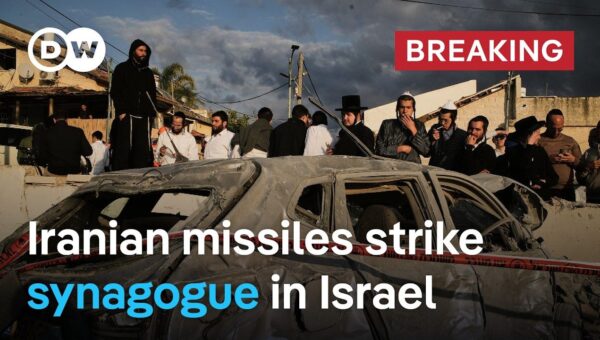
Iran Missile Strike Kills 9 in Israel, Netanyahu Vows Escalation
Nine people were killed and 28 wounded in a devastating Iranian missile strike on a synagogue in Beit Shemesh, Israel. Prime Minister Benjamin Netanyahu has vowed to intensify strikes on Tehran, as analysts discuss the escalating conflict and Iran's capacity for sustained resistance.

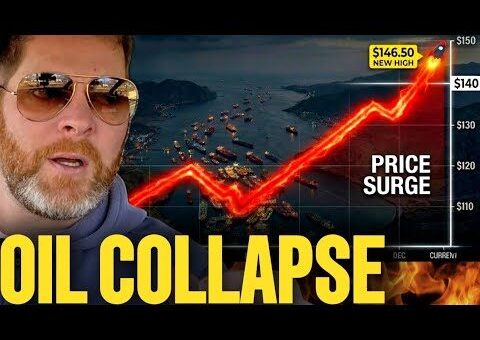
Oil Prices Skyrocket Amid Strait of Hormuz Closure
The Strait of Hormuz is now effectively closed due to conflict, disrupting a third of the world's oil supply and sending prices soaring. Experts warn of a new cost of living crisis as fuel and product costs rise globally.