Trump’s Mideast Gamble: War, Evacuation Chaos, and Market Meltdown
Reports indicate escalating conflict in the Middle East, with the U.S. struggling to evacuate its citizens and facing severe market repercussions. The rationale behind recent military actions and their unintended consequences are under scrutiny, highlighting a complex and volatile geopolitical situation.

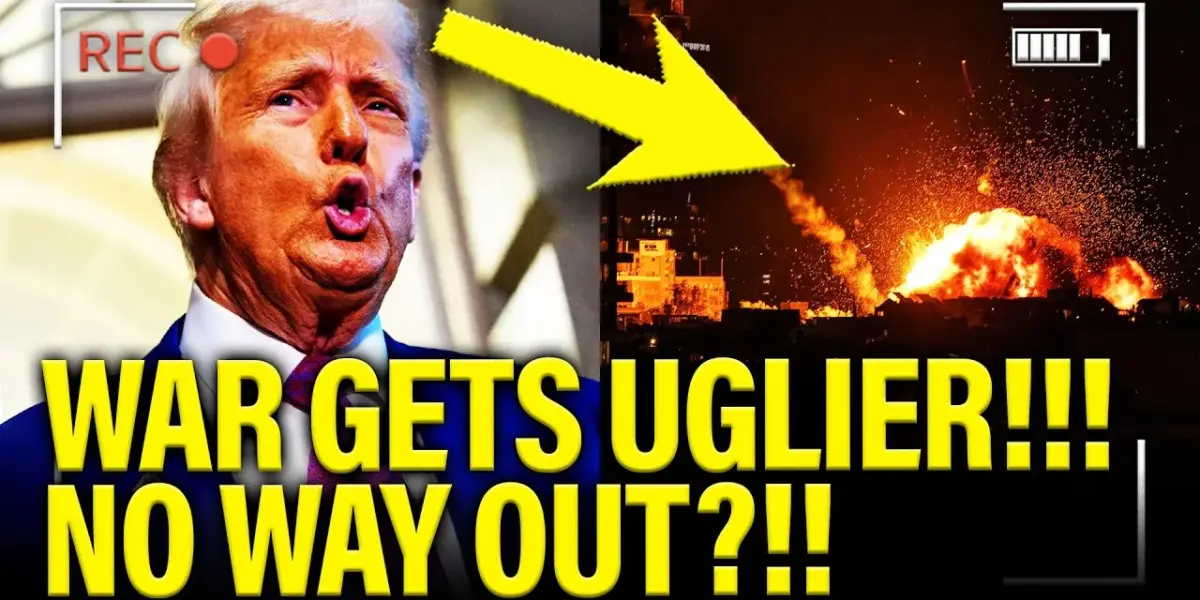
Trump’s Mideast Gamble: War, Evacuation Chaos, and Market Meltdown
The escalating conflict in the Middle East has plunged the region into a state of intense turmoil, with significant repercussions for international markets and the safety of American citizens abroad. Amidst reports of escalating Iranian actions and retaliatory strikes, the United States appears to be in a precarious position, struggling to manage the fallout of its recent military engagements.
Embassy Unpreparedness and Citizen Abandonment
A stark illustration of the unfolding crisis is the U.S. Embassy in Jerusalem’s announcement that it is “not in a position at this time to evacuate or directly assist Americans in departing Israel.” This statement, issued despite billions spent on diplomatic infrastructure and aid to Israel, has raised serious questions about the preparedness of the United States to protect its citizens in times of escalating conflict. The message to Americans in the region, as conveyed by various U.S. embassies, has been to “Evacuate now. Get out of the Middle East. Try to find a commercial flight. Good luck.” This lack of a concrete evacuation plan, coupled with Iran’s reported strikes on surrounding airports, paints a grim picture of the United States’ ability to safeguard its people in a widening regional war.
The Rationale Behind the Strikes: A Shifting Narrative
The stated justification for recent U.S. military actions against Iran has been met with skepticism. Officials, including those within the Trump administration, have suggested that the strikes were a preemptive measure, taken because Israel was allegedly planning to strike Iran first, prompting an Iranian retaliation against the U.S. The narrative has shifted, with some suggesting the goal is not traditional regime change but rather to find a more amenable leadership within the Islamic Republic. However, this approach appears to have backfired, potentially solidifying the position of the current leadership and fueling anti-American sentiment.
Historical Context: Betrayal and Radicalization
The transcript highlights a history of perceived betrayal by the U.S. towards Iranian populations seeking democratic reform. In January, during protests, the Trump administration reportedly offered support to demonstrators, only to subsequently do nothing, leading to a brutal crackdown where thousands were allegedly “massacred.” This history, coupled with the recent strikes and the killing of a prominent Ayatollah, has reportedly galvanized support for the existing regime and increased radicalization against the United States, particularly among the Shiite community.
Economic Repercussions: Oil Surges and Market Downturn
The conflict’s impact on global markets has been immediate and severe. The price of oil has surged, with the national average gasoline price experiencing its largest single-day increase since March 2022. This surge is attributed to Iran’s actions potentially limiting or closing the Strait of Hormuz, a critical chokepoint for oil and natural gas shipments. The disruption is not only impacting global energy supplies but also inadvertently benefiting Russia, as its oil becomes more sought after. Financial markets have reacted negatively, with major indexes experiencing significant drops in early trading.
Regional Escalation and International Involvement
The conflict is not confined to Iran and the U.S. Several nations are being drawn into the escalating situation. Israel has evacuated its embassy staff from the UAE, and reports indicate Israeli strikes on Iran, including the destruction of a building housing Iran’s Assembly of Experts, where leaders were gathering to choose a new Supreme Leader. France has deployed fighter jets to protect its bases in the UAE but has not sent its aircraft carrier. Iraq has suspended oil shipments due to storage capacity issues caused by the Strait of Hormuz closure. Security alerts are being issued across the region, warning of imminent drone and missile attacks.
A Contradictory Defense Strategy
The Trump administration’s foreign policy approach appears to be marked by internal contradictions. While the stated national defense strategy emphasizes avoiding “interventionism, endless wars, regime change, and nation building,” recent actions seem to contradict these principles. During a Senate hearing, an Under Secretary of Defense struggled to reconcile the administration’s rhetoric with its actions in Iran, particularly when questioned by Senator Elizabeth Warren. The official’s responses suggested that military actions, even if framed as enabling the Iranian people to take matters into their own hands, blur the lines with interventionism and regime change.
Humanitarian Costs and Unacknowledged Tragedies
The human cost of the escalating conflict is profound and, according to the transcript, largely unacknowledged by the administration. A strike on a girls’ school in Iran reportedly killed 140 people, including 110 students, 26 female teachers, and four parents. This is described as the deadliest single incident in the current U.S.-Israeli bombing campaign. Furthermore, the deaths of six U.S. service members in Kuwait are being linked to ignored warnings about the defensibility of their tactical operation center, suggesting preventable loss of life due to negligence within the command structure.
The Future Outlook: Uncertainty and Strategic Missteps
The current situation in the Middle East is characterized by a high degree of uncertainty and a potential for further escalation. The lack of a clear plan for citizen evacuation, the economic instability triggered by oil price surges, and the contradictory foreign policy pronouncements all point to a complex and potentially dangerous geopolitical landscape. The administration’s approach, which has been described as “gutting” the State Department and alienating allies, further complicates efforts to de-escalate the conflict and ensure regional stability. The long-term implications of these actions, particularly in terms of regional radicalization and international relations, remain a significant concern.
Why This Matters
The events unfolding in the Middle East have far-reaching consequences that extend beyond the immediate region. The inability of the U.S. to guarantee the safety of its citizens abroad, coupled with the economic shockwaves from oil market volatility, directly impacts Americans at home. The potential for a wider regional conflict threatens global stability and could lead to prolonged military engagements with significant human and financial costs. Furthermore, the perceived inconsistencies in U.S. foreign policy, particularly regarding interventionism and support for democratic movements, could erode international trust and embolden adversaries. The handling of this crisis raises critical questions about diplomatic preparedness, strategic decision-making, and the long-term implications of geopolitical actions on both a regional and global scale.
Source: Trump PANICS as WAR INTENSIFIES…NO WAY OUT?!! (YouTube)

Related Articles

Iran Cyber Threats: US Faces Limited Retaliation Risk
While Iran has issued threats of cyber retaliation against the U.S., analysts suggest their capabilities are limited, focusing instead on minor incidents. However, recent drone strikes on Amazon data centers in the Middle East highlight the broader risks to digital infrastructure.

Iran Crisis Spikes Oil Prices, Threatens Global Energy Supply
Millions of barrels of crude oil are being held back daily from global markets, pushing prices up and threatening an energy crisis. The prolonged disruption highlights the world's continued dependence on fossil fuels and the geopolitical risks involved.
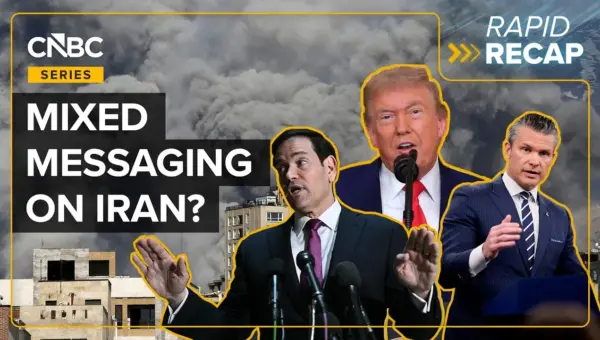
Iran Tensions Flare: US Vows “Annihilation” Amid Nuclear Fears
The Trump administration has adopted an aggressive tone towards Iran, vowing military action and highlighting concerns over the nation's nuclear ambitions. Officials cited "imminent threats" and Iran's development of missiles and drones as justifications for a preemptive stance.