Trump’s Mideast Gamble Backfires, Undermining Allies
A recent ceasefire attempt led by Donald Trump has backfired, escalating tensions and undermining allies. Senator JD Vance's claims about Israeli de-escalation were quickly contradicted by heavy strikes in Lebanon, leading to international criticism and Iran restricting the Strait of Hormuz.

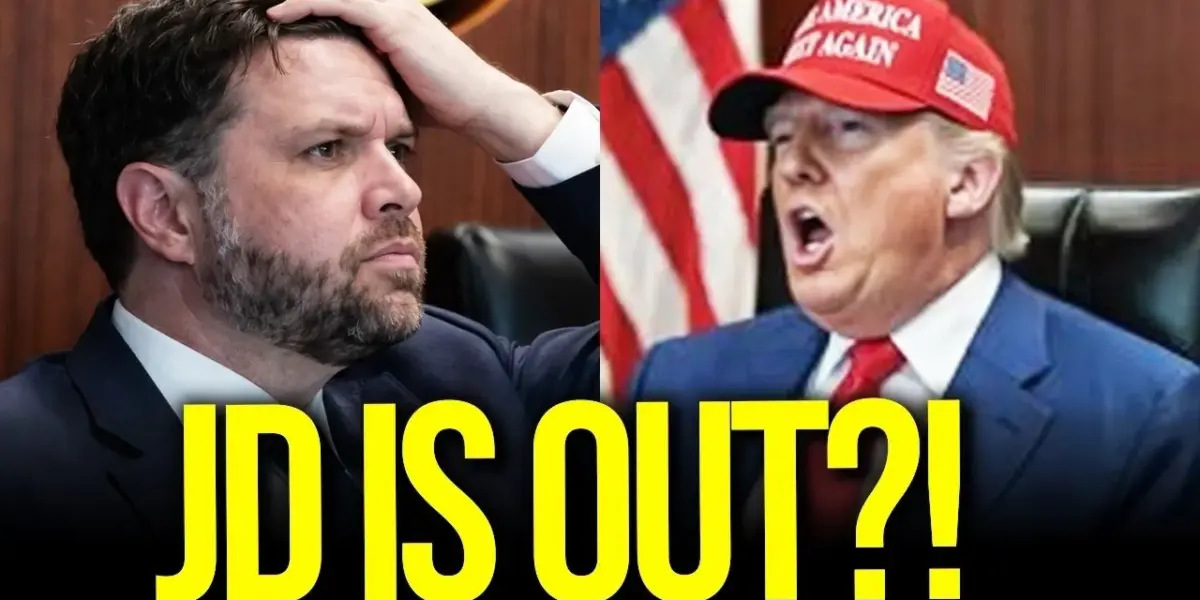
Trump’s Mideast Gamble Backfires, Undermining Allies
A recent attempt to broker a ceasefire in the Middle East, spearheaded by former President Donald Trump, appears to have gone spectacularly wrong. Instead of bringing peace, the deal has seemingly escalated tensions and undermined key allies, leaving the United States in a more precarious position. This situation has put figures like Senator JD Vance in a difficult spot, as their public statements about the deal have been quickly contradicted by events on the ground.
Vance’s Claims Quickly Proven False
Senator JD Vance recently stated that Israel had offered to “check themselves a little bit” in Lebanon to help deescalate the conflict. This statement suggested a willingness from Israel to hold back its strikes to support ongoing negotiations. However, almost immediately after Vance made these remarks, Israel launched significant strikes in Lebanon. French President Emmanuel Macron even criticized these actions, expressing France’s solidarity with Lebanon in the face of what he called “indiscriminate strikes.” This public disagreement from a major ally highlights how the situation on the ground quickly outpaced the diplomatic narrative.
The Reality on the Ground in Lebanon
Reports from Lebanon paint a grim picture that contrasts sharply with the optimistic outlook Vance presented. Following Vance’s comments, Israeli attacks reportedly continued, leading to evacuation orders in Beirut and ground operations in southern Lebanon. These strikes, described as hitting “hundreds of sites in 10 minutes,” resulted in a significant number of civilian casualties, with numbers rising to what some are calling “war crime levels.” The sheer scale of these attacks, occurring in broad daylight, has had a devastating impact on the civilian population, with thousands killed and wounded.
Iran’s Response and the Strait of Hormuz
The escalating violence in Lebanon appears to have pushed Iran to reassert its influence. Following the breakdown of the ceasefire, Iran reportedly restricted traffic through the Strait of Hormuz, a critical global oil shipping route. While over 100 vessels previously passed through daily, Iran’s actions reduced this number significantly. This move gives Iran a powerful, ongoing weapon, effectively allowing it to control a vital part of global trade. The situation suggests that the ceasefire, as interpreted by Iran, did not adequately address its core concerns, particularly regarding its ability to control the Strait of Hormuz.
A Return to a Dangerous Past?
The analyst suggests that Iran’s demand for perpetual control over the Strait of Hormuz represents a return to a more dangerous world order. This idea proposes that any nation with a coastline could potentially control shipping lanes with missile threats. This concept harks back to a pre-NATO era, roughly 150 years ago, when international relations were more volatile and less stable. The concern is that the Trump administration’s approach might legitimize such a system, creating a less predictable and more dangerous global environment.
An “Infantile” Foreign Policy?
The commentary criticizes the overall foreign policy approach, describing it as “childish” and “infantile.” The analogy used by JD Vance to explain Iran’s nuclear program – comparing it to his wife’s right to skydive but choosing not to – is singled out as particularly weak and inappropriate for serious diplomatic discussion. The argument is that this approach focuses on rhetoric and personal analogies rather than concrete policy and effective negotiation. This style, the critic argues, is akin to a president throwing a tantrum on the world stage.
Historical Context and Geopolitical Stakes
The conflict touches upon deep historical grievances and geopolitical rivalries. The analyst notes that even those critical of the Iranian regime acknowledge that Israel has been violating the ceasefire. This suggests that the current situation is complex, with multiple actors pursuing their interests, often with devastating consequences for civilians. The decision to escalate strikes in Lebanon, despite potential ceasefire talks, has led to widespread condemnation and has put the United States in a difficult position, appearing to be unable to control its allies’ actions.
Why This Matters
This situation is critical because it demonstrates how diplomatic efforts can quickly unravel, leading to increased instability and human suffering. The perceived “off-ramp” offered by Trump’s administration may have been based on a misunderstanding or miscalculation of Iran’s demands and Israel’s actions. The control of key shipping routes like the Strait of Hormuz has massive economic implications globally. Furthermore, the reliance on inflammatory rhetoric and weak analogies in foreign policy discussions can erode trust and make genuine de-escalation much harder to achieve.
Implications, Trends, and Future Outlook
The events suggest a trend towards more assertive actions by regional powers, potentially exploiting perceived weaknesses in major power diplomacy. The future outlook is uncertain, with a high risk of further escalation. If the current approach continues, we could see a return to a more fragmented and dangerous international system. The effectiveness of future ceasefire attempts will depend on a clearer understanding of all parties’ objectives and a more grounded, consistent diplomatic strategy.
Source: JD Vance PANICS as Trump RUINS HIM (YouTube)

Related Articles

Trump’s Iran Deal Threatens US Credibility
Critics argue that Donald Trump's approach to a potential Iran ceasefire deal will result in a strategic humiliation for the United States. Concerns include Iran gaining more control over vital waterways and maintaining its nuclear program, while exposing U.S. military vulnerabilities and eroding regional credibility.


Iran’s Truce Claims Crumble Amidst Regional Tensions
Reports of a ceasefire between Israel and Iran, allegedly brokered with U.S. involvement, are collapsing. No public document or official agreement exists, leaving the U.S. as the sole willing partner with much to lose. Meanwhile, Iran escalates rhetoric and continues regional actions, while domestic U.S. controversies distract from foreign policy.


Kerry Warns Trump on Iran: “Dangerous Moment”
Former Secretary of State John Kerry described the current conflict with Iran as a "very dangerous moment," criticizing the Trump administration's withdrawal from the nuclear deal and its haphazard approach to foreign policy. He warned that these actions have significantly increased Iran's leverage and made future diplomacy much more difficult.