Trump’s Middle East Gambit Distracts from Epstein Files
Donald Trump's focus on a new Middle East conflict appears to be strategically diverting attention from the unfolding Epstein Files. This analysis explores the potential political motivations behind this shift and its implications for public discourse and accountability.


Trump’s Middle East Focus: A Strategic Diversion?
In a political landscape often characterized by carefully orchestrated narratives, former President Donald Trump’s recent focus on initiating a new war in the Middle East has drawn significant attention. However, a critical analysis suggests this may serve a dual purpose: escalating international conflict while simultaneously diverting public discourse away from the deeply unsettling Epstein Files. The swift pivot in global conversation, from the revelations within these files to the immediate crisis in the Middle East, raises questions about strategic timing and political expediency.
The Epstein Files: A Lingering Shadow
The Epstein Files, a collection of documents pertaining to the late Jeffrey Epstein’s sex trafficking and abuse network, have the potential to implicate a wide array of powerful individuals. The mere prospect of these revelations coming to light has sent ripples of anxiety through various elite circles. Historically, such scandals involving high-profile figures often threaten to unravel carefully constructed public images and expose uncomfortable truths about power and privilege. The ongoing process of unsealing these documents represents a significant moment for accountability, yet the intense focus on a new geopolitical conflict appears to be overshadowing this crucial development.
Geopolitical Maneuvers and Media Cycles
The timing of Trump’s pronouncements and actions regarding the Middle East, coinciding with the escalating public interest in the Epstein Files, is striking. The creation of a new war, or at least the significant escalation of existing tensions, undeniably commands immediate global media attention. This phenomenon is not new in political strategy; complex international crises often serve as effective tools to redirect public focus from domestic controversies or damaging revelations. The sheer scale and inherent drama of a military conflict naturally push other, albeit significant, stories down the news cycle.
“Trump said… what???” This rhetorical question, posed in the original video, encapsulates the bewildered reaction many might have to the rapid shift in public attention. It highlights the perception that major events, whether geopolitical or scandal-related, are not always organic but can be strategically influenced.
Voter ID Laws: A Curious Aside
Adding another layer to the analysis is the brief, almost surreal, exchange regarding voter ID laws. The transcript includes a nonsensical explanation of how a voter ID can be obtained, suggesting a deliberate attempt to introduce absurdity or perhaps to highlight a perceived lack of seriousness or understanding surrounding such issues. The example given – a child under six being able to vouch for an adult’s identity – is not only factually incorrect but also comically so. This segment, while seemingly disconnected, could be interpreted as a form of political theater, designed to confuse, distract, or perhaps even to subtly mock the very idea of stringent identification requirements, thereby further muddying the waters of public discourse.
Historical Parallels and Political Tactics
The use of external crises to deflect from internal issues is a tactic with a long history in politics. Leaders have, at various times, employed foreign policy challenges or manufactured controversies to unite a populace, distract from economic woes, or shield themselves from damaging scrutiny. The current situation, with the Epstein Files poised to expose uncomfortable truths and a new Middle Eastern conflict erupting, bears a resemblance to these historical patterns. The question remains whether the current geopolitical events are a genuine crisis or a manufactured one, designed to serve a specific political agenda.
Why This Matters
The implications of this dynamic are far-reaching. Firstly, it speaks to the power of narrative control in the digital age. When major events can be so rapidly overshadowed, it raises concerns about the public’s ability to remain informed about critical issues like the Epstein Files, which concern potential widespread abuse of power and exploitation. Secondly, the potential for using international conflict as a political tool is deeply troubling. It suggests that human lives and global stability can be gambled for domestic political gain. The voter ID exchange, bizarre as it is, might also be a subtle indicator of broader strategies to undermine serious policy discussions with misinformation or trivialization.
Trends and Future Outlook
This incident highlights a concerning trend: the increasing use of sensational and often polarizing events to dominate the media cycle. As the public grapples with an overwhelming flow of information, the ability to discern genuine crises from politically motivated distractions becomes ever more challenging. The future may see a continued blurring of lines between foreign policy actions and domestic political strategy, with significant consequences for both international relations and democratic accountability. The Epstein Files, if their full contents are ever truly brought to light without significant diversion, could represent a watershed moment for transparency. However, the current political climate suggests that such moments are increasingly vulnerable to being sidelined by manufactured or amplified crises.
Conclusion
While the exact motivations behind Donald Trump’s recent actions and statements remain a subject of debate, the correlation between the escalating Middle East conflict and the receding public interest in the Epstein Files is undeniable. Coupled with the peculiar discourse surrounding voter ID, it paints a picture of a political environment where strategic distraction and narrative manipulation are potent forces. The challenge for the public and the media moving forward is to remain vigilant, to resist being solely guided by the loudest or most immediate crises, and to ensure that vital issues of justice and accountability are not lost in the storm.
Source: Trump said… what??? (YouTube)

Related Articles
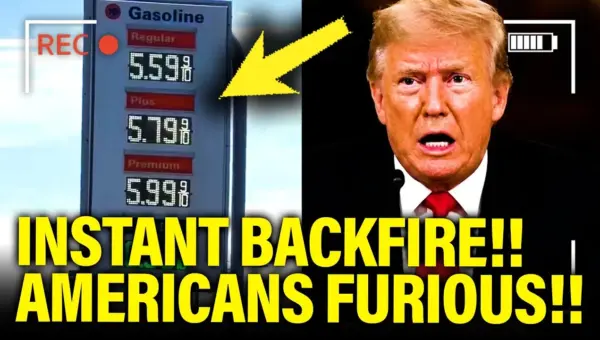
Trump’s War Gambit: Economic Chaos for Political Gain?
An analysis suggests Donald Trump may have intentionally escalated tensions with Iran to distract from domestic failures, leading to a surge in oil prices and economic hardship for Americans. The strategy's effectiveness and long-term consequences are questioned.
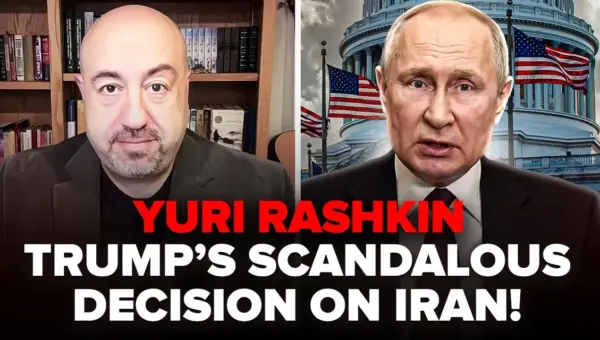
Trump’s Iran Stance Sparks Global Alarm Amid Russia Ties
President Trump's demand for Iran's 'unconditional surrender' has ignited global concern, particularly as reports suggest Russia is providing intelligence to Tehran. The escalating tensions highlight diverging international perspectives and raise questions about U.S. strategic goals and long-term planning.
Elias: Trump’s Arizona Records Seizure Signals Escalating Election Threats
Lawyer Marc Elias warns that Donald Trump's alleged efforts to seize 2020 election records in Arizona are a dangerous escalation. He believes this is part of a pattern to create excuses for federal intervention in future elections.