Trump’s Memphis Plan Bolsters Federal Law Enforcement Power
President Trump's Memphis Safe Task Force signifies an increased federal role in domestic crime fighting. The initiative, led by the U.S. Marshals Service, aims to improve public safety while facing the challenge of gaining community trust. This approach builds on historical federal involvement in local issues.

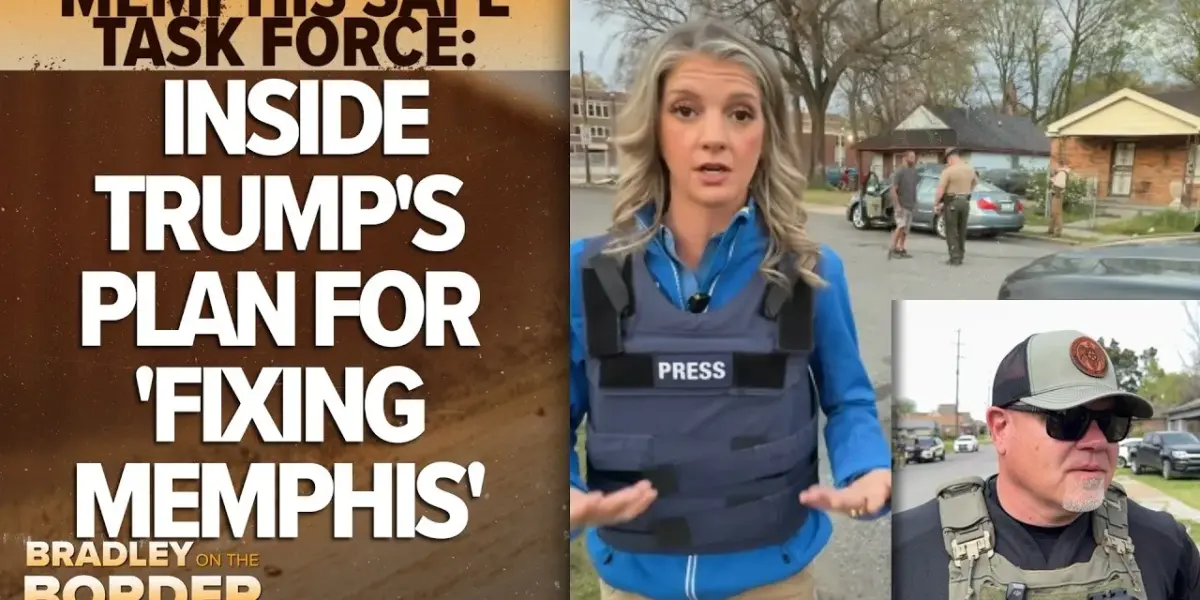
Trump’s Memphis Plan Bolsters Federal Law Enforcement Power
President Donald Trump’s initiative to address crime in Memphis, known as the Memphis Safe Task Force, highlights a significant expansion of federal law enforcement’s role in domestic policing. This task force, a joint effort between local and federal agencies, aims to tackle rising crime rates. The strategy involves deploying federal resources and personnel to assist cities struggling with public safety issues. Trump claims the task force has transformed Memphis from a dangerous city into a much safer place. This approach signals a shift towards greater federal involvement in local crime fighting, a move with broad implications.
Federal Marshals Lead the Charge
The U.S. Marshals Service plays a central role in the Memphis Safe Task Force. Stephanie Creasy, deputy director of the U.S. Marshals Service, spoke about the task force’s work. She explained that the biggest hurdle is not just law enforcement actions, but also communication. Winning the trust and support of the Memphis community is crucial for long-term success. This means building relationships and showing residents that the task force is there to help them. It’s about more than just arrests; it’s about community buy-in.
Motivations Behind the Initiative
For President Trump, the Memphis initiative is part of a larger platform focused on ‘law and order.’ He uses such successes to bolster his image as a strong leader capable of restoring safety. The deployment of federal agents to cities like Memphis can be seen as a way to demonstrate federal authority and effectiveness. This can also be politically popular with voters who prioritize crime reduction.
The U.S. Marshals Service, as a federal agency, is tasked with enforcing federal laws and protecting the federal judicial system. Expanding their role into local crime hotspots allows them to leverage their resources and expertise. It also serves to showcase the capabilities of federal law enforcement. For the Marshals, improving public safety in a major city aligns with their mission to uphold justice and security across the nation.
Community Engagement is Key
Deputy Director Creasy emphasized the importance of community trust. Without the support of Memphis residents, the task force’s efforts might fall short. Building bridges with local communities involves transparency and consistent engagement. It requires officers to be visible and approachable. This part of the mission is as important as any arrest or operation. It’s about creating a partnership for safety.
Historical Context
Federal involvement in local law enforcement is not new in the United States. Historically, federal agencies have stepped in during times of crisis or when local resources were overwhelmed. For example, federal troops were sometimes used to enforce laws or quell unrest in the past. More recently, federal task forces have been used to combat specific issues like drug trafficking or terrorism. The Memphis Safe Task Force builds on this precedent, but its scale and focus on general crime signal a broader federal ambition in domestic policing.
Potential Challenges and Future Scenarios
While the task force aims to reduce crime, its success depends on several factors. Maintaining cooperation between federal and local authorities is vital. Equally important is sustained community trust. If residents feel the task force is overreaching or not addressing their concerns, it could lead to friction. Future scenarios could see this model expanded to other cities facing similar crime challenges. Alternatively, if community relations sour or federal resources are redirected, the initiative’s impact could diminish.
Global Impact
While this specific task force operates domestically, the underlying principle of federal intervention in local matters has international parallels. Some countries centralize law enforcement power more than others. This trend can reflect a government’s approach to national security and social order. The Memphis model, by strengthening federal reach, could influence how other nations consider national strategies for crime control and public safety. It shows a willingness to deploy national resources to solve local problems.
Why This Reshapes the World Order
The Memphis Safe Task Force represents a subtle but significant shift in how federal power is applied within the United States. It shows a willingness by the federal government to directly intervene in local public safety matters. This is not just about crime; it’s about the balance of power between Washington and individual cities or states. Such initiatives could set precedents for future federal actions in domestic affairs. The focus on visible federal law enforcement could also influence international perceptions of American governance and its approach to social issues. It demonstrates a centralized strategy for tackling complex problems.
Source: Memphis Safe Task Force: Inside Trump's plan for 'fixing Memphis' | Bradley on the Border (YouTube)

Related Articles

Trump’s Name Everywhere: A ‘Stain’ on GOP Legacy?
Former President Donald Trump's efforts to brand national symbols, including a proposed signature on dollar bills, spark debate. Critics view this as an authoritarian attempt to embed his legacy, potentially staining the Republican Party's history and contrasting with democratic ideals of public ownership.

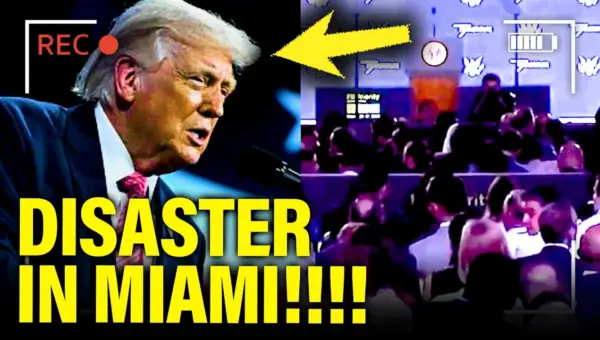
Trump’s War Talk Stuns Financial Crowd
Donald Trump's recent speech in Miami focused on his foreign policy, particularly his critical views on NATO and his vision for international relations. He declared the U.S. would no longer defend NATO allies, questioned the value of existing alliances, and suggested renaming the Strait of Hormuz. The speech also touched on his personal views of success, his allies, and his perceived role as a global peacemaker.
Trump’s Warpath: New Threats Signal Imperial Ambitions
Recent statements from Donald Trump reveal a potential embrace of increased military action and interventionist foreign policy. This approach, characterized by critics as "imperialism 2.0," contrasts with his past promises of peace and has even drawn criticism from parts of his own base. The implications for U.S. global engagement and domestic priorities are significant.