Trump’s Media War: Ex-CBS Star Joins Fight
Veteran journalist Scott McFarland leaves CBS for Midas Touch, citing legacy media's decline and a public hunger for direct, fact-based news. He aims to counter misinformation and political pressure by focusing on underreported stories.

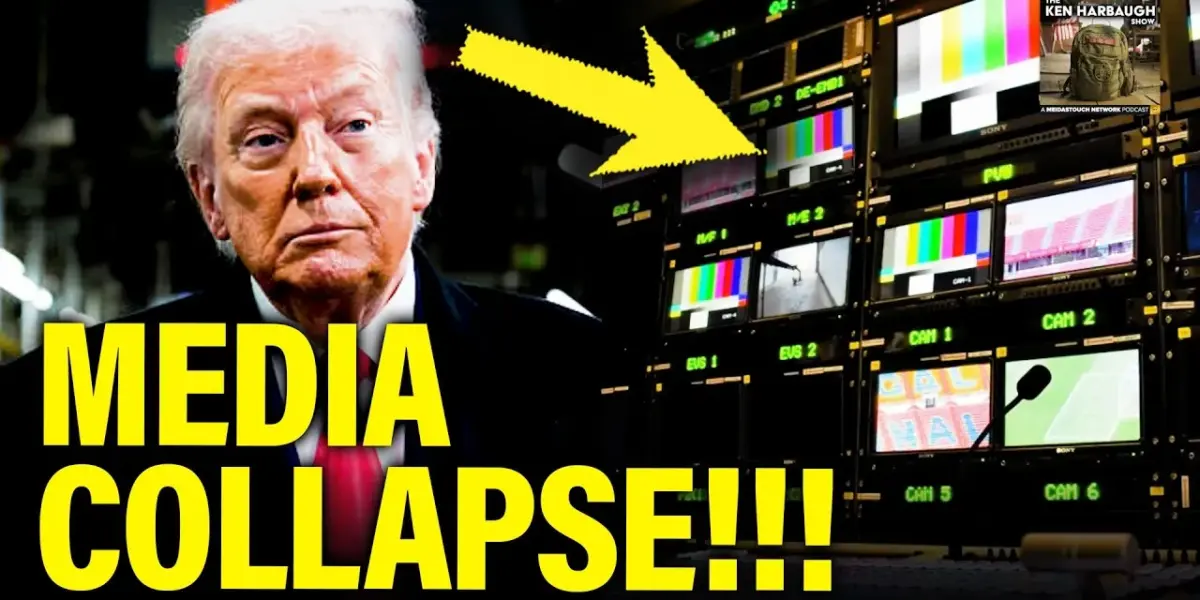
Trump’s Media War: Ex-CBS Star Joins Fight
Trying to understand the news these days can feel like a roller coaster. One minute, news reports say one thing, and the next, they say the complete opposite. This confusion is especially true when it comes to big world events. Ken Harbaugh of the Midas Touch Network points out how the messaging around a potential conflict with Iran has swung wildly. It’s gone from talk of ending a war to threats of extreme military action.
Harbaugh notes that even the person in charge seems unsure of the plan. He highlights a series of conflicting statements from the White House about the situation. One day, the message is about winning, and the next, it’s a plea for help. This kind of unpredictable communication makes it very hard for journalists to report accurately.
It’s a tough job for reporters trying to cover these constantly changing stories. Many journalists, especially those working for older, well-known news companies, face immense pressure. Harbaugh suggests that some of these big media companies have already given in to the political pressure from the current administration.
A New Voice Emerges
Amidst this challenging media environment, the Midas Touch Network has brought in a new team member. Scott McFarland is an award-winning investigative journalist who spent 25 years in traditional media, including five years at CBS. He’s known for his strong reporting, especially on the January 6th prosecutions.
McFarland’s move to Midas Touch signals a significant shift in the media world. He explains that while he once dreamed of working in network television, the media landscape has changed dramatically. Audiences are shrinking, and trust in older news sources is fading. The idea of waiting until a specific time in the evening to get the news feels outdated to him.
He believes that independent media outlets, like Midas Touch, offer a better way to deliver information. These platforms can reach people quickly and widely through many different channels. McFarland sees this as a positive change, presenting many new opportunities for journalists.
The Decline of Legacy Media
McFarland is candid about the struggles facing established news organizations. He questions how these companies can survive and stay relevant when they keep cutting staff, budgets, and spending. While he acknowledges that lower advertising revenue plays a role, he argues that cutting resources is not a good strategy for keeping or growing an audience.
In contrast, he sees independent media investing in their operations. This investment is key to growth. McFarland believes that the public is building a stronger trust with independent news sources. This trust is often built through a more personal connection, where journalists are seen as more relatable and even vulnerable.
Reporting the Facts, Not the Spectacle
McFarland plans to focus on factual reporting, avoiding the opinion and commentary that often fills traditional news programs. He understands that people want news delivered in a more direct and understandable way. They don’t want to be read news from a teleprompter with flashy graphics and loud music.
He states that people want journalists to look directly into the camera and explain what happened, why it’s important, and how it affects their lives. This direct, conversational approach is what many viewers crave. Traditional media, with its theatrical style, often feels impersonal and out of touch with what audiences want today.
Even when reporting facts, McFarland emphasizes the importance of not spreading misinformation. He believes that simply fact-checking false statements is not enough. Journalists have a responsibility to avoid platforming lies, conspiracy theories, or distorted history. He argues that repeating misinformation, even to debunk it, can still harm people’s understanding of the truth.
Facing Political Pressure
McFarland’s career change did not go unnoticed. The White House press office even commented on his move, which he sees as a sign that he is doing impactful work. He explains that when political figures personally attack journalists, it often means those journalists are asking tough questions and pursuing important stories.
He views such attention as validation. If the powerful are ignoring you, that’s a bigger concern. McFarland has developed a thick skin over the years, especially after covering the January 6th prosecutions. He faced online attacks and harassment from people involved in those cases.
This experience has prepared him for the kind of scrutiny that comes with reporting on controversial topics. He believes that if you’re not attracting the attention of those in power, you might be missing important stories. His focus is on uncovering news that hasn’t been widely reported yet.
Finding the Real News
McFarland is committed to finding stories that matter, even if they aren’t the ones getting the most attention. He plans to focus on the courts, which have acted as a check on executive power. He also wants to report on civil servants who have spoken out against the administration, as these are always newsworthy events.
He also intends to cover Congress, noting that the minority party, currently the Democrats, has been making significant news. They have successfully pushed issues like the Epstein case and launched their own investigations into the Trump administration. McFarland sees these areas as rich with stories that need to be told.
He insists that covering these topics doesn’t mean he’s taking sides. It simply means he’s dedicated to finding and reporting the news, wherever it may be. This approach aims to provide a clearer, more factual understanding of current events for the public.
Why This Matters
The shift from legacy media to independent platforms is a major trend in how we get our news. As experienced journalists like Scott McFarland move to outlets like Midas Touch, it highlights a growing demand for more direct, honest, and accessible reporting. This change is driven by a public that feels disconnected from traditional news sources and is seeking a more trustworthy alternative.
The challenges faced by legacy media, such as budget cuts and declining trust, are significant. They struggle to adapt to the fast-paced digital age and the changing expectations of news consumers. Meanwhile, independent media, by investing in their platforms and building direct relationships with their audiences, are finding ways to grow and thrive.
This evolution in media means that the public has more choices than ever before. It also places a greater responsibility on individuals to seek out diverse and reliable news sources. The commitment of journalists like McFarland to factual reporting, even in the face of political pressure, is crucial for maintaining an informed society.
The Future Outlook
The future of news consumption likely involves a mix of independent creators and evolving traditional outlets. The success of platforms that prioritize direct engagement and factual reporting suggests a path forward. As more journalists embrace these new models, we can expect a media landscape that is more responsive to public needs.
The willingness of journalists to stand up to political pressure and report the truth, even when it’s difficult, is essential. The trend of journalists like McFarland leaving established institutions for independent platforms indicates a desire for greater editorial freedom and a more direct connection with the audience. This movement could reshape how news is produced and consumed for years to come.
Ultimately, the push for truth and clarity in an often confusing world is what drives this media transformation. The rise of independent voices, backed by experienced journalists, offers a hopeful sign for the future of informed public discourse.
Source: Insider BLOWS LID OFF Media COLLAPSE Under Trump (YouTube)

Related Articles


Trump’s Iran Threat: Media Softens, Risks Normalizing Dangerous Talk
Former President Trump's aggressive post threatening Iran has been met with softened reporting by major news outlets, raising concerns about normalizing dangerous rhetoric. Critics argue for unvarnished reporting to ensure public understanding of potential geopolitical risks.

Journalist’s Abduction in Iraq Highlights Regional Instability
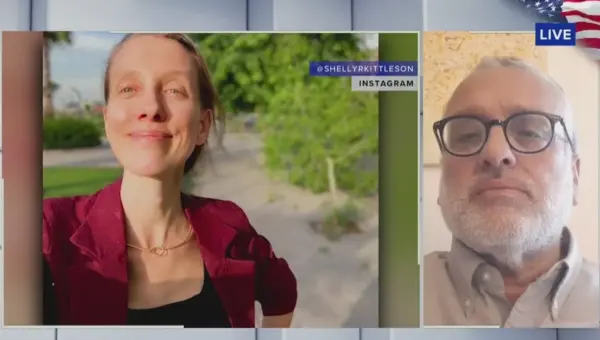
American journalist Shelly Kittleson has been kidnapped in Iraq, highlighting the severe risks faced by reporters in unstable regions. Her colleagues emphasize her dedication to reporting from dangerous areas, while Iraqi authorities are working to secure her release.

FCC Official’s Boast Exposes Media Control Agenda
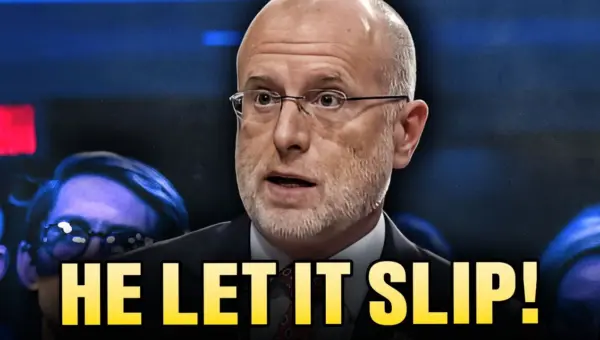
Former FCC Chair Brendan Carr's public boasts at CPAC about media changes like PBS and NPR defunding, and shifts at CBS and CNN, have raised serious concerns. Critics argue these statements expose a deliberate agenda to influence and control news organizations, potentially undermining press freedom.