Trump’s Media Threats Echo Past Battles for Truth
President Trump's recent threats against journalists reporting on a downed jet in Iran draw parallels to historical battles over government transparency. Leaks, like the Pentagon Papers and those exposing the Abu Ghraib scandal and Watergate, have historically been crucial in revealing truths and holding power accountable.

Trump Threatens Journalists, Evokes Pentagon Papers Fight
President Trump recently threatened to jail journalists and media companies for reporting on a downed F-15 jet in Iran, sparking outrage and comparisons to historical clashes between the government and the press. The president stated that his administration would “go to the media company that released it. We’re going to say national security, give it up or go to jail.” This action brings to mind pivotal moments in American history where leaks of government information led to landmark legal battles and exposed truths about wars and government misconduct.
The Pentagon Papers: A Fight for the Public’s Right to Know
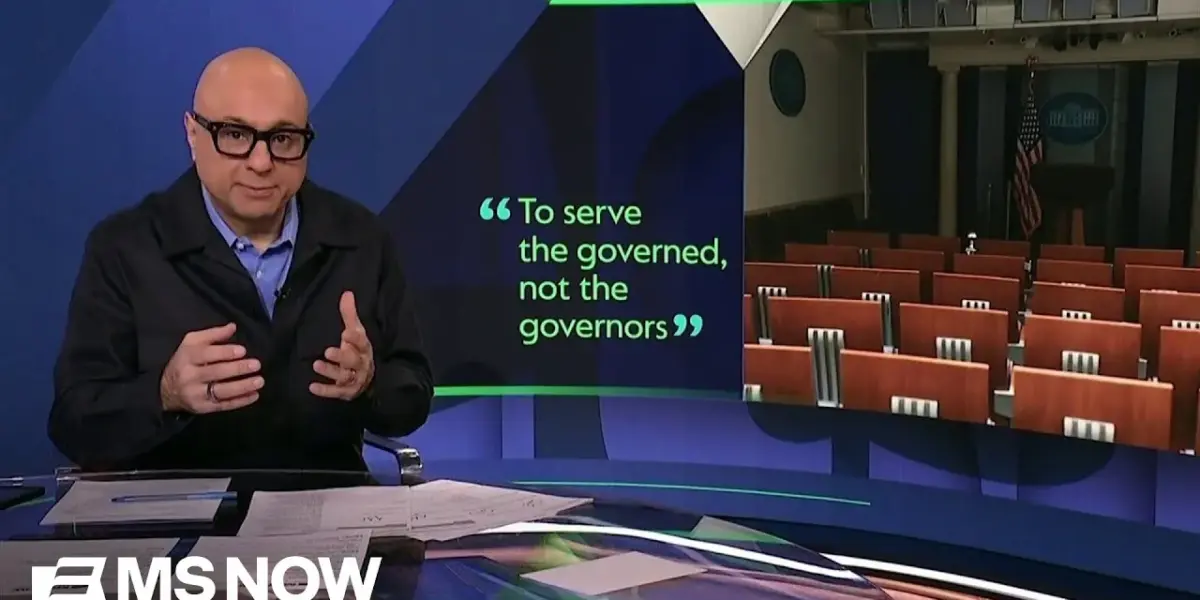
In 1971, The New York Times began publishing excerpts from the Pentagon Papers, a secret study detailing the history of U.S. involvement in the Vietnam War. Daniel Ellsberg, a former Pentagon analyst, leaked the documents because he believed the government had lied to the public about the war’s progress and was unwinnable. The Nixon administration immediately sued to stop the publication. The case went all the way to the Supreme Court, which ruled in favor of the newspapers. Justice Hugo Black famously wrote that the press must “serve the governed, not the governors” and has a duty to expose government deception. The ruling affirmed the press’s vital role in a democracy, allowing the public to learn the truth about the Vietnam War.
Abu Ghraib Scandal: Whistleblower Exposes Abuse
In 2004, the public learned about the horrific abuse of Iraqi prisoners at Abu Ghraib prison through leaked photographs. U.S. Army Specialist Joseph Darby stumbled upon the images and, after much deliberation, reported them. The story eventually reached CBS News, which aired it after confirming the photos. The revelations led to congressional hearings and a Pentagon review that called the abuses “sadistic, blatant and wanton criminal abuses.” However, then-Secretary of Defense Donald Rumsfeld publicly thanked Darby by name during a televised hearing, effectively exposing him to his fellow soldiers. Darby’s life was irrevocably changed, but his actions brought crucial information about misconduct in the name of the American public to light.
Watergate: The Leak That Toppled a President
The 1972 Watergate scandal began with a break-in at the Democratic National Committee headquarters. Washington Post reporters Bob Woodward and Carl Bernstein received crucial information from a secret source within the FBI: W. Mark Felt, the associate director of the FBI, also known as “Deep Throat.” Frustrated by White House interference in the FBI’s investigation, Felt leaked information to Woodward, risking his career and freedom. He met Woodward in secret for years, providing leads that connected the break-in to President Nixon’s administration. Felt’s actions, kept secret for 33 years until he revealed himself in 2005, were instrumental in exposing illegal activities and obstruction of justice, ultimately leading to President Nixon’s resignation.
Trump’s Campaign Against Leaks and the Press
The current administration’s actions against journalists and leaks echo these historical struggles. Trump’s threat to jail reporters for publishing information about the Iran incident, despite the information not being classified, highlights a pattern of hostility towards the press. This is further underscored by threats to charge media outlets with treason for war coverage and the revoking of press credentials. The administration’s approach aims to control the narrative, preventing the public from questioning government actions, particularly regarding ongoing wars. The Freedom of the Press Foundation has stated that journalists do not work for the government and their right to publish leaks is protected by the First Amendment, which does not disappear simply because the words “national security” are invoked.
The Enduring Importance of a Free Press
These historical examples demonstrate that leaks, while often framed as threats to national security, have frequently led to the exposure of truths that serve the public interest. The Pentagon Papers revealed government deception about the Vietnam War, the Abu Ghraib leaks exposed prisoner abuse, and Watergate uncovered presidential misconduct. In each instance, whistleblowers and journalists risked much to inform the public. The current administration’s efforts to suppress leaks and punish reporters risk creating a system where future abuses remain hidden. A free and unfettered press remains essential to holding power accountable and ensuring that the government is transparent with the people it serves.
What to Watch Next
The legal challenges and public discourse surrounding the Trump administration’s stance on leaks and press freedom will likely continue. The Pentagon’s appeal of a ruling that criticized its attempts to control information will be closely watched. Furthermore, the ongoing tension between the government’s claims of national security and the press’s First Amendment rights will remain a critical issue to monitor in the coming months.
Source: Trump's war on the public's right to know (YouTube)

Related Articles
Congress Faces War, Shutdown Chaos Upon Return
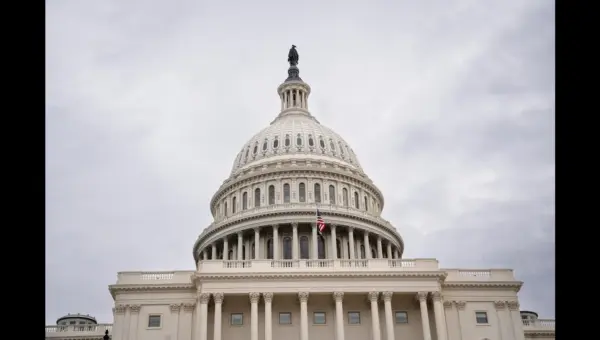
Congress returns to a nation grappling with a prolonged government shutdown and heightened international tensions. Lawmakers face pressure to fund agencies, pass key legislation, and address military readiness amid global competition. The coming weeks will test their ability to navigate these complex challenges.
Congress Faces War, Shutdown as Iran Conflict Cools
Congress returns to a nation grappling with a lengthy government shutdown and heightened geopolitical tensions following recent conflict with Iran. Lawmakers face pressure to fund agencies, pass key legislation, and address national security concerns, including global competition with China.
Trump’s Health Questioned: Experts Raise Alarm
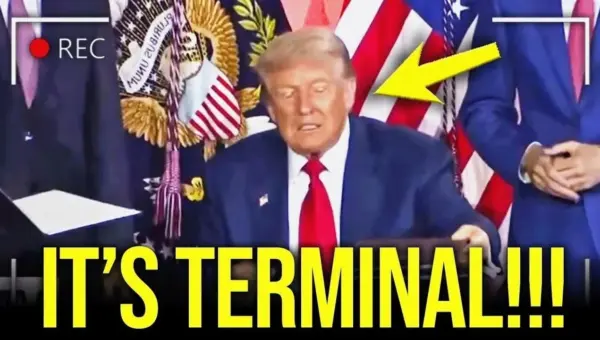
Concerns about Donald Trump's cognitive state are growing, with former officials and even some supporters raising alarms. Discussions now include the potential use of the 25th Amendment and calls for formal cognitive assessments, citing erratic public statements and contradictory remarks. Experts and family members worry about his fitness for office and the potential risks to national security.