Trump’s Mail-In Voting Order Faces Legal Challenges
President Trump signed an executive order aimed at tightening mail-in voting rules, directing the creation of a list of eligible U.S. citizen voters. Experts like David Becker question the order's legality and impact, noting existing security measures and states' rights in election policy. Several states, including Oregon and Arizona, are preparing legal challenges, anticipating the order will be blocked by courts.

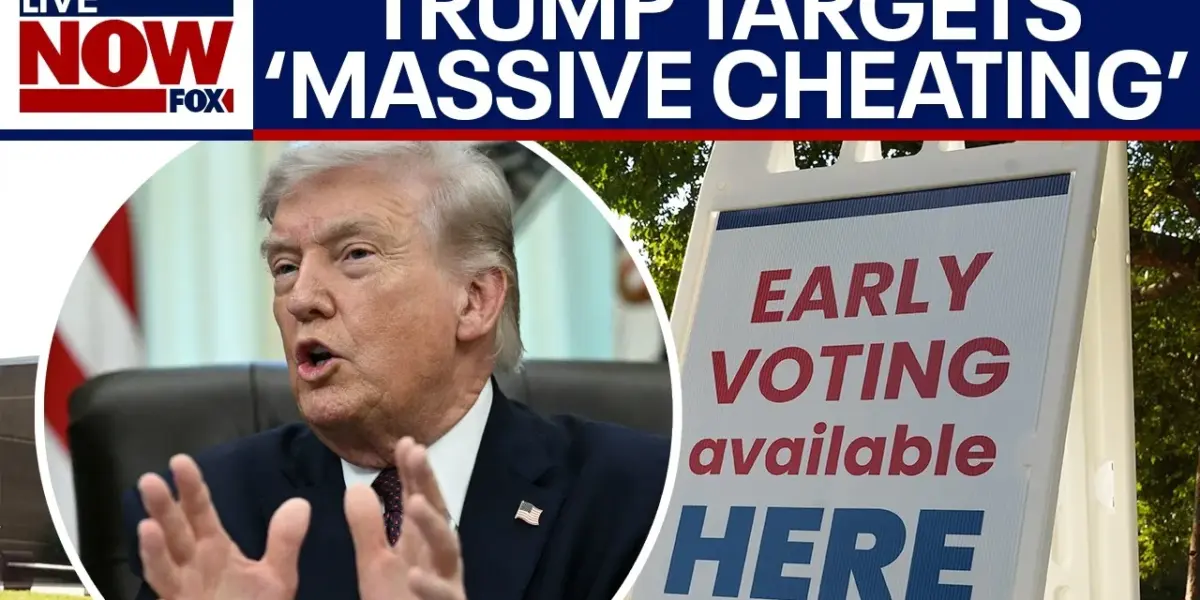
President Signs Executive Order on Voting Integrity
President Donald Trump signed an executive order earlier today aimed at strengthening rules for mail-in voting across the nation. The order directs his administration to compile a list of U.S. citizens eligible to vote in each state. Following this, the U.S. Postal Service would reportedly only be permitted to send mail-in ballots to voters whose names appear on this official list.
Expert Questions Order’s Impact and Legality
David Becker, executive director of the Center for Election and Innovation and Research, expressed significant doubts about the executive order’s effectiveness and legality. Becker explained that the current mail-in voting system in the United States is already very secure, with a history spanning over 150 years. He highlighted that every state has established procedures for handling mail ballots, regardless of whether they primarily use mail voting, like many Western states, or have fewer mail ballots, like some Eastern states.
Current Security Measures for Mail-In Ballots
Becker detailed the existing safeguards in place for mail-in voting:
- Voter Registration Verification: Federal law requires all voters to provide identification, such as a driver’s license number or Social Security number, when registering. Alternatively, new voters must show ID when voting in person for the first time.
- Ballot Request Confirmation: When a voter requests a mail-in ballot, whether automatically sent or specifically requested, their eligibility is confirmed against the voter list. This ensures they are allowed to receive a ballot and that it is sent to the correct address.
- Ballot Return Verification: Upon returning a mail-in ballot, a voter’s identity is checked a second time. This often involves signature matching or verifying driver’s license numbers.
Becker pointed out that President Trump himself has used mail-in voting, choosing to vote by mail in Florida, a state with robust mail-in voting protections, despite being physically present and able to vote in person.
States Prepare Legal Challenges
The Associated Press reported that election officials in Oregon and Arizona are already planning legal challenges to the new executive order. Becker predicted that this order will face widespread opposition from many states and legal experts, anticipating swift blockades by federal courts.
“The president of the United States does not have the power to change vote election policy in the states… unless Congress passes a law because the framers wrote the elections clause into the constitution which says only the state legislators or Congress can set election policy.”
He emphasized that the U.S. Constitution grants election policy authority solely to state legislators or Congress. Becker warned against any president, regardless of party, wielding such power to dictate who can and cannot vote in state elections without congressional approval. He recalled a similar executive order from about a year prior that was blocked by three federal courts, suggesting the president has not learned from past legal setbacks.
Historical Context of Mail-In Voting and Political Rhetoric
Becker addressed President Trump’s long-standing criticism of mail-in voting, particularly since his 2020 election loss. He noted that, until the 2020 election, mail-in voting was generally evenly split between parties. In fact, Republican state legislators in some Western states had previously supported mail-in voting, believing it might benefit older or rural voters, who were often Republican.
However, Becker explained that President Trump’s 2020 campaign of disinformation about mail-in voting led to a shift. Many Republicans began to avoid mail-in voting, even as the President continued to use it. He observed a partial correction in 2024, with the Trump campaign now encouraging voters to use mail-in options. Becker stressed that all voting methods—mail-in, early in-person, and Election Day—are secure and verifiable.
“When candidates lose an election, it’s not because of the types of ballots that they have. It’s because they haven’t persuaded enough voters.”
Future of Voting Systems and Election Security
Regarding the upcoming November elections, Becker stated definitively that it is too late to change voting systems. He asserted that current voting systems are more secure and verifiable than ever before, largely due to the widespread use of paper ballots in nearly every state. Louisiana is noted as the only state currently trying to transition to paper ballots.
These paper ballots allow for audits where hand counts are compared against machine counts, ensuring accuracy. Becker cited the example of a very close primary election in North Carolina, where a state legislative leader conceded after exhausting legal options, demonstrating the confirmability of election outcomes even in tight races. This process ensures that voters can be confident in the security and accuracy of election results.
Source: Trump signs order on mail-in voting integrity, introduces barcode tracking on ballots (YouTube)

Related Articles
Trump Attacks Mail-In Voting Ahead of Midterms
President Trump has signed an executive order aiming to restrict mail-in voting by creating verified citizen lists for ballot distribution. This move comes as Democrats continue to win special elections, signaling potential voter dissatisfaction with Republican strategies. Critics fear the order could disenfranchise millions and echoes broader concerns about citizenship and voting access.
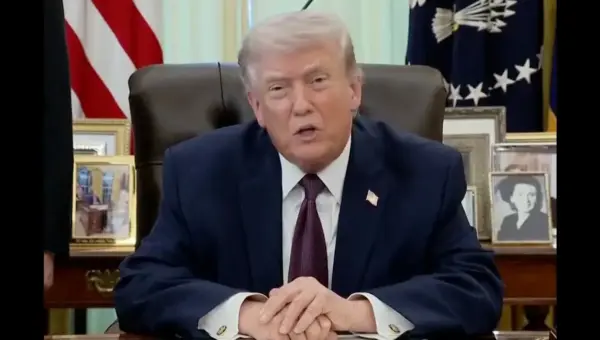
Trump’s Mail-In Ballot Ban Sparks Crisis
Donald Trump's announcement to ban mail-in voting has been labeled a "constitutional crisis" by legal experts. The move faces immediate legal challenges and raises concerns about election integrity and voter access.

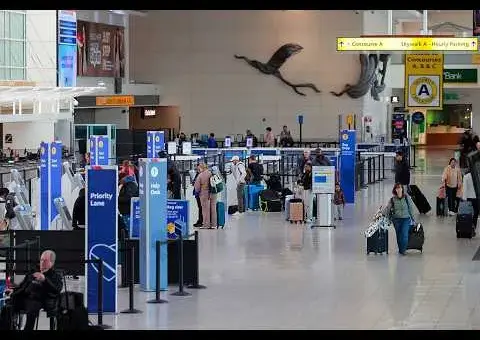
Trump’s Paycheck Fix Solves TSA Crisis, But Not the Root Cause
President Trump's executive order provided much-needed back pay for TSA officers during the government shutdown, easing airport lines. However, this fix is temporary, failing to address the deeper political deadlock in Congress over government funding. The crisis highlights the vulnerability of federal workers and raises questions about the future of airport security.