Trump’s Mail-In Ballot Hypocrisy Fuels Election Integrity Debate
Donald Trump's consistent criticism of mail-in ballots clashes with his own use of them, creating a significant point of hypocrisy. This piece examines the contradiction, the data on voter fraud, and the political implications of this debate.

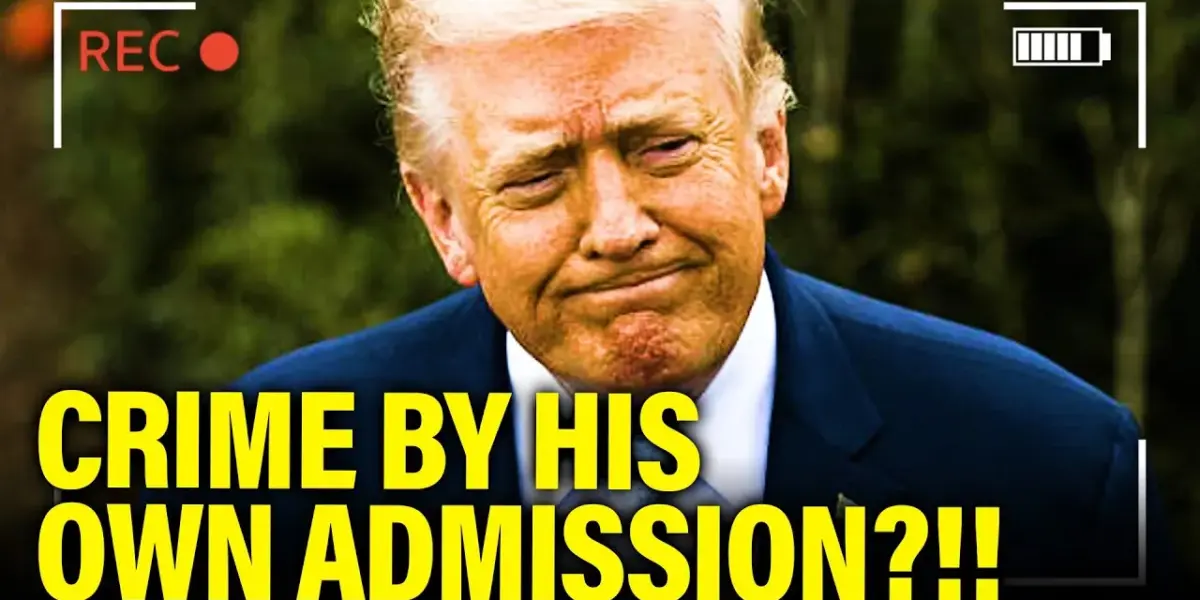
Trump’s Mail-In Ballot Hypocrisy Fuels Election Integrity Debate
Donald Trump has repeatedly called mail-in ballots “crooked” and a tool for “cheating.” However, he himself recently used a mail-in ballot to vote in Florida. This action highlights a significant contradiction in his stance on election security.
The Mail-In Ballot Controversy
Trump has been a vocal critic of mail-in voting, often linking it to widespread fraud. He has pushed for stricter voting laws, including proof of citizenship and voter ID. These efforts are often framed as necessary to prevent “rampant cheating” in elections. He has argued that only those who want to cheat would oppose such measures.
Despite his strong words against mail-in ballots, records show that Trump cast his vote by mail in a recent Florida election. This is not the first time he has used this voting method. While he has been registered in Florida since 2019, his public statements often paint mail-in voting as inherently flawed and untrustworthy.
Examining the Numbers on Voter Fraud
Experts and data suggest that widespread voter fraud is extremely rare. For example, in Georgia’s 2020 election, out of millions of votes cast, only eight fraudulent ballots were identified. This small number is far from enough to change the outcome of an election. It is important to note that when fraud does occur, there are legal processes in place to address it, involving prosecutors and investigators.
The argument that mail-in voting should be eliminated due to the minuscule risk of fraud is challenged by its convenience and accessibility. Many people rely on mail-in ballots due to illness, disability, travel, or simply to avoid long lines at polling stations. Eliminating this option could disenfranchise millions of eligible voters.
Political Maneuvering and the SAVE Act
Trump’s push for stricter voting laws, like the proposed SAVE Act, goes beyond just voter ID. It seeks to mandate proof of citizenship, which can be difficult for some citizens to obtain, especially those who have changed their names or lack passports. This requirement could create barriers for many voters.
The timing and context of these proposals are also notable. Some critics suggest that these efforts are linked to broader political strategies. For instance, the push for a government shutdown and delays at airports have been presented as ways to draw attention to these issues. The idea is to create public pressure for the SAVE Act to pass, even though it faces significant opposition and is unlikely to pass the Senate.
“It’s this kind of hypocrisy that just, you know, we can’t let it go.”
Why This Matters
The contradiction between Donald Trump’s rhetoric and his actions on mail-in voting raises serious questions about his commitment to election integrity. It suggests a selective approach to voting rules, where personal convenience is prioritized over stated principles. This hypocrisy can erode public trust in the electoral process.
Furthermore, the intense focus on mail-in voting distracts from the larger goal of ensuring all eligible citizens can cast their vote easily and securely. When prominent figures engage in such public displays of inconsistency, it can confuse voters and deepen political divisions. It also highlights the importance of independent journalism in pointing out these discrepancies and providing factual analysis.
Implications and Future Outlook
The debate over mail-in voting is likely to continue. Trump’s actions and statements will probably remain a focal point in discussions about election laws. His supporters may overlook the hypocrisy, while opponents will use it to criticize his approach to governance.
The push for stricter voting laws, driven by concerns about fraud, could lead to new legislative battles. The effectiveness and fairness of such laws will be a subject of ongoing debate. It is crucial for these discussions to be based on facts rather than political rhetoric. The future of voting access in America will depend on finding a balance between security and accessibility.
Historical Context
Concerns about election integrity are not new. Throughout American history, debates over voting rights and election security have been common. Early elections were often plagued by fraud and manipulation. Over time, laws and systems have been put in place to make elections more secure and accessible.
The rise of mail-in voting gained significant traction during the COVID-19 pandemic as a way to allow people to vote safely. This also brought mail-in voting to the forefront of political debate. Donald Trump’s presidency saw a marked increase in his criticism of mail-in ballots, especially leading up to and following the 2020 election.
The legal and political challenges surrounding voting methods continue to evolve. Understanding the history of these debates helps to contextualize the current discussions about election security and the role of mail-in ballots.
Source: Trump WALKS RIGHT into His OWN FRAUD TRAP (YouTube)

Related Articles


Trump Derails Bipartisan Deal, Halts Government Funding
Senate Republicans united on a funding bill for the Department of Homeland Security, but Donald Trump's opposition led House Speaker Mike Johnson to kill the deal. This political maneuver left TSA workers unpaid and highlighted the influence of personal directives over legislative progress.
Saudi Prince Pushes Trump Toward Iran War Escalation
Saudi Crown Prince Mohammed bin Salman is reportedly urging President Trump to escalate attacks on Iran, pushing for strikes on its energy infrastructure. This strategy would likely harm ordinary Iranians while benefiting Saudi economic interests and the U.S. military-industrial complex. The situation highlights concerns over foreign influence on U.S. foreign policy and the human cost of conflict.


US Military Aims Achievable, Iran Political Future ‘Fuzzy,’ Says Ex-Advisor
Former Trump advisor Joel Rayburn stated that while US military objectives in Iran are achievable, the political outcome remains uncertain. Rayburn noted that Iran's regime is under immense pressure and could be nearing collapse. The potential closure of the Strait of Hormuz remains a key concern, with military assets being deployed to ensure its openness.